Connect with us

Community

History of the Haverstraw Waterfront: From Brickyards to Riverfront Destination

Published

on

Today, families stroll along the Haverstraw waterfront, enjoy panoramic views of the Hudson River, dine at waterfront restaurants, and gather at parks that overlook one of the widest stretches of the river.

But for more than a century, this shoreline looked—and sounded—very different.

Long before it became a destination for recreation and tourism, the Haverstraw waterfront was one of America’s busiest industrial corridors, earning the village an international reputation as the “Brickmaking Capital of the World.”

A River That Built a Community

Haverstraw’s history has always been tied to the Hudson River.

In 1609, English explorer Henry Hudson, sailing for the Dutch East India Company, anchored in what is now Haverstraw Bay during his exploration of the river that would eventually bear his name. The broad bay offered a natural harbor and later became an important transportation route for commerce and settlement.

The name “Haverstraw” first appeared on Dutch maps in 1616 as Haverstroo, meaning “oat straw,” a reference to the grasses that lined the riverbanks.

The Clay That Built New York City

The discovery of rich yellow and blue clay deposits along the Hudson transformed Haverstraw forever.

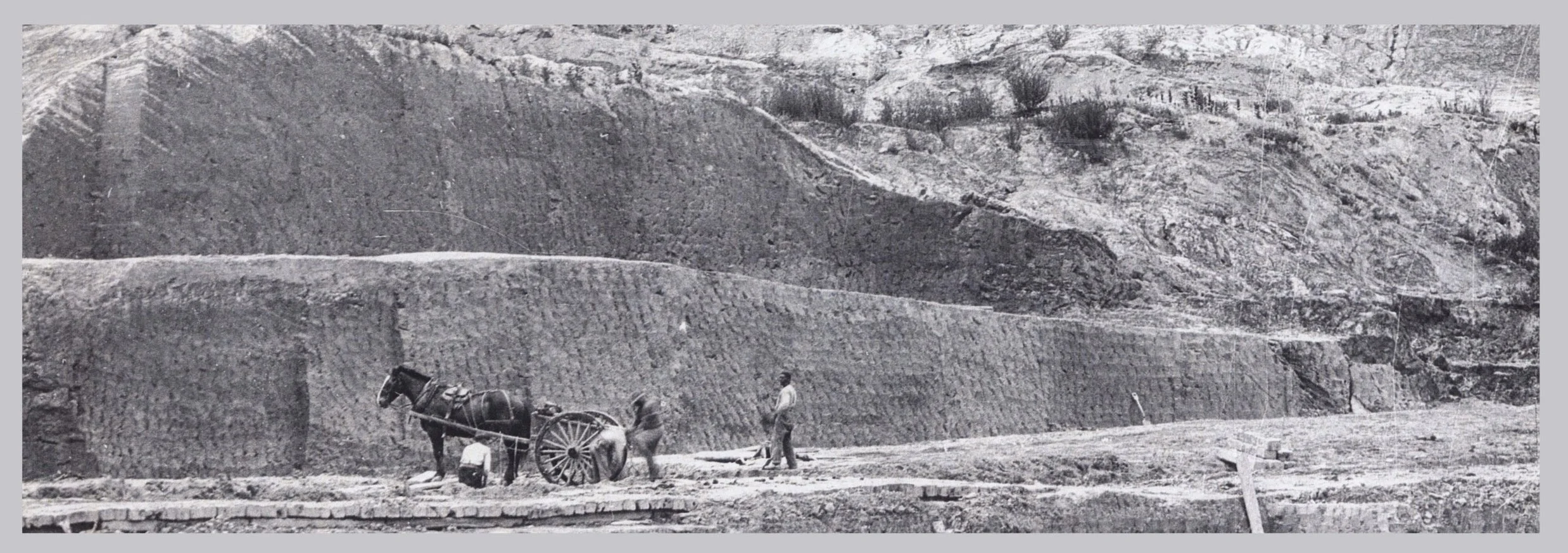
Brickmaking began in the late 18th century, but the industry exploded after James Wood established the first commercial brickyard in 1815. Over the following decades, dozens of brick manufacturers lined the waterfront.

By 1883:

  • More than 40 brick yards operated along the Hudson.
  • Approximately 2,400 workers were employed.
  • More than 300 million bricks were produced annually.

Many of those bricks were shipped by barge to New York City, where they helped construct homes, schools, factories, churches, and iconic brownstone neighborhoods throughout Manhattan and Brooklyn. Historians estimate that at one time, more than two-thirds of New York City’s buildings were constructed using Haverstraw brick.

Life Along the Waterfront

The waterfront was a hive of activity.

Steamships arrived daily to transport bricks, agricultural products, and passengers. Freight docks bustled with workers loading barges bound for New York City, while smoke rose from the massive brick kilns lining the shoreline.

The industry attracted immigrants from Ireland, Italy, Eastern Europe, and other parts of the world, helping shape the diverse community that still defines Haverstraw today. Entire neighborhoods grew around the brickyards, and many families depended on the industry for generations.

Tragedy Strikes

The success of the brick industry came at a cost.

Years of excavating clay beneath steep hillsides weakened the land surrounding the village. On January 8, 1906, disaster struck when a massive landslide buried part of Haverstraw’s business district.

Nineteen people lost their lives, dozens of buildings were destroyed, and the tragedy remains one of the deadliest natural disasters in Rockland County’s history. The collapse was directly linked to years of clay mining beneath the village.

The End of an Era

By the 1930s, the Great Depression, increased competition, and the introduction of new construction materials led to a steady decline in brick manufacturing.

The last Haverstraw brickyard closed in 1941, ending an industry that had defined the waterfront for more than 100 years.

A New Beginning

For decades after the brickyards closed, much of the waterfront sat underused as former industrial properties awaited new life.

Beginning in the late 20th century, local leaders launched a long-term effort to reclaim the shoreline through environmental cleanup, planning, and redevelopment. State and local waterfront revitalization initiatives helped transform former industrial land into public spaces, housing, marinas, and recreational areas.

Today, the Haverstraw waterfront features:

  • Scenic riverwalks
  • Public parks and green space
  • Marinas
  • Restaurants
  • Residential developments
  • Community events overlooking the Hudson River

The transformation has turned an industrial shoreline into one of Rockland County’s most popular riverfront destinations.

Preserving the Past

Although the brick kilns are gone, Haverstraw’s industrial legacy remains visible.

The Haverstraw Brick Museum preserves artifacts, photographs, and stories from the community’s brickmaking era, ensuring future generations understand how the Hudson River shaped both the village and New York City.

Walking along the waterfront today, it’s easy to admire the sweeping river views. But beneath the parks and promenades lies the foundation of a community whose clay, craftsmanship, and hardworking residents helped build one of the world’s greatest cities.

Detail Photo of Haverstraw Clay Bank, Circa 1905, Dan DeNoyelles Collection, ©Haverstraw Brick Museum Archives

Continue Reading
Advertisement
Click to comment

Leave a Reply

Your email address will not be published. Required fields are marked *

Community

Take the Haverstraw–Ossining Ferry to This Hidden Greenway

Published

on

Looking for a relaxing weekend adventure without the hassle of traffic? The Haverstraw–Ossining Weekend Ferry offers the perfect opportunity to explore both sides of the Hudson River.

The 15-minute ferry ride connects Haverstraw and Ossining, making it easy to enjoy waterfront dining, scenic walking trails, and local shops—all without ever getting behind the wheel.

Start with Lunch on the Waterfront

After arriving in Ossining, grab lunch at one of the restaurants just steps from the ferry terminal. Popular waterfront options include 3 Westerly and The Boathouse, both offering beautiful Hudson River views.

Discover the Sing Sing Kill Greenway

After lunch, take a leisurely walk to one of Westchester County’s hidden gems—the Sing Sing Kill Greenway.

Getting there is easy:

  • Walk up Main Street toward downtown Ossining.
  • Turn left onto Broadway.
  • Continue to the Joseph G. Caputo Community Center at 95 Broadway.
  • The Greenway entrance is located beside the lower parking lot.

The walk is approximately 0.9 miles (about 20 minutes) from the ferry terminal.

Once there, visitors can enjoy:

  • A peaceful paved trail winding through a dramatic rock gorge.
  • A rushing stream surrounded by mature woodland.
  • Spectacular views of the historic Double Arch Bridge, which carried the original 1842 Old Croton Aqueduct across the gorge.
  • Plenty of opportunities for photography and nature watching.

End the Day Downtown

Before heading back to Haverstraw, spend some time exploring downtown Ossining. Stop for an ice cream, enjoy a cup of coffee, or relax with a craft beer before catching the return ferry across the Hudson.

It’s an easy day trip that combines great food, beautiful scenery, local history, and outdoor recreation—all without worrying about traffic or parking.

The Haverstraw–Ossining Weekend Ferry operates Saturdays and Sundays through October 31, with service from 11 a.m. to 9 p.m.

For ferry schedules and fares, visit: https://tinyurl.com/haverstraw-ossining-2026

For more information about the Sing Sing Kill Greenway, visit: https://www.inossining.com/parks/sing-sing-kill-greenway/

Continue Reading

Community

Today in Rockland History: Stories That Shaped the County

Published

on

Every community has moments in its history that deserve to be remembered—some for their charm, others for their significance, and a few because they remind us how much society has changed.

This week in Rockland County history offers a glimpse into life 150 years ago, a celebration of unexpected good fortune, and one of the county’s most unsettling chapters.

Summer Days in Rockland – 1875

A look through the pages of the Rockland County Journal from July 1875 reveals a very different way of life.

Residents were encouraged to head into the countryside for huckleberry picking, one of the area’s favorite summer traditions. Excursion boats carried passengers to Iona Island for just 50 cents, offering a day of recreation along the Hudson River.

The newspaper also reported on local concerns that still sound familiar today. Officials dealt with complaints about dogs running loose during a rabies scare, while local police arrested a transient who was later released after agreeing to leave town. Editorial pages even poked fun at the latest fashion trends, proving that debates over style are nothing new.

These snapshots provide a fascinating window into everyday life in Rockland County 150 years ago.

A Dark Chapter – July 1925

Not every story from Rockland’s past is one of celebration.

In late July 1925, newspapers reported that the Ku Klux Klan planned a large public carnival and parade in the Tallman and Suffern area. Advertisements for the event were even dropped from an airplane over Nyack—a publicity tactic that reflected the organization’s efforts to expand its influence during the 1920s.

Although many people associate the Ku Klux Klan with the American South, the organization maintained an active presence throughout New York and much of the Northeast during that era. Public rallies, parades, and recruitment events were designed to normalize the Klan’s message of intolerance and division.

Today, the event stands as an important reminder that hatred and discrimination have touched communities across the nation, including Rockland County. Remembering these moments helps preserve an honest account of local history while highlighting the progress communities continue to make toward inclusion and equality.

A Lucky Ticket – 1975

History also includes moments of joy.

Fifty years ago this week, West Nyack residents William and Alice Ebner became New York State Lottery finalists after purchasing a winning ticket at Hogan’s Diner.

The couple’s good fortune earned them a spot on the state lottery television program hosted by Monty Hall. Rather than discussing extravagant purchases, they joked about getting an unlisted phone number to avoid unwanted attention and said they hoped to donate part of their winnings to charity.

Their story captured the excitement surrounding New York’s early lottery years and remains a memorable moment in Rockland County history.

Why Local History Matters

From quiet summer outings and neighborhood celebrations to difficult chapters that challenge us to reflect, Rockland County’s history tells the story of a community that has continually evolved.

Looking back at these events not only preserves the past but also helps residents better understand the people, places, and moments that shaped the county we know today.

As Rockland continues to grow, these stories remind us that history isn’t just found in textbooks—it’s woven into the streets, neighborhoods, and communities we call home.

Continue Reading

Trending