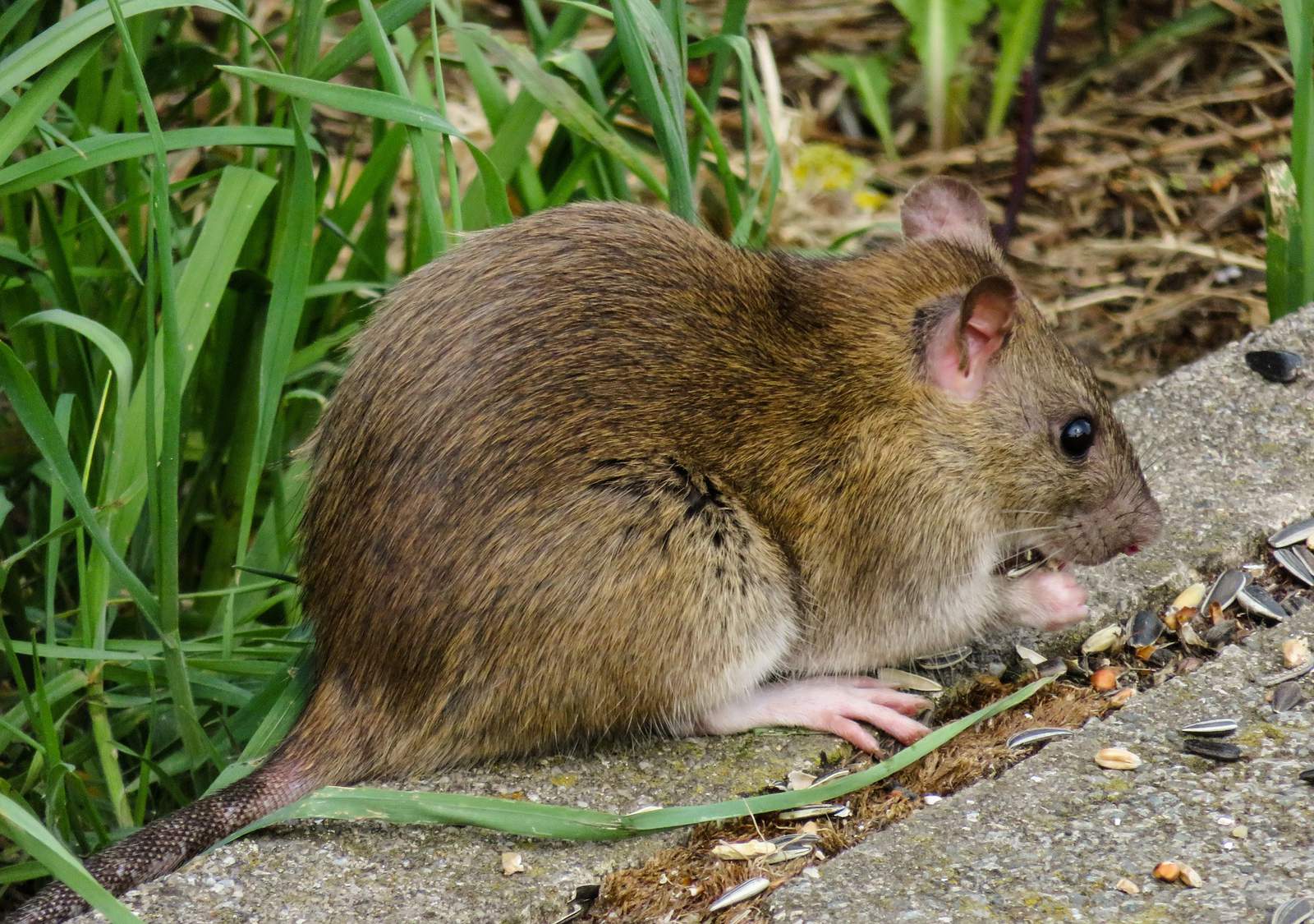
NEW CITY, NY, – Rockland County Executive Ed Day and County Health Commissioner Dr. Patricia Schnabel Ruppert alert residents of increased rodent activity due to the recent COVID-19 restaurant and business closures. The temporary shutdown has caused an increasing need for rodents such as rats to become more aggressive in their behavior and find alternative food sources, which has led to an increase in rodent incidents in residential neighborhoods.
“While there is no evidence that rodents can be infected with COVID-19 or spread it to humans, they are still a public health risk and increase your risk of being exposed to diseases. Rodents prefer to feed in and around homes, restaurants, and businesses. But they will settle for scraps from trash bags and cans, private yards, and what they find in the community. The best way to prevent a rodent infestation and contact with rodents is to remove the food sources, water, and items that provide shelter for rodents,” said Dr. Ruppert.
What can residents do to prevent rodents from invading their homes and properties? It’s up to everyone to work together to help control this issue. Residents should follow these three recommendations from the Centers for Disease Control and Prevention (CDC):
Seal Up! Seal up any holes inside and outside your home to prevent rodents from entering:·
Mice can squeeze through a hole the size of a nickel, and rats can squeeze through a hole the size of a half-dollar! Prevent rodents from entering the home by checking inside and outside the house for gaps or holes.·
Fill small holes with steel wool. Put caulk around the steel wool to keep it in place. Use lath screen or lath Metal (lath means any type of backing material for plaster), cement, hardware cloth, or metal sheeting to fix large holes. These materials can be found at your local hardware store.
Trap Up! Trap rodents around your home to help reduce the rodent population:·
Choose an appropriate snap trap. It is not recommended to use glue traps or live traps as they can increase the risk of spreading disease. Traps for catching mice are different from those for catching rats. Carefully read the instructions before setting the trap. When setting the trap, place a small amount of peanut butter (approximately the size of a pea) on the bait pan of the snap trap.·
Position the bait end of the trap next to the wall, so it forms a “T” with the wall. Rodents prefer to run next to walls or other objects for safety and do not like being out in the open.·
In attics, basements, and crawlspaces and other areas that do not have regular human traffic, set traps in any area where there is evidence of frequent rodent activity.·
If a rodent infestation does occur, consider calling a professional exterminator.
Clean Up! Eliminate possible rodent food sources and nesting sites:·
Keep food in thick plastic or metal containers with tight lids. Clean up spilled food right away and wash dishes and cooking utensils soon after use.·
Keep outside cooking areas and grills clean.
Always put pet food away after use and do not leave pet-food or water bowls out overnight.
Keep bird feeders away from the house and utilize squirrel guards to limit access to the feeder by squirrels and other rodents.·
Keep compost bins as far away from the house as possible (100 feet or more is best).
Keep grains and animal feed in thick plastic or metal containers with tight lids. In the evening, uneaten animal feed should be returned to containers with lids.
Use a thick plastic or metal outside garbage can with a tight lid. Regularly wash the inside of trash cans as rodents are attracted to smells. If storing trash and food waste inside the home, do so in rodent-proof containers, and frequently clean them with soap and water. Dispose of trash and garbage on a frequent and regular basis and pick up or eliminate clutter.
Eliminate possible nesting sites outside the home. Elevate hay, woodpiles, and garbage cans at least 1 foot off the ground. Move woodpiles far away from the house (100 feet or more is best). Get rid of old trucks, cars, and old tires that mice and rats could use as homes. Keep grass cut short and shrubbery within 100 feet of the home well-trimmed.