Connect with us

Government

Rockland Wildlife Rescue & Rehabilitation Warns of Backyard Netting Dangers to Local Wildlife

Published

on

Rockland County, NY — Sports nets, garden netting, and discarded mesh materials are becoming an increasing hazard for local wildlife. From songbirds and birds of prey to small mammals, animals can easily become entangled in these materials, often resulting in injury, prolonged distress, or death.

Just weeks ago, a groundhog was discovered trapped in a backyard soccer net in Rockland County. Fortunately, the incident ended safely thanks to swift action, homeowner cooperation, and expert guidance from local wildlife advocate Andres. However, many animals caught in similar situations are not as lucky.

Simple Precautions Can Make a Big Difference

Local wildlife experts are urging residents to take preventive measures to help reduce the risk of entanglement:

  • Remove soccer nets, volleyball nets, and other recreational mesh when not in use

  • Secure garden or construction netting to prevent wildlife from becoming trapped

  • If netting must remain outside, inspect it regularly, especially in the early morning and evening

These small steps can prevent unnecessary suffering and even save lives.

As suburban development continues to encroach on natural habitats, human actions—both harmful and helpful—play an increasingly vital role in the survival of native wildlife.

Raising Awareness, Protecting Wildlife

Wildlife conservation groups emphasize that prevention is the most effective solution. By staying mindful of common household items like nets and mesh, Rockland County residents can help ensure the safety and well-being of local animals.

For more information on how to protect wildlife or to report an animal in distress, residents can contact RocklandWildlife.org @RocklandWildlife   845-558-7931

Continue Reading
Advertisement

Government

Rockland County Promotes Native Plants and Water-Smart Landscaping

Published

on

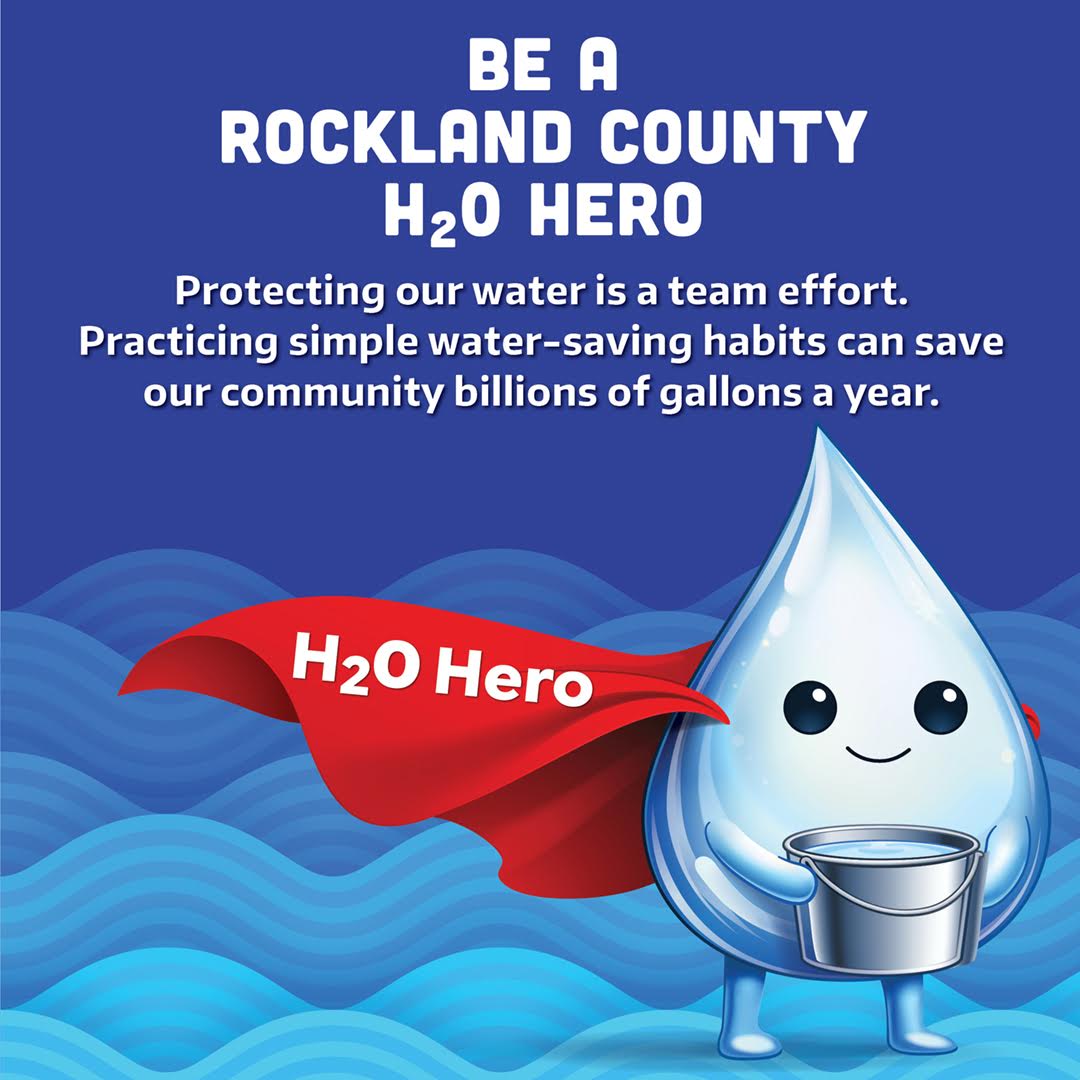
The Water Advisory Council is encouraging residents to embrace water-smart landscaping practices that conserve water and support environmental health.

Officials recommend reducing nonfunctional lawn areas and replacing them with native plants, drought-tolerant landscaping, rain gardens, bioswales, and rain barrels. These practices help reduce water consumption, manage stormwater runoff, improve groundwater recharge, and increase resilience to climate change.

According to the Council, water demand in Rockland County rises from an average of 30 million gallons per day to as much as 45 million gallons per day during the warmer months, placing additional strain on local water supplies.

Residents are encouraged to consider native plants such as Creeping Phlox, Foamflower ‘Elizabeth Oliver,’ and Jacob’s Ladder, which require less watering once established and are well-suited to local conditions.

Examples of successful rain gardens featuring native plants can be found at Orangeburg Library, Bowline Point Park, Kennedy Dells County Park, and Piermont Library.

By replacing sections of lawn with native plants and incorporating features that manage rainwater naturally, residents can play a direct role in protecting Rockland County’s water resources.

The initiative is part of the county’s ongoing effort to promote sustainable landscaping and encourage participation in the national “Less Lawn More Life” movement.

Continue Reading

Government

Rockland Conservation & Service Corps Stream Team Helps Prevent Flooding and Protect Waterways

Published

on

Members of the Rockland Conservation & Service Corps are helping protect local communities through their work with the Rockland County Drainage Agency, inspecting and assessing streams throughout Rockland County.

The Corps’ Stream Team identifies obstructions such as fallen trees, debris, and sediment buildup that can restrict water flow and contribute to flooding during heavy storms. Members also document illicit discharges, erosion issues, and areas in need of sediment remediation.

The information collected helps county officials address potential problems before they become larger environmental or public safety concerns.

In addition to reducing flood risks, the Stream Team’s work supports water quality and helps maintain healthy ecosystems throughout the county. By monitoring local waterways and identifying issues early, the team plays an important role in protecting Rockland County’s natural resources and strengthening community resilience.

Officials say the partnership highlights the importance of proactive environmental stewardship and ongoing efforts to keep Rockland County’s streams healthy, safe, and flowing properly.

Continue Reading

Trending