Connect with us

Police/Fire/EMS

Stony Point Police Warn Parents About ATV and Dirt Bike Safety

Published

on

The Stony Point Police Department is reminding parents, guardians and young riders about the dangers and legal consequences of operating ATVs, dirt bikes and off-road mini-bikes on public roads.

Police say they have again seen an increase in juveniles, teenagers and young adults operating these types of vehicles on area roadways.

According to the department, riding ATVs, dirt bikes and off-road mini-bikes on public roads is illegal and can create serious safety risks for both riders and other motorists. The vehicles can be difficult for drivers to see and generally provide little protection for riders in a collision with a car or truck.

Police are urging parents and guardians to speak with their children about the risks associated with riding these vehicles on public roadways, as well as the potential consequences.

Operators may face summonses, fines and vehicle impoundment.

“Please don’t wait for a tragedy to have this conversation,” the department said in its safety reminder.

Police are asking residents to help keep young riders, motorists and pedestrians safe by discouraging the use of ATVs, dirt bikes and off-road mini-bikes on public roadways.

Questions about the regulations or safety concerns can be directed to the Stony Point Police Department at 845-786-2422.

ATVs, dirt bikes and off-road mini-bikes do not belong on public roadways, police said.

Continue Reading
Advertisement
Click to comment

Leave a Reply

Your email address will not be published. Required fields are marked *

Police/Fire/EMS

Become a Volunteer Firefighter in Rockland County: Answer the Call

Published

on

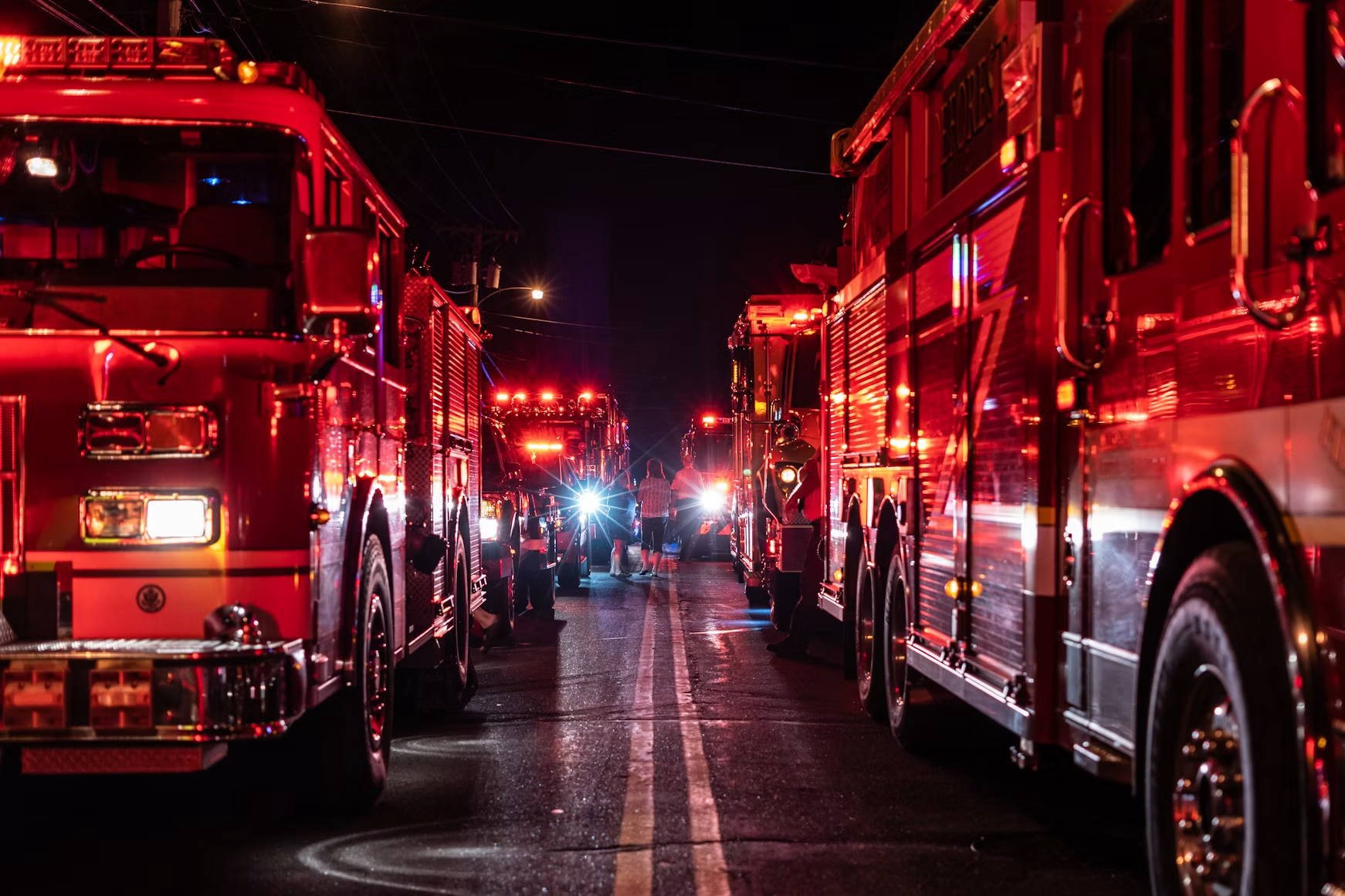
When a fire alarm sounds in Rockland County, every second matters.

Behind the flashing lights and sirens are members of local fire departments—neighbors, friends, co-workers and community members who have chosen to volunteer their time to help protect the people and places around them.

For residents looking for a meaningful way to give back to their community, becoming a volunteer firefighter can offer something few other volunteer opportunities can: the chance to make a direct difference when someone needs help most.

You Don’t Have to Be a Professional Firefighter to Start

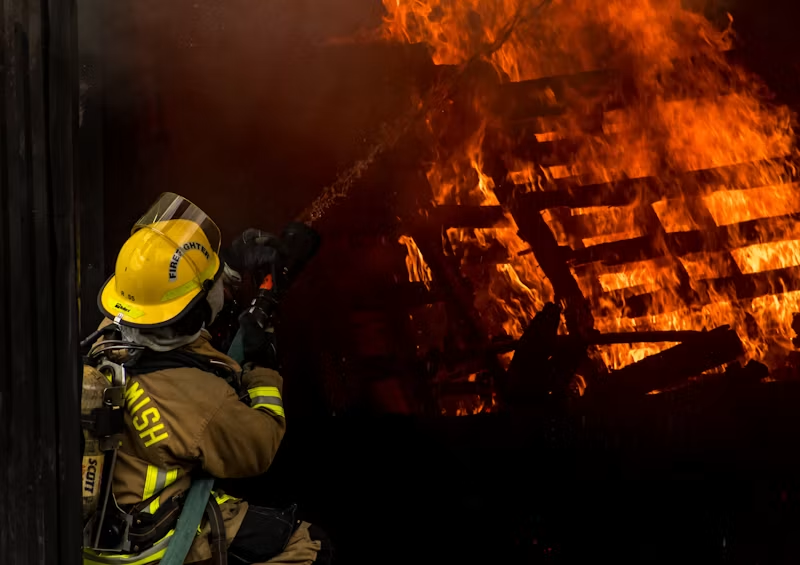
One of the biggest misconceptions about volunteering is that applicants need to arrive with firefighting experience. Volunteer fire departments provide training to members, allowing newcomers to learn the skills necessary to serve safely and effectively.

Depending on the department and role, training can include fire suppression, emergency response, first aid, rescue operations, equipment use and other specialized skills.

Volunteers can also find roles beyond fighting fires. Fire departments rely on members for emergency medical response, communications, fundraising, community education, equipment support, administrative work and other important responsibilities.

Make a Difference Close to Home

Volunteer firefighters aren’t strangers coming into the community—they are part of it.

They respond when neighbors need assistance, help educate families about fire prevention and participate in community events throughout the year.

For many volunteers, that sense of purpose is one of the most rewarding parts of the experience.

Whether responding to a house fire, helping at a motor vehicle accident or assisting during another emergency, volunteers know that their time and training can have a direct impact on someone’s life.

Build Skills That Last a Lifetime

Volunteering can also provide valuable personal and professional development.

Members learn how to work as part of a team, communicate under pressure, solve problems and make decisions in challenging situations. Training can introduce volunteers to emergency response, leadership and technical skills that can be useful both inside and outside the firehouse.

Young adults can also gain experience working with others and serving their community while developing a stronger understanding of responsibility and leadership.

Find Your Place in the Firehouse

Not everyone joins for the same reason, and not everyone serves in exactly the same way.

Some volunteers are drawn to emergency response. Others enjoy working with equipment, organizing community events, teaching fire safety or supporting their department behind the scenes.

That means there may be a place for people with a wide range of interests, abilities and schedules.

Prospective members can contact their local fire department to learn about eligibility requirements, training, time commitments and available opportunities.

It’s About More Than Fighting Fires

Volunteer fire departments are part of the fabric of communities across Rockland County. They provide emergency services while also bringing residents together through fundraisers, fire prevention programs, community events and public education.

Joining a department can be a way to meet people, develop lifelong friendships and become more connected to the community.

And perhaps most importantly, it is an opportunity to be there for someone on what could be the worst day of their life.

Rockland County Needs You

Every community needs people willing to step forward.

You don’t need to be a firefighter today to become one. You simply need the willingness to learn, train and serve.

If you’ve ever wondered what it would be like to volunteer, contact your local fire department and ask about membership. Find out what training is required, what roles are available and how you can get involved.

For someone looking for a way to turn their time into something meaningful, volunteering with a local fire department could be the call worth answering.

Your neighbors may never know your name when you arrive—but they’ll remember that someone came when they needed help.

Continue Reading

Police/Fire/EMS

Fire Prevention Week 2026: Tips to Keep Your Family Safe

Published

on

October 4–10 marks Fire Prevention Week, an annual observance that encourages families and communities to take a closer look at fire safety and make sure they are prepared before an emergency happens.

Fire can spread quickly, and smoke can make it difficult to see or breathe within minutes. The U.S. Fire Administration warns that residents may have less than two minutes to escape a home fire once a smoke alarm sounds, making preparation and a practiced escape plan especially important.

Fire Prevention Week is a good opportunity to check smoke alarms, review escape routes and talk with family members about what to do if a fire starts.

Check Your Smoke Alarms

Working smoke alarms are one of the most important pieces of home fire protection. Residents should make sure alarms are properly installed and functioning throughout the home.

Families should also make sure everyone knows what the alarm sounds like and understands that when it goes off, they need to leave immediately.

Create and Practice a Fire Escape Plan

The U.S. Fire Administration recommends creating a home fire escape plan that includes two ways out of every room, when possible.

Families should identify doors and windows that can be used as exits, make sure escape routes are not blocked and select an outdoor meeting place a safe distance from the home.

Once the plan is established, practice it with everyone in the household. Children, older adults and anyone who may need additional assistance should be included in the planning.

If a fire occurs, get outside and stay outside. Do not return to a burning home.

Take a Look Around the Kitchen

Cooking is one of the areas where fire prevention deserves particular attention. Keep anything that can burn away from the stove and never leave cooking unattended.

Residents should also pay attention to electrical appliances and cords. Damaged cords, overloaded outlets and improper use of extension cords can create fire hazards.

Prepare for the Heating Season

With colder weather approaching, Fire Prevention Week is also a good time to prepare heating equipment.

The U.S. Fire Administration notes that space heaters are a leading cause of home heating fires. Portable heaters should be kept at least three feet away from anything that can burn, including furniture, bedding, curtains and other household materials.

Fireplaces and wood stoves should also be inspected and maintained before regular use. Residents should follow manufacturer instructions and local fire-safety requirements.

Don’t Forget Batteries

As homes increasingly rely on rechargeable devices, battery safety is another important part of fire prevention.

The U.S. Fire Administration recommends using the charger supplied by the manufacturer, avoiding overloaded outlets and plugging charging devices directly into an outlet rather than into extension cords or multi-plug adapters.

Talk With Children About Fire Safety

Fire Prevention Week is also an opportunity to teach children what to do in an emergency.

Children should know two ways out of their home and understand that matches, lighters and candles are not toys. Families can practice staying low when encountering smoke and reinforce the importance of getting outside and staying outside during a fire.

Make Fire Safety a Year-Round Habit

While Fire Prevention Week provides an annual reminder, fire safety should be part of everyday life. Checking alarms, keeping exits clear, practicing an escape plan and addressing potential hazards can help households be better prepared.

The U.S. Fire Administration provides free fire-prevention resources covering home fires, cooking, heating, electrical hazards, batteries, outdoor fires and other safety concerns.

This Fire Prevention Week, take a few minutes to look around your home, review your family’s escape plan and make sure everyone knows what to do if the smoke alarm sounds. A little preparation can make a critical difference when every second counts.

Continue Reading

Trending