Connect with us

Government

BACK-TO-SCHOOL BUS SAFETY

Published

on

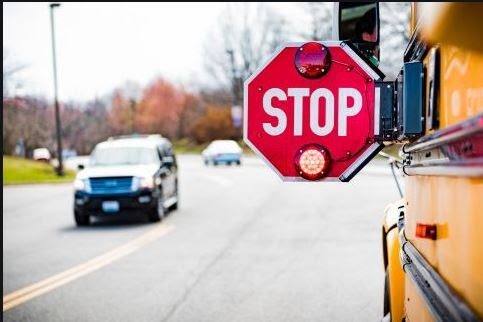
NEW CITY, NY, – It’s time to get ready for the new school year and time to think about school bus safety. Every day in New York State, an estimated 50,000 drivers illegally pass stopped school buses, putting the lives and safety of children at risk.

To make the roads safer for our children, Rockland County has partnered with the company BusPatrol to launch a violator-funded business model allowing districts to equip school buses with cameras on the bus stop-arms at no-cost. Six school districts have officially opted into the Rockland County School Bus Safety program including Pearl River, Nanuet, North Rockland, Clarkstown, Suffern, and Nyack. Drivers caught by those cameras illegally passing activated stop-arms on school buses will then be issued the following penalties by mail: 1st Violation $250, 2nd Violation $275, and 3rd Violation $300 (within an 18-month period).

“Never pass a stopped school bus with its red lights flashing – this means that students are getting on or off the bus. Traffic approaching from either direction must stop before reaching the bus. Not only will you make the roads much safer for our students, but you will avoid a hefty fine. Remember, too, that yellow lights mean the bus is going to stop, so slow down! We all have a responsibility to make sure students make it to and from school safely,” said County Executive Ed Day.

The Rockland County Department of Health reminds all drivers and students to follow these additional school bus safety tips from the New York State Governor’s Traffic Safety Committee and the National Highway Traffic Safety Administration:

School bus safety tips for drivers:

  • Be alert and watch for children walking in the street, especially if there are no sidewalks in the neighborhood. Look for children at bus stops, those running to bus stops, and children who cross in front of the bus when the bus is stopped. Children arriving late for the bus may dart into the street without looking for traffic.
  • School buses make frequent stops and typically travel at slower speeds. Be patient, slow down, and be prepared to stop for them. School buses must stop at railroad crossings by law, so be ready to stop at railroad crossings if driving behind a school bus.
  • Be distraction-free. Never use electronic devices while driving; actively focus on the road and your surroundings.

School bus safety tips for students:

  • Arrive at the bus stop at least five minutes before the bus arrives. Wait for the bus at least ten feet, five giant steps, away from the curb. The bus stop is not a place to run or play.
  • When the school bus arrives, wait until it comes to a complete stop, the door opens, and the driver says it’s okay to get on. Use the handrails to avoid falling.
  • When getting off the bus, take five giant steps straight out the bus door and out of the danger zone (areas around buses where the driver can’t see you). Make sure you make eye contact with the driver and wait for the driver to signal you before you cross in front of the bus. Never walk behind a school bus or bend down near or under the bus. Don’t go back for anything you have left on the bus.
  • Listen to your bus driver in case there are any special instructions for your bus ride. Be sure to sit quietly in your seat and limit distractions.

For more information about school bus safety, visit the Governor’s Traffic Safety Committee website https://trafficsafety.ny.gov/tips-motorists-and-students, the New York State Department of Motor Vehicles website https://dmv.ny.gov/more-info/school-bus-safety, and the National Highway Traffic Safety Administration website www.nhtsa.gov/road-safety/school-bus-safety.

Continue Reading
Advertisement

Government

Domestic Violence Can Take Many Forms — Here’s Where to Get Help

Published

on

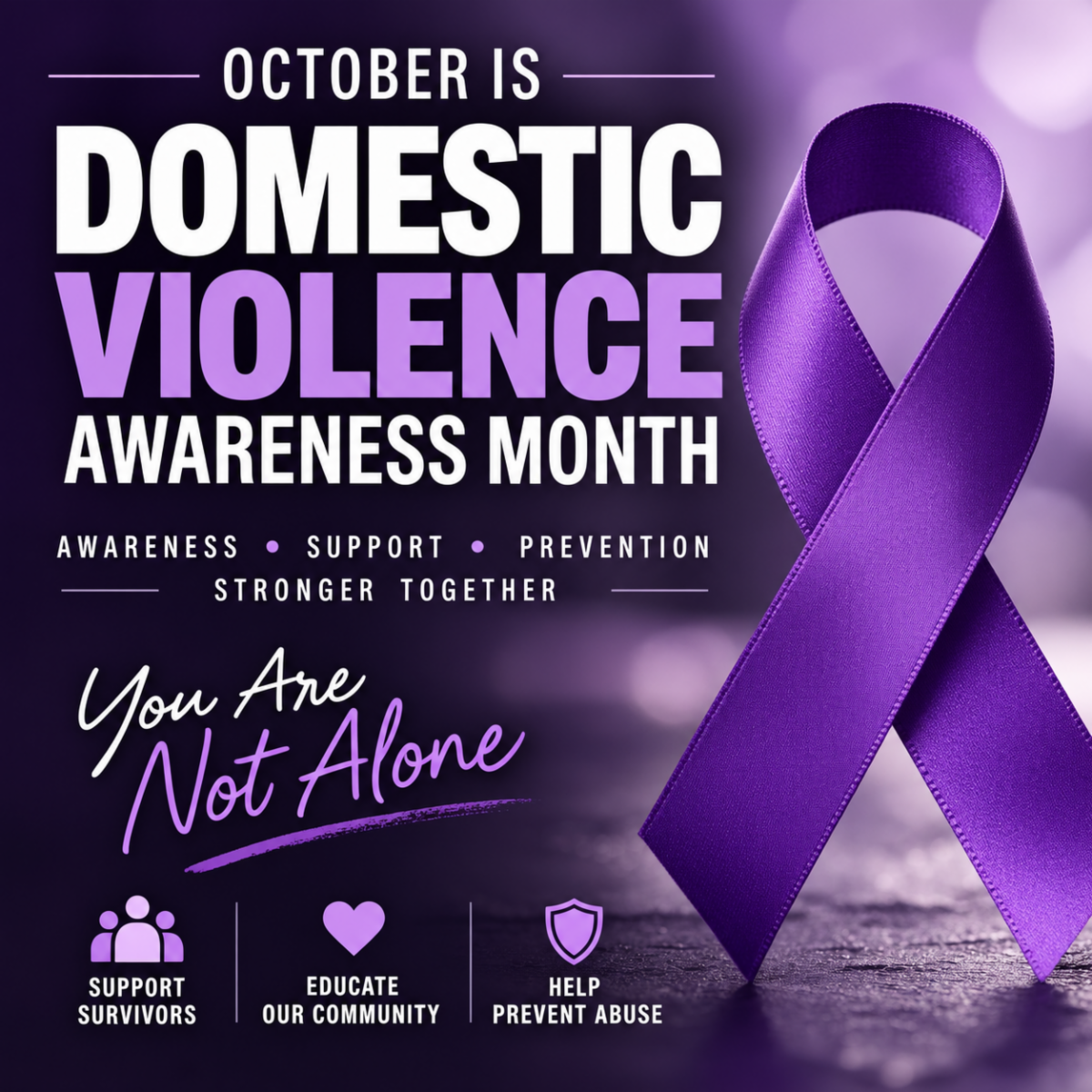
Domestic Violence Can Take Many Forms: Resources Are Available

Domestic violence is not limited to physical or sexual abuse. It can also include psychological and emotional abuse, threats, intimidation, manipulation, and economic coercion.

Abusers may use a variety of tactics to frighten, manipulate, isolate, blame or harm victims as a way of maintaining power and control.

If you or someone you know is experiencing domestic violence or abuse, help is available. You are not alone.

If you are in immediate danger, call 911.

Domestic Violence Resources

Rockland County Center for Safety and Change
Hotline: 845-634-3344
Website: centerforsafetyandchange.org

The Center for Safety and Change provides support and resources for individuals and families affected by domestic violence and other forms of abuse.

New York State Office for the Prevention of Domestic Violence
Hotline: 1-800-942-6906
Website: opdv.ny.gov

The New York State Office for the Prevention of Domestic Violence provides information, assistance and resources related to domestic violence throughout New York.

National Domestic Violence Hotline
Hotline: 1-800-799-SAFE (7233)
Website: thehotline.org

The National Domestic Violence Hotline provides confidential support, information and resources for people experiencing domestic violence, as well as friends and family members seeking guidance.

If you or someone you know is being abused, reaching out for help can be an important first step. If there is an immediate threat to your safety, call 911.

Continue Reading

Government

Rockland County Residents Urged to Check for Water Leaks

Published

on

A simple home water audit can help residents find hidden leaks, reduce water waste and lower household utility bills.

ROCKLAND COUNTY, NY — The Rockland County Water Advisory Council is encouraging residents to conduct a simple home water audit to identify hidden leaks, improve water efficiency, reduce utility costs and help protect the county’s long-term water resources.

While homeowners often focus on conserving water outdoors during the summer, indoor water use can account for a significant portion of a household’s overall water consumption. Small leaks, aging plumbing fixtures and inefficient appliances can waste thousands of gallons of water each year without being noticed.

A home water audit can help residents identify where water is being wasted and find opportunities to conserve.

Four Simple Ways to Check Your Home

The Water Advisory Council recommends that residents start by:

  • Checking the water meter: Make sure no water is being used in the home, then check the meter. Movement may indicate a hidden leak.
  • Testing toilets for leaks: Use dye tablets to check for silent toilet leaks that may otherwise go unnoticed.
  • Upgrading plumbing fixtures: Consider replacing older fixtures with WaterSense®-labeled products, which are designed to use less water while maintaining performance.
  • Inspecting irrigation systems: Check outdoor irrigation equipment for leaks, broken sprinkler heads and other problems that can waste hundreds of gallons of water during the summer.

Free Water Conservation Resources Available

Rockland County residents can also access resources designed to make water conservation easier.

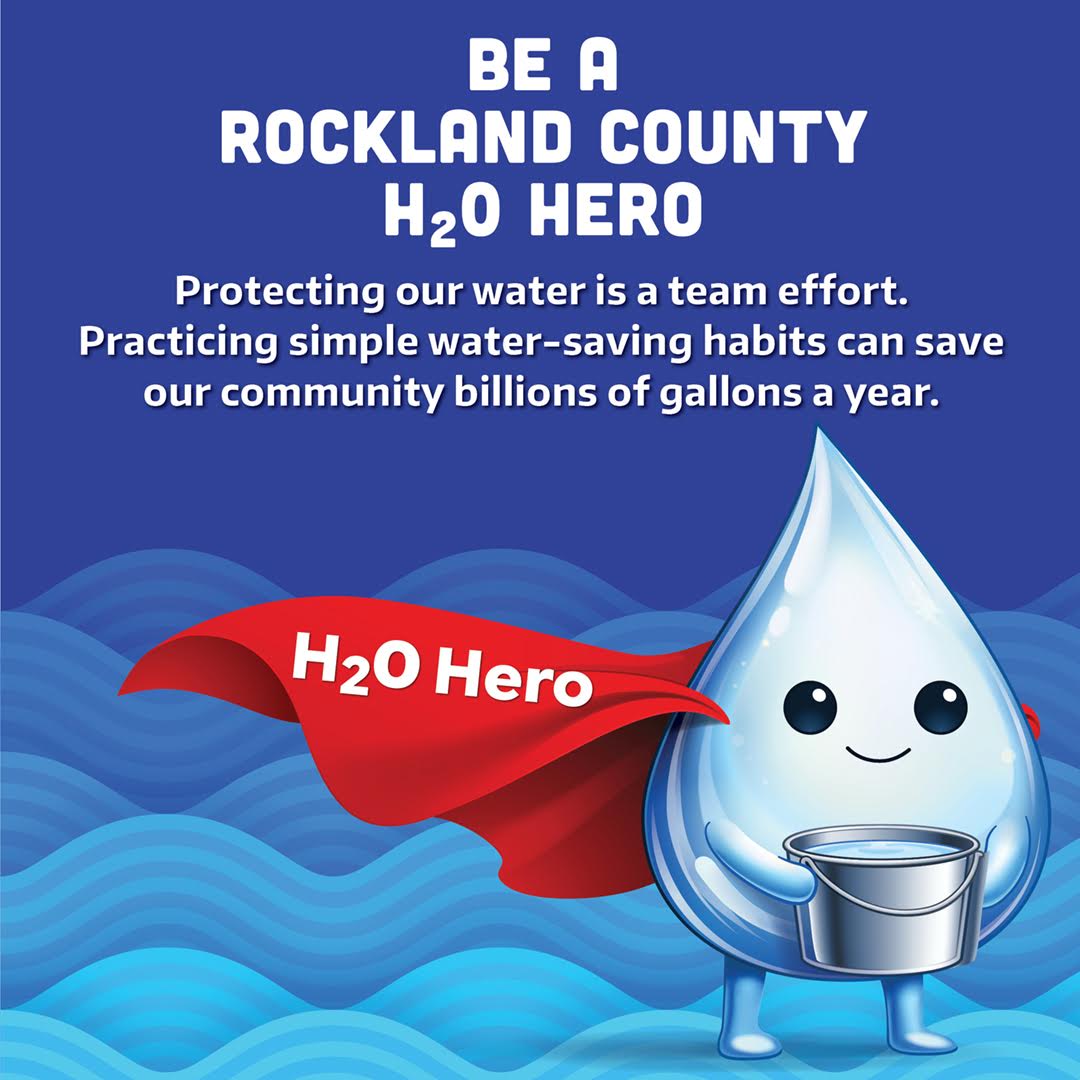
Residents can visit EPA WaterSense for information about saving water at home and use educational materials available through the Rockland County Water Hero program.

Rebates are also available through Veolia for qualifying WaterSense® products. Eligible products may include select toilets, showerheads, clothes washers, irrigation controllers and rain barrels.

The Water Advisory Council is also offering free water conservation tools, including:

  • Shower timers
  • Toilet leak-detection tablets
  • Moisture meters

Supplies are limited. Residents can pick up the tools at the Water Advisory Council office, find them at community events, or request them by signing up to become an H2O Hero through the Rockland Water Hero program. Visit Rockland Water Hero

The Rockland County Water Conservation Project is funded by the New York State Department of Environmental Conservation.

Continue Reading

Trending