Connect with us

Events

VIDEO: Congers VMA Memorial Day Parade

Published

on

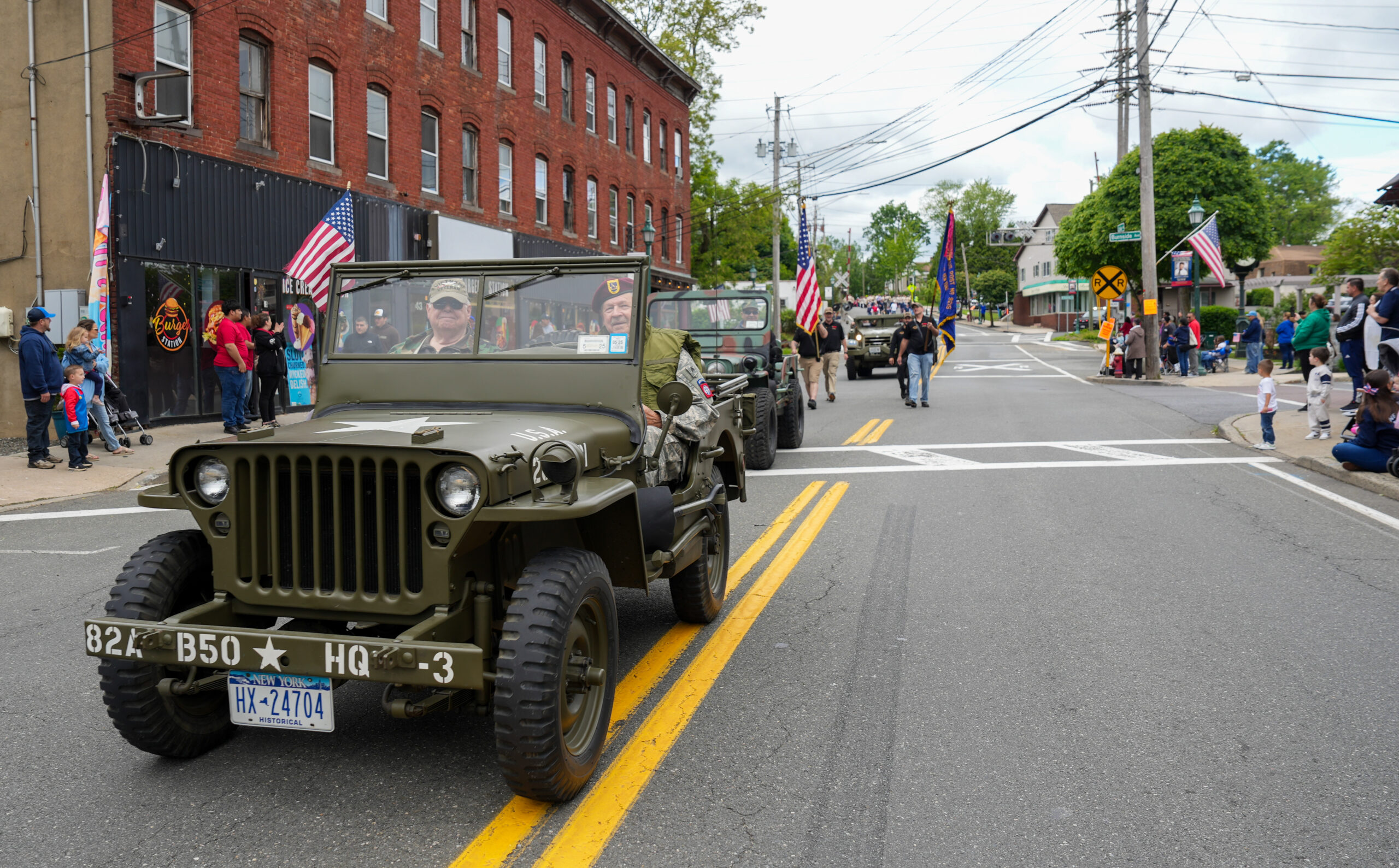
CONGERS, NY – Patriotism, remembrance, and community spirit were on full display this past weekend at the Congers VMA Memorial Day Parade, a cherished annual tradition in the Town of Clarkstown. Residents, veterans, local officials, and marching bands came together to honor America’s fallen heroes. Town of Clarkstown George Hoehmann was joined by Rockland County Executive Ed Day, State Senator Bill Weber, Rockland County Sheriff Lou Falco, Rockland County Clerk Donna Silberman, Rockland County Legislator William Kennelly, Town of Clarkstown Town Clerk Lauren Marie Wohl, and a representative from Congressman Lawler’s office.

The parade, organized by the Veterans Memorial Association of Congers, featured alineup of local fire departments, scout troops, civic organizations, Clarkstown marching band, and more. Community members lined the streets waving flags and cheering on participants as they marched proudly through the hamlet of Congers.

🎥 Watch the Video below:

Town of Clarkstown Supervisor George Hoehmann expressed gratitude to everyone involved in making the parade a success. “The Congers VMA Memorial Day Parade is a powerful reminder of the importance of community and the sacrifices made by our servicemen and women,” he said. “I thank the VMA, our veterans, and all the volunteers who helped honor their legacy with such dignity.”

As Memorial Day reminds Americans of the high cost of freedom, events like the Congers VMA Parade play a crucial role in fostering unity and reflection. The Town of Clarkstown remains committed to supporting veterans and hosting meaningful commemorative events throughout the year.

Continue Reading
Advertisement

Events

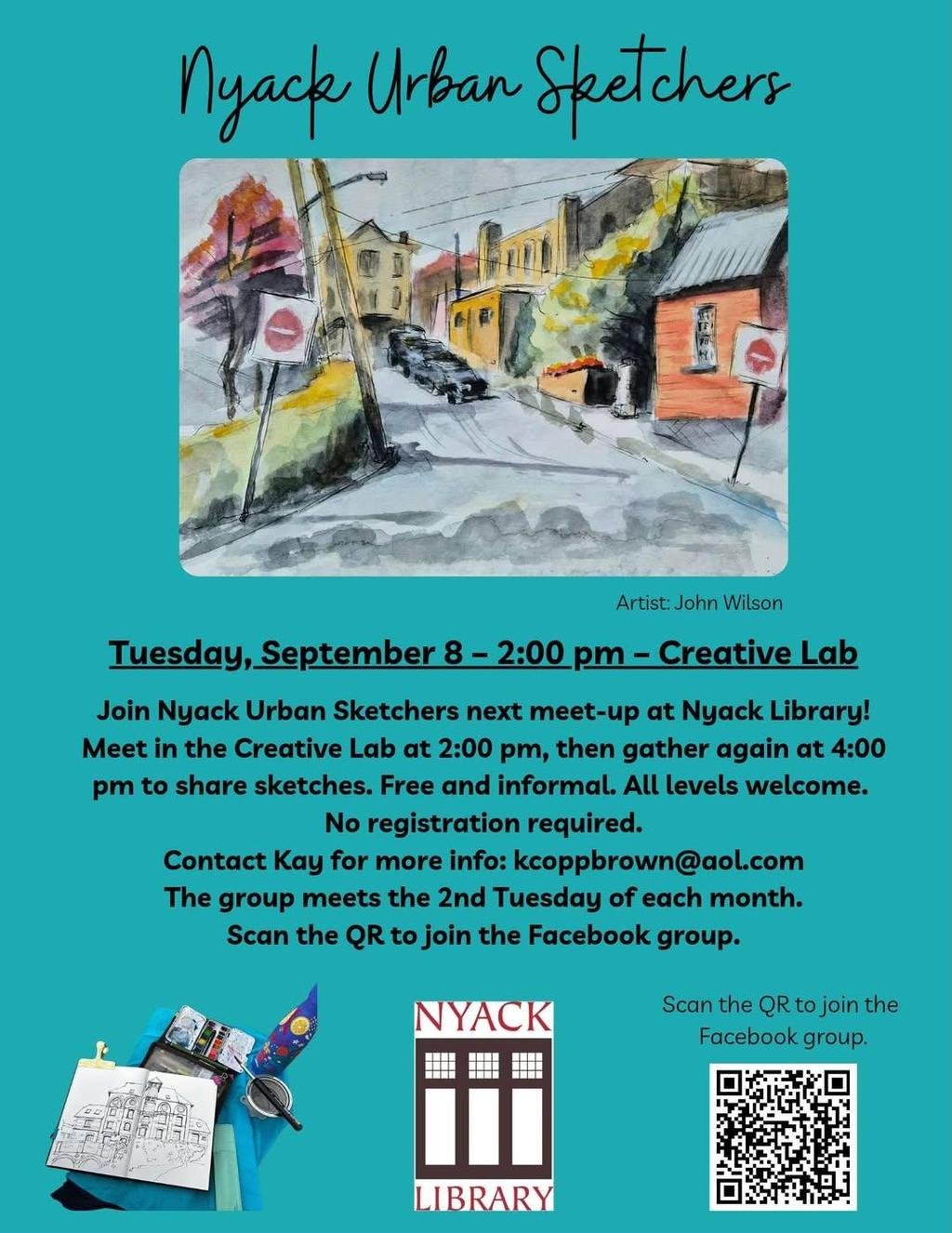
Major John André Trial Reenactment Returns to Original Revolutionary War Site in Tappan

Published

on

History enthusiasts will have a unique opportunity to step back into the American Revolution as the trial of Major John André is reenacted at the original location where the proceedings took place more than 245 years ago in Tappan.

In September 1780, André, a British Army officer and intelligence chief under General Sir Henry Clinton, was captured while carrying documents connected to Benedict Arnold’s plot to surrender West Point to British forces. His arrest led to one of the most significant espionage trials of the Revolutionary War.

The military tribunal was convened in Tappan, then part of Orange County and now located in Rockland County, under the authority of General George Washington. A board of senior Continental Army officers reviewed the evidence against André and ultimately determined that he had acted as a spy while operating behind American lines.

The reenactment will bring these historic proceedings to life, offering visitors a firsthand look at the courtroom drama, legal arguments, and difficult decisions that shaped one of the Revolution’s most studied cases. Organizers aim to recreate the event with historical accuracy, drawing from period records and firsthand accounts.

Following the trial, André was convicted and executed in Tappan on October 2, 1780. His case remains a defining episode in Revolutionary War history and is closely linked to Benedict Arnold’s betrayal, one of the most infamous acts of treason in American history.

By returning the trial to its original setting, the reenactment provides a rare opportunity for visitors to experience history in the very place where it unfolded, deepening the connection between the past and present for history buffs, educators, students, and the public alike.

Registration Fee: $15.00  

Register for the event on Eventbrite:   Eventbrite Registration Page


Continue Reading

Events

Chippewas of Kettle and Stony Point to Host 55th Annual Pow Wow on July 11-12th

Published

on

STONY POINT, N.Y. — Long before the Revolutionary War, the Battle of Stony Point, or the arrival of Dutch and English settlers, the lands along the Hudson River in present-day Stony Point were home to Native American communities who lived, hunted, fished, and traded throughout the region.

While some local stories and family traditions reference “Chippewa” ancestry, historians note that the Indigenous peoples who primarily inhabited the lower Hudson Valley, including present-day Rockland County, were Algonquian-speaking tribes, particularly the Munsee Lenape, a branch of the larger Lenape (Delaware) Nation. Early colonial records indicate that European settlers acquired land in the area from local Indigenous groups centuries before the establishment of the Town of Stony Point.

The Hudson River served as a vital transportation route and source of food for Native communities for thousands of years. Archaeological evidence throughout the lower Hudson Valley has revealed Native American settlements, campsites, and trade networks that predate European contact by centuries.

Today, Stony Point is perhaps best known for its Revolutionary War history, including the 1779 Battle of Stony Point and the strategic King’s Ferry crossing, but Indigenous history remains an important part of the area’s story.

It is important to note that the well-known Chippewas of Kettle and Stony Point First Nation is a distinct Ojibwe (Chippewa) First Nation community located in Ontario, Canada, near Lake Huron. Despite sharing the name “Stony Point,” that community is not connected to the Town of Stony Point in Rockland County, New York. The Canadian First Nation traces its history to the Anishinaabe people of the Great Lakes region and has its own unique cultural heritage and history.

As interest in local history continues to grow, historians encourage residents to recognize the Indigenous peoples who first called the Hudson Valley home and to learn more about the Native cultures that helped shape the region long before the founding of modern-day Rockland County.

Continue Reading

Trending