Connect with us

Community

Why a Will May Not Control Everything in Your Estate

Published

on

Hand writing "My Last Will" with pen.

Having a will is an important part of estate planning, but it does not necessarily determine what happens to every asset after someone dies.

Many people assume that once a will is legally signed, it becomes the controlling document for distributing their entire estate. However, estate planning can be more complicated than that.

Certain financial accounts, property ownership arrangements, and legal designations may determine how specific assets are transferred, sometimes independently of the instructions outlined in a will.

Here are five important documents and arrangements that can affect an estate:

1. Beneficiary Designations

Life insurance policies, retirement accounts, and certain financial assets typically pass to the individuals named on their beneficiary designation forms. These designations may take precedence over instructions in a will.

2. Joint Ownership Agreements

How property or financial accounts are jointly owned can determine whether ownership automatically transfers to a surviving co-owner after death.

3. Transfer-on-Death (TOD) Designations and Deeds

Depending on state law and the type of asset, Transfer-on-Death arrangements can allow certain assets or real estate to pass directly to designated beneficiaries without going through probate.

4. Power of Attorney Documents

A power of attorney authorizes another person to make financial or legal decisions on someone’s behalf while they are alive and the document remains effective. Generally, this authority terminates upon the individual’s death.

5. Handwritten Notes and Personal Instructions

Personal letters, handwritten wishes, and informal notes may communicate someone’s intentions to family members. However, they generally do not replace legally valid estate-planning documents.

Estate Planning Requires More Than Just a Will

An effective estate plan involves ensuring that all relevant documents and arrangements work together.

This may include:

  • Beneficiary designation forms
  • Property deeds and ownership titles
  • Bank and financial account ownership records
  • Powers of attorney
  • Healthcare directives
  • Wills and, where appropriate, trusts

When these documents are inconsistent or outdated, families may encounter unexpected complications, disagreements, or delays during the estate administration process.

The Bottom Line

A will is an essential estate-planning tool, but it may not control every asset or decision. Reviewing beneficiary designations, property titles, account ownership, and other legal documents regularly can help reduce confusion and ensure that an estate plan reflects a person’s current wishes.

Disclaimer: This article is for general educational purposes only and does not constitute legal advice. Estate-planning laws, probate requirements, and the effect of individual documents vary by state and asset type. Consult a qualified estate-planning attorney for guidance regarding your specific circumstances.

Continue Reading
Advertisement
Click to comment

Leave a Reply

Your email address will not be published. Required fields are marked *

Community

NFPA Shares Thanksgiving Cooking Safety Tips to Prevent Fires

Published

on

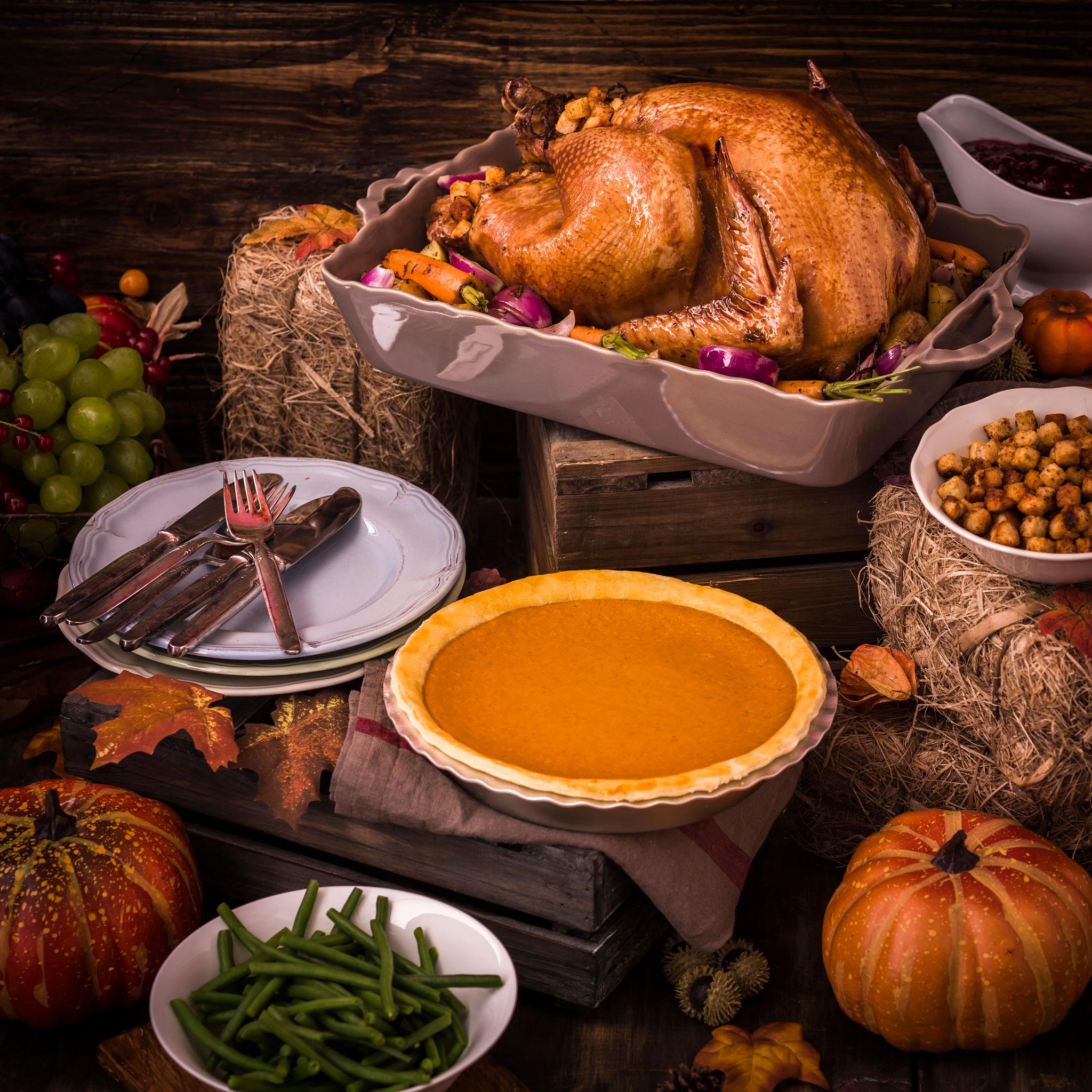
As families across Rockland County prepare to celebrate Thanksgiving, fire safety officials are reminding residents to take precautions in the kitchen to help prevent fires and keep loved ones safe during the holiday.

The National Fire Protection Association (NFPA) offers several important cooking safety tips to reduce the risk of kitchen fires and other holiday-related accidents.

Stay Alert While Cooking

Never leave food unattended on the stovetop. Stay in the kitchen when frying, boiling, grilling, or broiling food. If you need to leave, turn off the burner. When using the oven, remain home and check food regularly.

Keep Children and Pets Away

Establish a three-foot safety zone around hot stoves, ovens, and other cooking equipment. Keep children and pets away from these areas. Matches and lighters should also be stored out of children’s reach.

Know How to Handle a Grease Fire

Keep a lid or baking sheet nearby when cooking. If a small grease fire starts in a pan, carefully slide a lid over it and turn off the burner. Leave the pan covered until it has completely cooled.

Never attempt to put out a grease fire with water or flour. If the fire spreads or cannot be safely contained, get everyone outside and call 911.

Take Precautions When Using Turkey Fryers

Outdoor gas turkey fryers should be placed on a flat, stable surface, away from homes, garages, and wooden decks. Follow the manufacturer’s instructions, use the proper amount of oil, and monitor the temperature to prevent overheating.

Keep children and pets at a safe distance from the fryer at all times.

Test Your Smoke Alarms Before Thanksgiving

Before preparing your holiday meal, make sure your smoke alarms are working properly. Test alarms monthly and replace them every 10 years, or sooner if necessary.

Working smoke alarms can provide valuable time for you and your family to escape safely if a fire breaks out.

Residents can find additional Thanksgiving cooking and fire prevention information through the National Fire Protection Association.

Continue Reading

Community

Rockland County Photographer Captures Plane Crossing Bright Moon

Published

on

An incredible capture by Rockland County photographer Owey Cramsie Jr. as a plane passes directly in front of last nights bright moon, creating a stunning shot over Haverstraw and Stony Point.

Another amazing moment captured through the lens of a local photographer!

Continue Reading

Trending