Connect with us

Business

Why Fall Is the Best Time to Add Lime to Your Garden Soil

Published

on

While “adding some lime” may sound like a recipe for a margarita, gardeners in the Northeast know lime can be an important tool for improving soil and preparing gardens for spring.

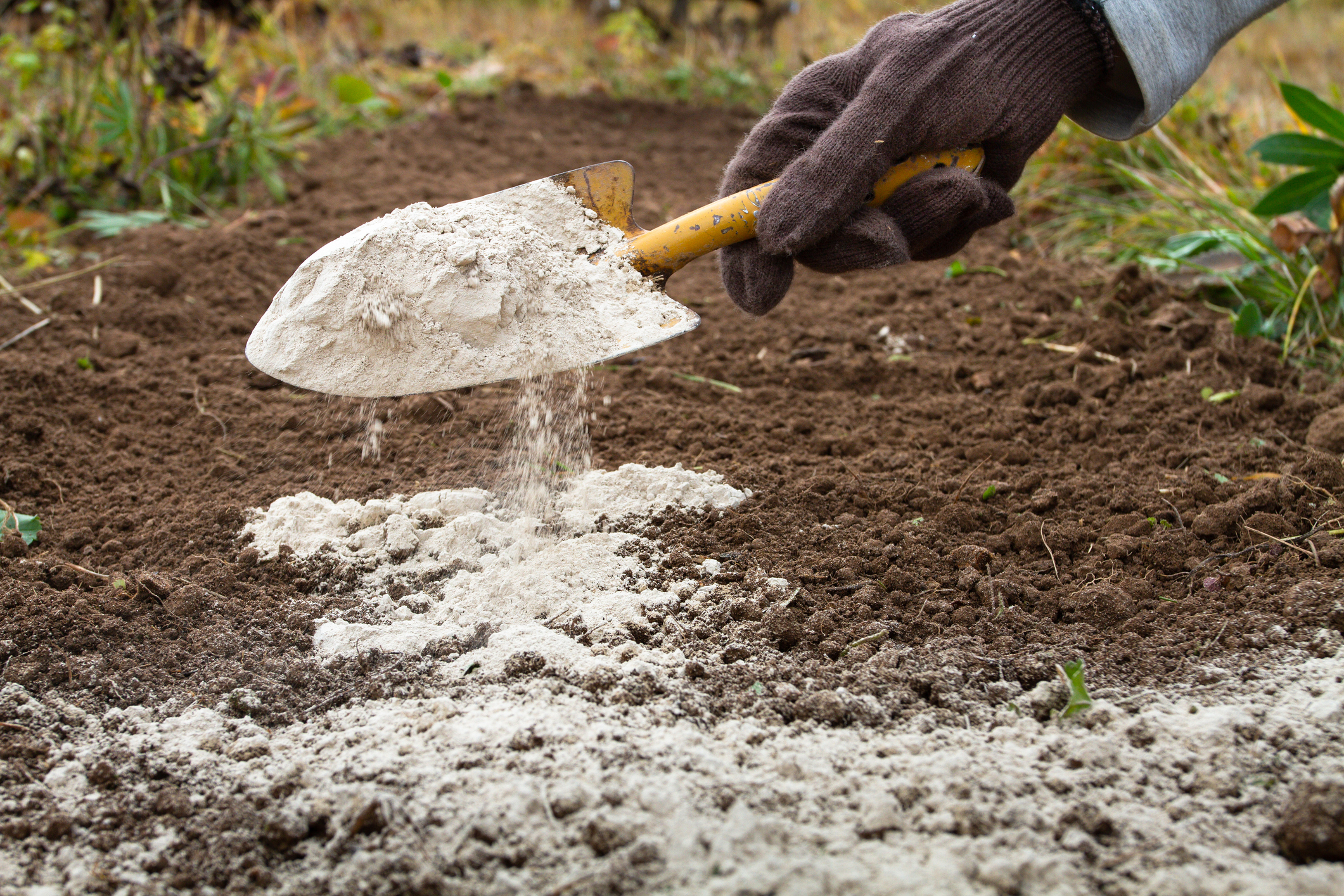
In areas such as Rockland, Bergen and Orange counties, frequent rainfall can contribute to naturally acidic soil. Lime, which is made from ground limestone, helps raise soil pH and make acidic soil more neutral, allowing plants to better absorb essential nutrients.

Gardeners should test their soil before applying lime to determine whether it is needed and how much to use. Soil with a pH below 6.5 may benefit from lime, and inexpensive test kits are available at garden centers.

Why Apply Lime in the Fall?

Fall is considered a good time to apply lime in the Northeast because it gives the product several months to react with the soil before spring planting.

Two common types are granular lime, which works slowly and is often used on lawns and vegetable beds, and hydrated lime, which acts more quickly and is generally used for spring applications or new gardens.

According to Stuart Leventhal, owner of Down to Earth Garden Center, lime helps neutralize soil acidity, allowing plants to absorb nutrients more effectively.

Lime can be spread on lawns with a spreader or applied by hand to garden beds. It should then be worked into the top four to six inches of soil and watered. Gardeners should avoid applying lime and fertilizer at the same time because the products can react negatively.

Soil pH can be tested again in the spring to determine whether additional adjustments are needed.

For gardeners across Rockland, Bergen and Orange counties, fall offers an opportunity to improve soil now and help create healthier, more productive landscapes when the growing season returns.

Down to Earth Living Garden Center also offers gardening advice and encourages customers to bring photos of their gardens or outdoor spaces when seeking recommendations on plants, containers and landscaping projects.

Continue Reading
Advertisement
Click to comment

Leave a Reply

Your email address will not be published. Required fields are marked *

Business

How to Bring Houseplants Indoors for Fall and Winter

Published

on

Bring Your Outdoor Plants Indoors Before the Cold Weather Arrives

As cooler weather approaches, homeowners who moved houseplants, herbs and flowering plants outdoors for the summer should begin preparing them for the transition back indoors.

Plants that have spent months on a deck, patio or in window boxes can benefit from a gradual adjustment to indoor conditions. Changes in temperature, sunlight and humidity can cause stress, leading to problems such as wilting and leaf drop.

Start the transition gradually. Move plants to a shadier location outdoors before bringing them inside. This helps them adjust to lower light levels. Cleaning indoor windows can also maximize the amount of natural light available once the plants are moved inside.

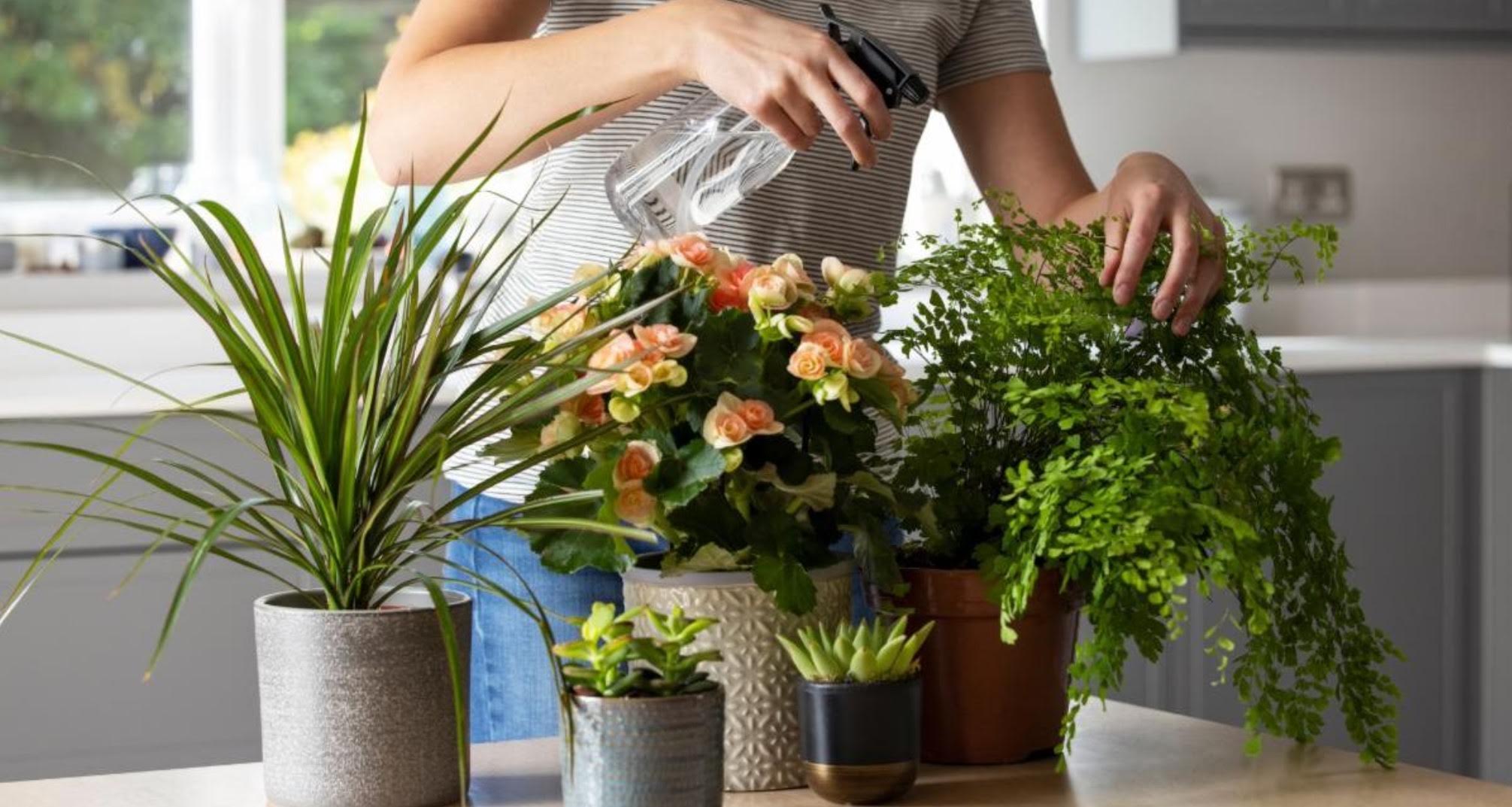
Check carefully for pests. Before bringing plants indoors, inspect leaves, stems and soil for insects or signs of disease. Dead leaves and spent flowers should be removed. Plants can be rinsed with a hose or treated with insecticidal soap to help eliminate pests.

For plants with heavier infestations, one option is to place the entire plant and pot in a large tub of soapy water, then allow it to drain thoroughly before bringing it indoors. The gardening experts at Down to Earth also recommend applying a systemic insecticide about 10 days before the move, when appropriate.

Fall is also a good time to address repotting and pruning. If a plant has outgrown its container, move it into a pot at least two inches larger in diameter. Leggy plants can be pruned, with the top and roots trimmed in roughly equal proportions before replanting in fresh potting soil.

Choosing the right soil is important as well. Succulents, cacti, African violets and orchids have different soil requirements than typical houseplants, so gardeners should use a growing mix suited to each plant.

Once indoors, choose a location with plenty of natural light, while keeping plants away from heating vents and cold drafts. Watering should also be adjusted for indoor conditions. Allow the surface of the soil to dry before watering again, and let succulents remain dry for several days before watering.

Humidity can be increased by placing a plant on a saucer filled with pebbles and water, creating a small area of increased humidity around the plant.

During the winter, Down to Earth recommends giving indoor plants a quick shower with lukewarm water about every six weeks. The routine can help keep foliage clean and plants healthier through the colder months.

Local gardening expertise

Down to Earth Living Garden Center encourages customers to bring photographs of their gardens, backyards or spaces they would like to improve, along with inspirational images, when seeking advice from its gardening experts.

The team can help customers select plants, shrubs, containers and statuary to create a desired look. The center’s expanded indoor plant showroom is open year-round, and free repotting is available with any plant or pot purchase.

Now in its 56th year, Down to Earth Living serves Rockland, Bergen and Orange counties and the Hudson Valley. The garden center encompasses 12.5 acres featuring perennials, flowers, shrubs and trees, with new plants arriving weekly.

The 10,000-square-foot showroom also features contemporary, classic, traditional and transitional outdoor furniture, including teak, aluminum and all-weather dining and deep-seating furniture.

Down to Earth Living is located at 1040 Route 45 in Pomona, N.Y. For more information, call 845-354-8500 or visit the center’s website visit www.dteliving.com.

Continue Reading

Business

The Mill at Sutter’s Airmont: Tuesday Wing Night Is Back

Published

on

The Mill at Sutter’s in Airmont is under new management and entering a new chapter following a full renovation of the historic location.

The property, which dates back to 1983, officially debuted under its new team in May 2026. The newly renovated restaurant is operating as a full-service sports bar, with an emphasis on food, drinks, live music and a late-night menu.

As part of the changes, The Mill at Sutter’s is bringing back Wing Night. Every Tuesday, customers can enjoy 75-cent wings all day, with a choice of sauces and a selection of cold drinks.

Wing Night is available every Tuesday from 12 p.m. to 10 p.m., dine-in only.

The restaurant is inviting the local community to visit the renovated space, check out the new management team and enjoy the weekly special as The Mill at Sutter’s continues its next chapter in Airmont.

With a history dating back more than four decades, a newly renovated space and plans for expanded food and entertainment options, The Mill at Sutter’s is looking to establish itself as a destination for dining, sports and nightlife in the local community.

Continue Reading

Trending