New York State Department of Environmental Conservation (DEC) Commissioner Basil Seggos today announced the release of a draft Deer Management Plan for New York State for public review and comment. The plan builds upon the progress made by DEC’s first deer management plan, released in 2011, and will guide DEC’s deer management actions to balance natural resource protection, public safety, and recreational and economic interests for the next 10 years. The draft plan is available on DEC’s website and public comments will be accepted through Dec. 28, 2020.
“With this draft management plan, DEC is taking innovative steps to improve deer management for the benefit of deer, deer habitat, and New Yorkers,” Commissioner Seggos said. “We are seeking new ways to address overabundant deer in urban and suburban areas, provide relief to farmers and forest owners experiencing deer damage, protect New York’s deer from the potential devastation of Chronic Wasting Disease, and enhance our great deer hunting traditions.”
The draft plan details a new method for setting deer population objectives that integrates an assessment of deer impacts on forests with public preferences for deer population changes. It emphasizes new and adaptive approaches for harvesting antlerless deer by recommending strategic hunting season and tag changes in rural landscapes where additional harvest is needed and developing new opportunities for community-based deer management in suburban and urban landscapes.
A summary of the accomplishments from the first plan, many of which have become integrated into DEC’s deer management program, is also included. In addition, the plan provides greater transparency into the processes behind deer management including the methodology for setting Deer Management Permit (DMP, antlerless tag) quotas and the calculations for estimating annual deer harvest totals. Finally, this plan identifies a series of statutory recommendations that would improve deer management capacity throughout New York.
Significant elements of the Draft Plan include:
Establishing desired deer population trajectories (more deer, fewer deer, stay the same) for 23 regions of the state by aggregating existing deer management units, including deer impacts on forest regeneration with new tools like AVID (see below), and considering public preferences for deer population change;
Monitoring deer populations for diseases such as Chronic Wasting Disease and taking steps to reduce disease risk;
Recommending several hunting-related changes to provide additional hunter opportunity such as a Southern Zone holiday hunt, special seasons to meet local objectives, and increasing antlerless harvest where deer population reduction is warranted;
Maintaining a voluntary approach for letting young bucks go and re-evaluating the existing mandatory antler restriction program for consistency with hunter values and management objectives;
Encouraging voluntary use of non-lead ammunition (such as copper) by deer hunters to reduce human and wildlife exposure to lead by ingestion;
Pursuing regulatory mechanisms to improve the Deer Management Assistance Program and Deer Damage Permit program so landowners and municipalities can reduce deer damage and deer-human conflicts;
Providing technical assistance for community-based deer management including local hunting programs, suburban/urban hunter-training workshops, and other management tools;
Exploring the potential for a small grants program to assist communities in developing local deer management plans and implementing actions from those plans;
Promoting the Assessing Vegetation Impacts of Deer (AVID) protocol for citizen science monitoring of deer browse impacts on forests; and
Better understanding and addressing public values and interests regarding deer populations, impacts, and deer management decisions.
Comments on the draft plan should be sent to wildlife@dec.ny.gov (using “Deer Plan” in the subject line) or by mail to: DEC Deer Management Plan, NYSDEC, 625 Broadway, Albany, NY 12233-4754. The public comment period closes on Dec. 28, 2020. After reviewing public comments on this draft, DEC will amend the plan before adopting and publishing a final version. Some recommendations will require new or amended state regulations and these regulatory proposals will be subject to an additional public comment period during the formal rulemaking process.
As noted, the draft plan contains a proposed regulation change to extend the late bow and muzzleloader season in the Southern Zone to include the period from December 26 to January 1. DEC received several thousand comments through Nov. 8, 2020 on this proposed regulation, and those comments are presently under review as part of that public regulatory process.
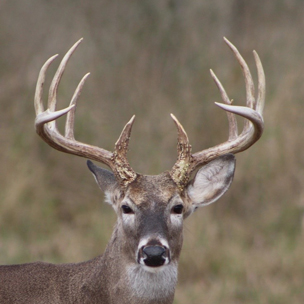
Photo credit Texas Parks and Wildlife