Connect with us

Business

Down to Earth Living Garden Center in Rockland County Celebrates 52 Years Of Service

Published

on

As summer draws to a close, it’s the perfect time to start preparing your garden for a successful spring bloom. Here are some essential steps to ensure your garden thrives next year.

1. Clean Up and Clear Out
Start by removing any dead or diseased plants from your garden. This helps prevent pests and diseases from overwintering in your garden. Be sure to also clear away spent annuals and vegetables, and add them to your compost pile if they are disease-free. This cleanup creates a clean slate for new growth come spring.
2. Soil Preparation
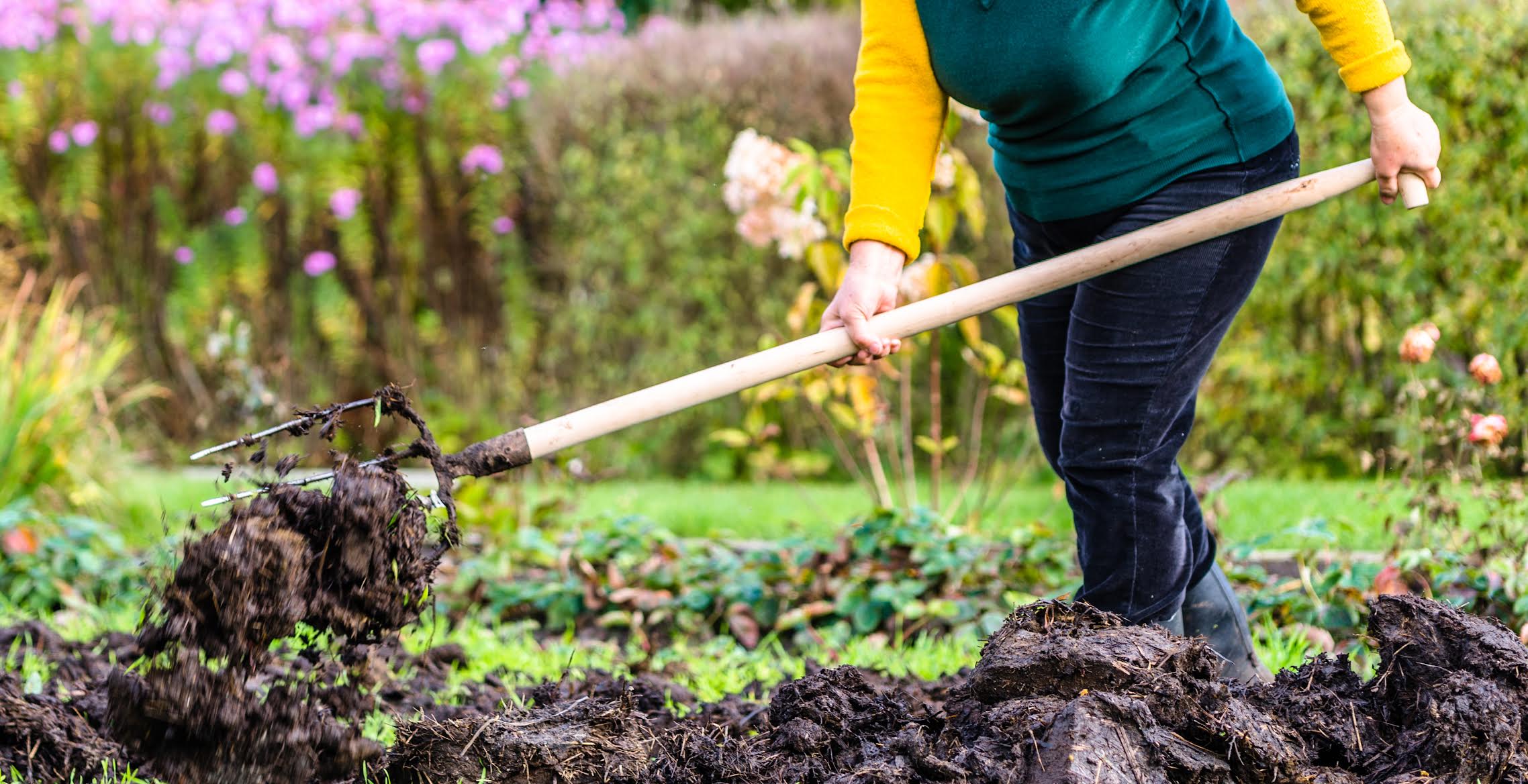
Testing your soil is a crucial step in garden preparation. Soil tests provide insight into pH levels and nutrient content, allowing you to make necessary amendments. The soil in this area tends to be acidic so this is a good time to add granular lime to give your plants a head start in the spring. Adding compost or well-rotted manure can also enrich your soil with essential nutrients. This organic matter improves soil structure, promotes healthy root development, and enhances water retention.
3. Plant Cover Crops
Consider planting cover crops, also known as green manure. Cover crops like clover, rye, and vetch help improve soil health by preventing erosion, enhancing soil structure, and adding organic matter when they decompose. They also help suppress weeds and can be turned into the soil in early spring as a natural fertilizer.
4. Mulching
Applying mulch in the fall helps protect your soil from winter erosion and retains moisture. Organic mulches such as straw, wood chips, or shredded leaves add nutrients to the soil as they break down. A 2-3 inch layer of mulch also helps regulate soil temperature, creating a more stable environment for your plants.
5. Pruning
Late summer and early fall are good times to prune perennials, shrubs, and trees. Remove any dead or diseased branches and shape your plants to promote healthy growth. Avoid heavy pruning as it can stimulate new growth that may not harden off before winter.

6. Plant Spring Bulbs
Now is the time to plant spring-blooming bulbs like tulips, daffodils, and crocuses. Planting bulbs in the fall allows them to establish roots and ensures a beautiful display of flowers in the spring. Be sure to plant them at the correct depth and provide a layer of mulch for insulation.
7. Plan for Next Year
Take notes on what worked well in your garden this year and what didn’t. Sketch out your garden plan for next spring, considering crop rotation and companion planting to maximize your garden’s health and productivity. By following these steps, you’ll set the stage for a vibrant and productive garden next spring.

The center is open 9 – 5 every day and is located near Bergen County at 1040 Route 45. Phone number is 845-354-8500. Website is www.dteliving.com for more information.

Continue Reading
Advertisement

Business

RCC Food Enthusiast Program Brings Hands-On Culinary Classes to Rockland

Published

on

NYACK, N.Y. — Rockland Community College’s Hospitality and Culinary Arts Center is once again offering its popular Food Enthusiast Program, a series of hands-on cooking classes for local food lovers and home cooks of all experience levels.

Held at the center’s teaching kitchens at 70 Main Street in downtown Nyack, the Food Enthusiast Program invites community members to learn new techniques, explore a variety of cuisines and prepare meals alongside professional chefs and culinary instructors. All food, equipment and supplies are provided, and participants typically get to taste the dishes they make or bring them home afterward.

Sessions in the program are typically priced at $75 per person, with class sizes capped at around 20 participants to ensure individualized attention.

Previous and upcoming classes have included themed lessons such as artisan breads, international cuisine, seasonal menus, and specialty dishes — offering something for both beginners and seasoned cooks alike.

The Food Enthusiast Program has drawn accolades from the region’s culinary community. Past editions were named “Best Cooking Class” by Hudson Valley Magazine, and RCC’s Culinary Arts program was ranked among the top in New York by Chef’s Pencil.

Interested participants can register online or contact the Hospitality and Culinary Arts Center directly for class schedules and details. For more information, call 845-875-7571 or visit RCC’s website.

The Line Up:

Wednesday, Feb 25th
“Let’s get Stewed” ! with Chef Steve Brunner
In this winter classic, learn critical Knife Skills & techniques on assorted vegetables & meats. We will prepare & take home the hearty Stews & Soups we make.
Thursday, March 12th
Mexicali Blues” with Chef Steve Brunner
Prepare a variety of traditional Mexican dishes through demonstrations & hands-on training.
Guacamole, Pico de GalloSalsa Verde as well as Chicken & Cheese Quesadillas, Mexican Street Corn, & Zesty Shrimp Salsa w Tortilla crisps.
Thursday March 26
“Easter a la Italiano” with Chef Don Eagle
Certified Executive Chef Don Eagle is coming here to teach you 2 classic Italian dishes Pizza Rustica and Panzanella Salad.
 Thursday April 2 
“Let’s get Tropical” with Chef Katie Lewis.
Key Lime Pie and Mock Mojitos. Bring your own rum and they will be mock no more.
 Thursday April 9th
“Chillin & Grillin” with Chef Steve Brunner
In this Spring awakening class, we will discuss & prepare a variety Spice Blends & Marinades you will use to Grill a variety of meats & vegetables at your own grilling station. These simple methods are easy to master & will become another enjoyable part of your culinary repertoire for years to come.
Thursday April 23
“Dinner Indian Style” with Chef Hemangini Rathore
Enjoy the extraordinary flavors of India as Chef Hema teaches you to make Chicken Tikka Masala, Biryani Rice, and Chutney (menu subject to change)
Thursday May 7
Making Macarons with Chef Pam Sangen
Learn how to make these ethereal French Pastries with their contrasting textures in a variety of flavors and colors.

Continue Reading

Business

Down to Earth Living Shares Winter Indoor Plant Care Tips

Published

on

POMONA, N.Y. — While outdoor gardens are dormant during winter, indoor plants require adjusted care to stay healthy, according to experts at Down to Earth Living.

“Most houseplants slow their growth significantly in winter,” said Stuart Leventhal, owner of Down to Earth Living. “Simple changes to watering, light, and placement can reduce stress and support plant health until spring.”

Among the most common winter issues are overwatering, low light, and dry indoor air.

Experts recommend watering only when the top inch or two of soil is dry, as most plants require less moisture during colder months. Moving plants closer to south- or west-facing windows and rotating them regularly can help compensate for shorter days. For tropical plants, increasing humidity through pebble trays or humidifiers can prevent dryness caused by indoor heating.

Fertilizing should generally be paused until late February or March, unless plants are actively growing under grow lights. Homeowners are also advised to monitor for common winter pests and wipe leaves clean to improve light absorption.

Down to Earth Living will reopen for the season on March 10 and will offer free on-site potting and re-potting services for customers purchasing houseplants or containers. The garden center, located at 1040 Route 45 in Pomona, serves Rockland, Bergen, Orange counties and the Hudson Valley.

For more information, call 845-354-8500 or visit dteliving.com.

Continue Reading

Trending