Community
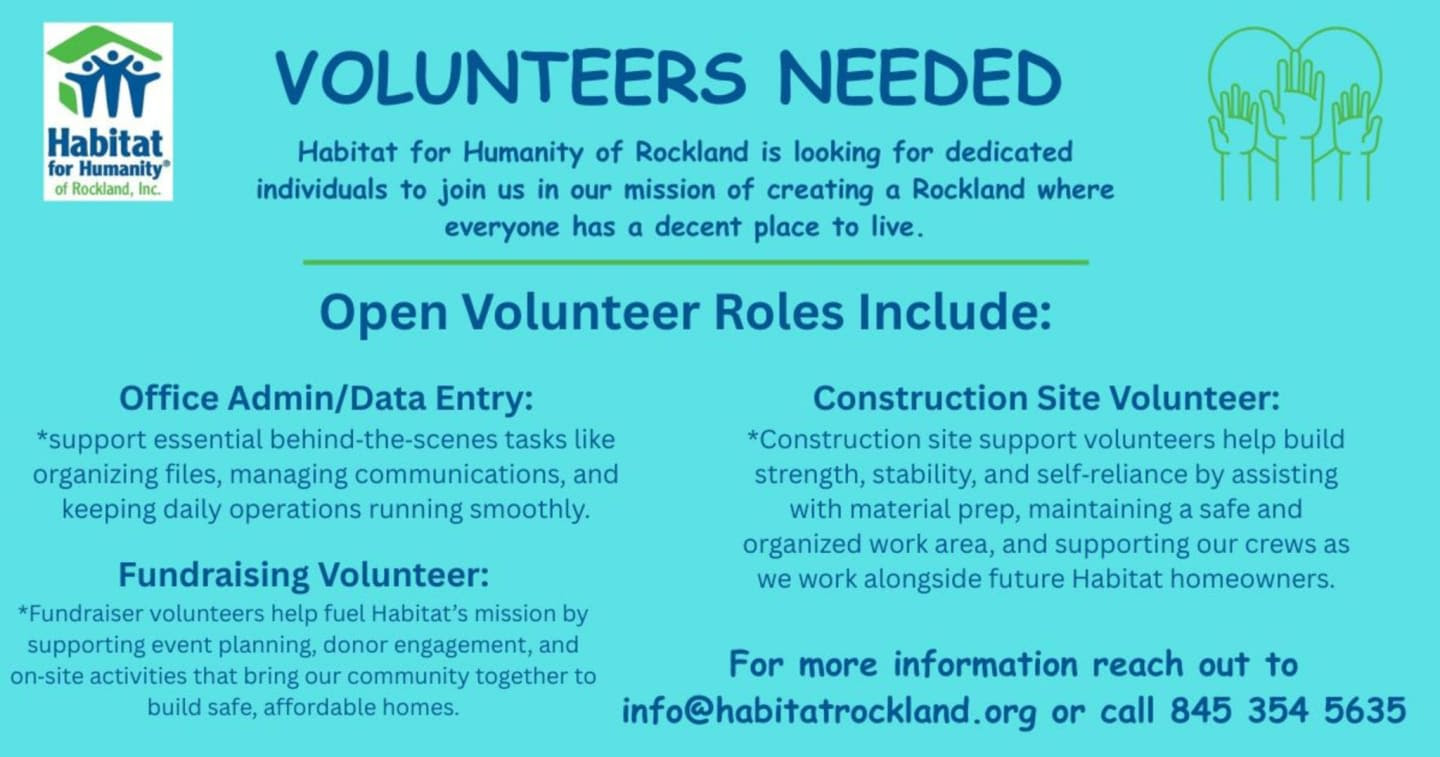
Habitat for Humanity Seeks Volunteers in Rockland County to Build Homes and Hope



Events22 hours ago
Rockland County Free Fall Festival Returns to West Nyack Oct. 18

Business3 days ago
La Casa Di Dolce Brings Generations of Italian Baking Traditions to a New Children’s Book

Community3 days ago
Milla News: Rockland County’s Unofficial Mayor

Business3 days ago
Beyond Mums: Best Plants for Fall Garden Color

Community4 days ago
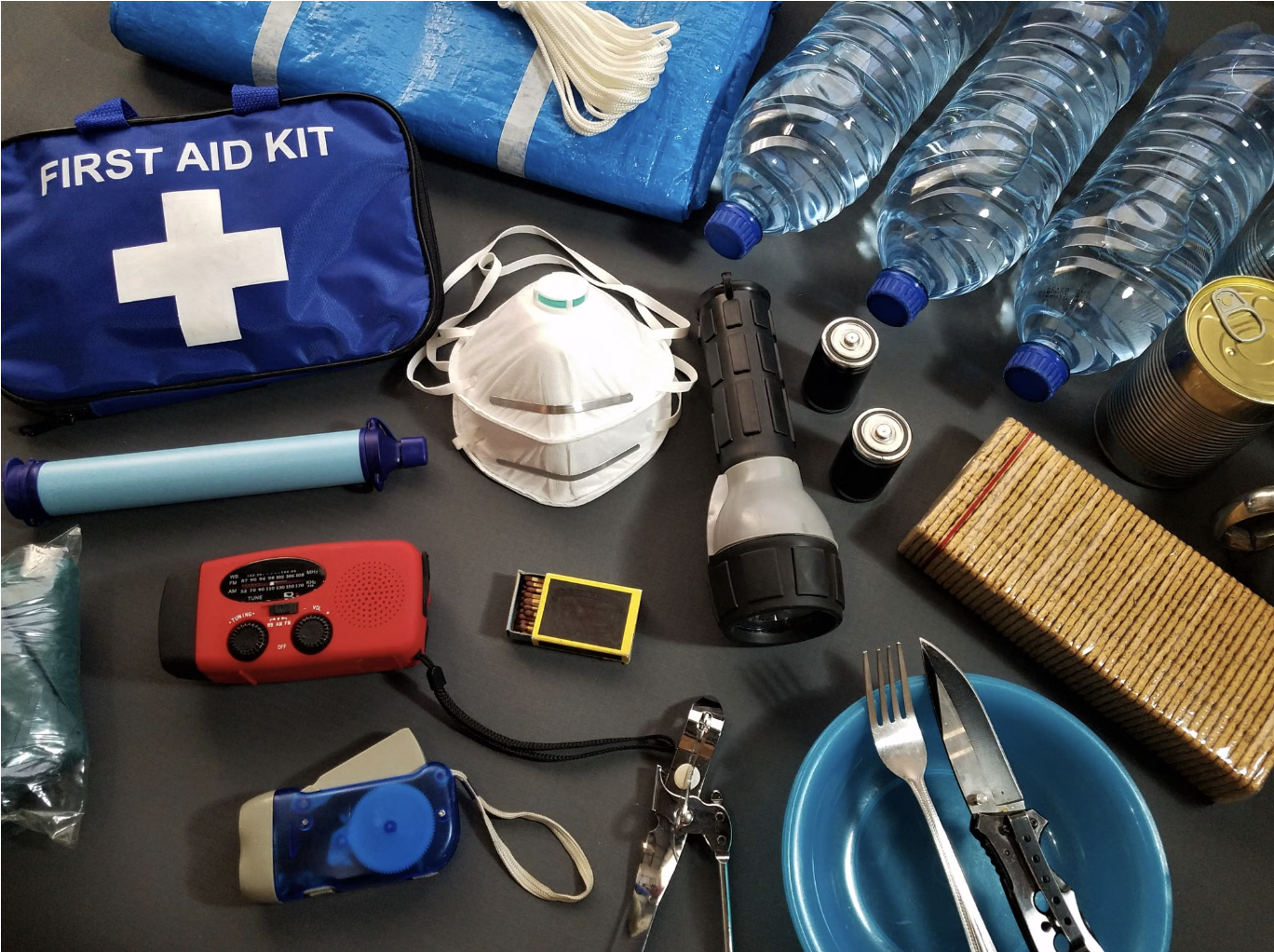
Family Emergency Preparedness: Is Your Family Ready?
Business3 days ago
La Casa Di Dolce Brings Generations of Italian Baking Traditions to a New Children’s Book

Business1 year ago
A Taste of Tradition: Leonardo’s Italian Deli & Catering Serves Up Authentic Flavor in New City

Government1 year ago
Town of Clarkstown Unveils New Fitness Equipment at Street Community Center

Entertainment1 year ago
Ayoo Chill Wows Crowd with Powerful Rendition of “Nessun Dorma” at Rockland Music Fest at Nanuet Town Centre
-
 Sports1 week ago
Pearl River Native Drew Fortescue Scores First Goal for New York Rangers
-
Business3 days ago
Beyond Mums: Best Plants for Fall Garden Color
-
Community4 days ago
Family Emergency Preparedness: Is Your Family Ready?
-
Business3 days ago
La Casa Di Dolce Brings Generations of Italian Baking Traditions to a New Children’s Book