Connect with us

Government

Senate Approves Bill Expanding SPCA Fingerprinting Access

Published

on

A bipartisan bill sponsored by Pete Harckham aimed at helping SPCAs across New York more effectively investigate and prosecute animal cruelty cases has passed the State Senate unanimously.

The legislation, S.1664, would authorize SPCA officers statewide to access the same live scan fingerprinting system currently used by law enforcement agencies following an arrest. Supporters say the measure would streamline arrest processing, improve officer efficiency, and help prevent suspects from avoiding prosecution.

At present, many SPCA officers in New York must rely on outside law enforcement agencies to process fingerprints after making an arrest, often causing delays.

“SPCA officers must have the tools and resources they need to protect defenseless animals from cruelty and neglect and the public at large from serial abusers,” Harckham said in a statement. “With access to live scan fingerprinting, officers can quickly determine whether a suspect has a history of abuse or is wanted for other crimes.”

Harckham said the legislation was inspired by conversations with officers from the Putnam County SPCA, who reported that delays in fingerprint processing sometimes allowed suspects with outstanding warrants to remain free longer than necessary.

Chief Ken Ross of the Putnam County SPCA praised the bill’s passage, noting the connection between animal cruelty and other violent crimes.

“Animal cruelty crimes are especially disturbing because they target the most vulnerable,” Ross said. “These offenses are often linked to other forms of violence, including child abuse and domestic violence.”

According to supporters of the legislation, animal cruelty cases have increased across New York since the COVID-19 pandemic. SPCAs cite rising living costs, behavioral health challenges, and the expiration of eviction protections as contributing factors.

Data from Humane Society International indicates that 85% of individuals arrested for animal cruelty have prior arrests, many involving felony offenses. The organization also reports significant overlap between domestic violence and animal abuse cases.

If enacted into law, the bill would expand investigative capabilities for SPCAs statewide and strengthen coordination between animal welfare agencies and law enforcement officials.

Continue Reading
Advertisement

Government

Rockland County Promotes Native Plants and Water-Smart Landscaping

Published

on

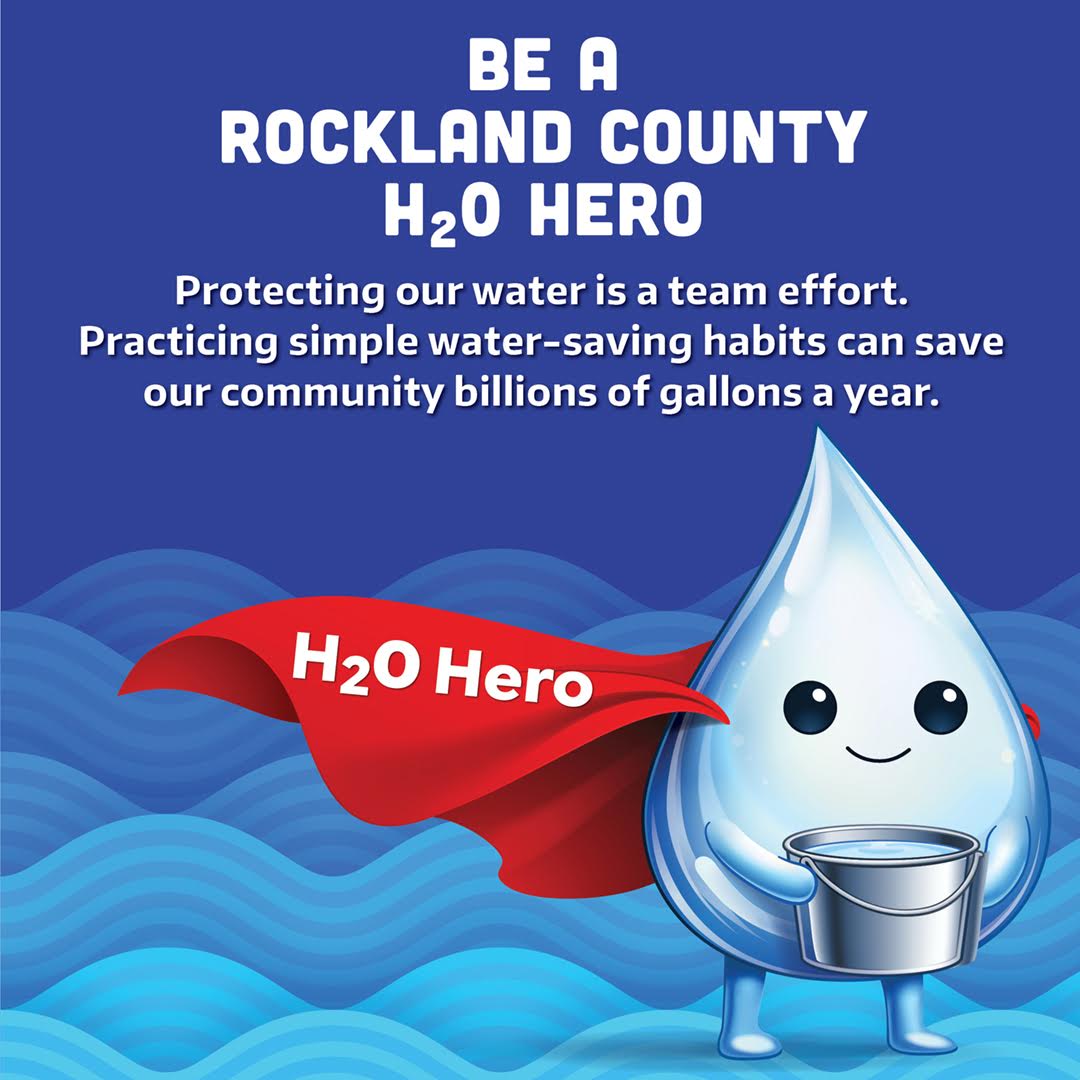
The Water Advisory Council is encouraging residents to embrace water-smart landscaping practices that conserve water and support environmental health.

Officials recommend reducing nonfunctional lawn areas and replacing them with native plants, drought-tolerant landscaping, rain gardens, bioswales, and rain barrels. These practices help reduce water consumption, manage stormwater runoff, improve groundwater recharge, and increase resilience to climate change.

According to the Council, water demand in Rockland County rises from an average of 30 million gallons per day to as much as 45 million gallons per day during the warmer months, placing additional strain on local water supplies.

Residents are encouraged to consider native plants such as Creeping Phlox, Foamflower ‘Elizabeth Oliver,’ and Jacob’s Ladder, which require less watering once established and are well-suited to local conditions.

Examples of successful rain gardens featuring native plants can be found at Orangeburg Library, Bowline Point Park, Kennedy Dells County Park, and Piermont Library.

By replacing sections of lawn with native plants and incorporating features that manage rainwater naturally, residents can play a direct role in protecting Rockland County’s water resources.

The initiative is part of the county’s ongoing effort to promote sustainable landscaping and encourage participation in the national “Less Lawn More Life” movement.

Continue Reading

Government

Rockland Conservation & Service Corps Stream Team Helps Prevent Flooding and Protect Waterways

Published

on

Members of the Rockland Conservation & Service Corps are helping protect local communities through their work with the Rockland County Drainage Agency, inspecting and assessing streams throughout Rockland County.

The Corps’ Stream Team identifies obstructions such as fallen trees, debris, and sediment buildup that can restrict water flow and contribute to flooding during heavy storms. Members also document illicit discharges, erosion issues, and areas in need of sediment remediation.

The information collected helps county officials address potential problems before they become larger environmental or public safety concerns.

In addition to reducing flood risks, the Stream Team’s work supports water quality and helps maintain healthy ecosystems throughout the county. By monitoring local waterways and identifying issues early, the team plays an important role in protecting Rockland County’s natural resources and strengthening community resilience.

Officials say the partnership highlights the importance of proactive environmental stewardship and ongoing efforts to keep Rockland County’s streams healthy, safe, and flowing properly.

Continue Reading

Trending