Connect with us

Community

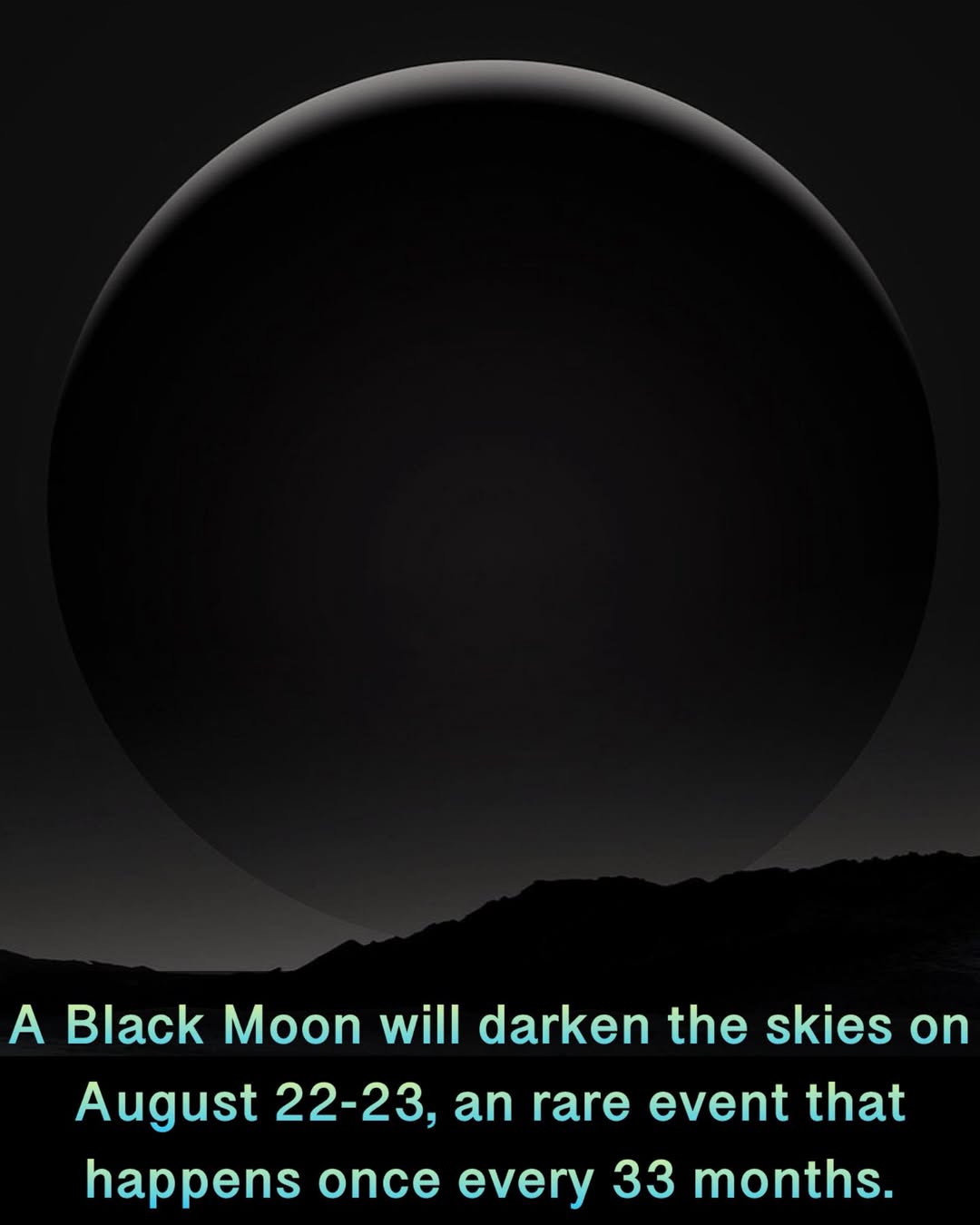
What Is a Black Moon? Rare Lunar Event Happening on August 22–23, 2025

Published

on

What Is a Black Moon?

A Black Moon occurs when there are two New Moons in a single calendar month — a rare astronomical event that happens roughly once every 2.5 to 3 years.

Because the lunar cycle lasts about 29.5 days, it doesn’t align perfectly with our calendar. Occasionally, a second New Moon slips into the same month — this is the Black Moon.

Unlike a Full Moon, a New Moon is invisible to the naked eye, as the Moon is positioned directly between the Earth and the Sun.


Why It’s Special

  • Rare event: Only appears every 32–33 months

  • Ideal stargazing conditions: The sky becomes especially dark, making stars, the Milky Way, and meteor showers much more visible

  • Cultural significance: In mythology and folklore, the Black Moon is often associated with transformation, mystery, and new beginnings


When and How to Watch

Date: Night of August 22–23, 2025

You won’t see the Moon itself, but you’ll notice exceptionally dark skies — perfect for astronomy enthusiasts.

To make the most of this event:

  • Travel to a location far from city lights to avoid light pollution

  • Bring binoculars or a telescope to observe deep-sky objects such as galaxies, nebulae, and star clusters

  • Look for increased visibility of meteor showers and faint celestial objects


Tips for Observers

  • Visit a rural or mountainous area with open sky views

  • For photography, bring a tripod and try long-exposure shots of the Milky Way

  • Be patient and allow your eyes time to adjust to the darkness

  • Check weather and moonrise times in advance


Don’t Miss It

This is one of the darkest nights you’ll experience — a rare opportunity for stargazing and astrophotography. The next Black Moon won’t occur until 2028, so now is the time to plan your skywatching experience.

Continue Reading
Advertisement

Community

D-Day Remembrance Day: Honoring the Allied Invasion of Normandy on June 6, 1944

Published

on

On June 6, 1944, Allied forces launched D-Day (Normandy landings), part of Operation Overlord — the massive amphibious assault on Nazi-occupied France along the beaches of Normandy.

It became one of the largest and most consequential military operations of World War II, involving thousands of ships, aircraft, and ground troops from multiple Allied nations. The landings took place across five beaches — Omaha, Utah, Gold, Juno, and Sword — in a coordinated effort that would shape the course of the war in Europe.

The operation marked a decisive turning point, eventually leading to the liberation of Western Europe from Nazi control. The fighting on D-Day came at a tremendous cost, with thousands of soldiers killed or wounded on the first day alone.

Today, D-Day is remembered not only as a major military milestone, but as a moment defined by extraordinary courage, sacrifice, and unity among ordinary people called to an extraordinary mission.

                       We honor and remember those who never made it home.

Continue Reading

Community

Protect Yourself and Your Loved Ones from Scams | Senior Fraud Prevention Tips

Published

on

Scammers often target older adults by pretending to be family members, government agencies, banks, healthcare providers, or technical support representatives. Their goal is to create panic, gain trust, and convince victims to send money or provide personal information.

Common Scams Targeting Seniors

• Grandparent scams involving fake emergencies and urgent requests for money

• Tech support scams claiming your computer has a virus or security problem

• Fake IRS, Social Security, Medicare, or law enforcement calls

• Lottery and sweepstakes scams promising prizes in exchange for fees

• Romance scams through social media, dating websites, and messaging apps

• Bank fraud and account compromise scams

• Investment and cryptocurrency scams promising guaranteed returns

Protect Yourself

✅ Never send money, gift cards, cryptocurrency, or wire transfers to someone you do not know or have not verified.

✅ Verify any urgent request by contacting a trusted family member, friend, or organization directly using a known phone number.

✅ Never provide personal, banking, Medicare, or Social Security information over the phone unless you initiated the contact and trust the recipient.

✅ Be cautious of callers who pressure you to act immediately, threaten consequences, or demand secrecy.

✅ Legitimate government agencies, financial institutions, and law enforcement organizations generally do not demand immediate payment by gift card, cryptocurrency, wire transfer, or other unconventional payment methods.

✅ If something sounds too good to be true, it probably is.

What To Do If You Suspect a Scam

📞 Hang up the phone or end the communication.

🛑 Stop responding to calls, texts, emails, or messages from the suspected scammer.

👨‍👩‍👧 Contact a trusted family member, friend, or caregiver.

📋 Report the incident to your local law enforcement agency, financial institution, or the appropriate consumer protection authorities.

Working together, we can help protect our community from fraud and scams. Stay informed, stay alert, and share this information with family, friends, and neighbors.

Continue Reading

Trending