Connect with us

Community

Down to Earth Living Shares Why Autumn Is the Best Season for Planting

Published

on

Pomona, NY –  While many homeowners traditionally view spring as the prime season for planting, experts are urging gardeners to take advantage of the fall instead. With its cooler temperatures, increased rainfall, and still-warm soil, fall offers the ideal environment for planting trees, shrubs, and lawns that thrive come spring.

According to local gardening expert Stuart Leventhal, owner of Down to Earth Living in Pomona, plants installed in autumn have a significant advantage.

“Shrubs and trees planted in the fall prosper in the spring because their root systems have had time to develop and strengthen,” said Leventhal. “In fact, they continue to caliper up during the winter months and store nutrients for spring use. When dormancy ends, they are ready to grow with greater vigor and resilience.”

Benefits of Fall Planting

Favorable Growing Conditions:
Fall’s mild weather creates less stress for both plants and gardeners. While air temperatures cool, the soil retains warmth from the summer, allowing roots to grow deep before winter sets in. This extended root development gives plants a strong foundation for spring growth.

Natural Irrigation and Water Efficiency:
Autumn typically brings more rainfall and reduced evaporation, meaning newly planted trees and shrubs require less supplemental watering. The increase in soil moisture supports better establishment and growth.

Reduced Threat from Pests and Diseases:
As insect populations decline and common plant diseases subside during fall, new plantings are less vulnerable to damage. This helps young trees and shrubs get off to a healthier start.

Root System Development Over Foliage:
Unlike in spring, when plants devote energy to leaf and flower production, fall plantings focus their energy below ground. This allows for stronger, more resilient root systems to take shape before winter dormancy.

More Affordable Landscaping:
Fall is considered the off-season in the gardening industry, which means garden centers often offer discounts to move inventory. Homeowners can find deals on a wide variety of trees and shrubs, making it a cost-effective time to invest in their landscape.

Support for Pollinators:
Planting in the fall also supports early spring pollinators like bees and butterflies. Many fall-planted species bloom earlier, providing vital food sources for these essential insects.


Down to Earth Living Garden Center, located at 1040 Route 45 in Pomona, offers 12.5 acres of flowers, perennials, shrubs, and trees, with fresh stock arriving weekly. The 10,000-square-foot indoor showroom features a curated selection of teak, aluminum, and all-weather outdoor furniture in styles ranging from contemporary to traditional.

Open daily from 9 a.m. to 5 p.m.
Phone: 845-354-8500

Community

Milla News: Rockland County’s Unofficial Mayor

Published

on

Milla News has become one of Rockland County’s most recognizable social media personalities, earning a loyal following of more than 40,000 people on Instagram and building a reputation for making local news engaging for audiences of all ages.

Affectionately known as the “unofficial Mayor of Rockland County,” Milla has found a unique way to connect residents with the people, places and stories that shape their community.

Beyond his growing presence on social media, Milla is a co-owner of New York Is a Nationality, a popular clothing brand that celebrates New York identity and culture.

A graduate of Ramapo High School, Milla is also focused on giving back to the community that helped shape him. Through his work with local high school students, he shares insights into building a brand, using social media effectively and developing entrepreneurial skills.

By combining local news, social media and mentorship, Milla is helping inspire the next generation of young entrepreneurs while bringing Rockland County residents together through stories that reflect their community.

Continue Reading

Community

Family Emergency Preparedness: Is Your Family Ready?

Published

on

Emergencies Can Happen Anytime: Is Your Family Prepared?

Emergencies rarely happen when it is convenient. A severe storm, extended power outage, house fire, medical emergency or other unexpected event can quickly disrupt everyday life. Taking a little time now to prepare can make a major difference when something goes wrong.

Here are some simple steps every household should consider.

Build an Emergency Kit

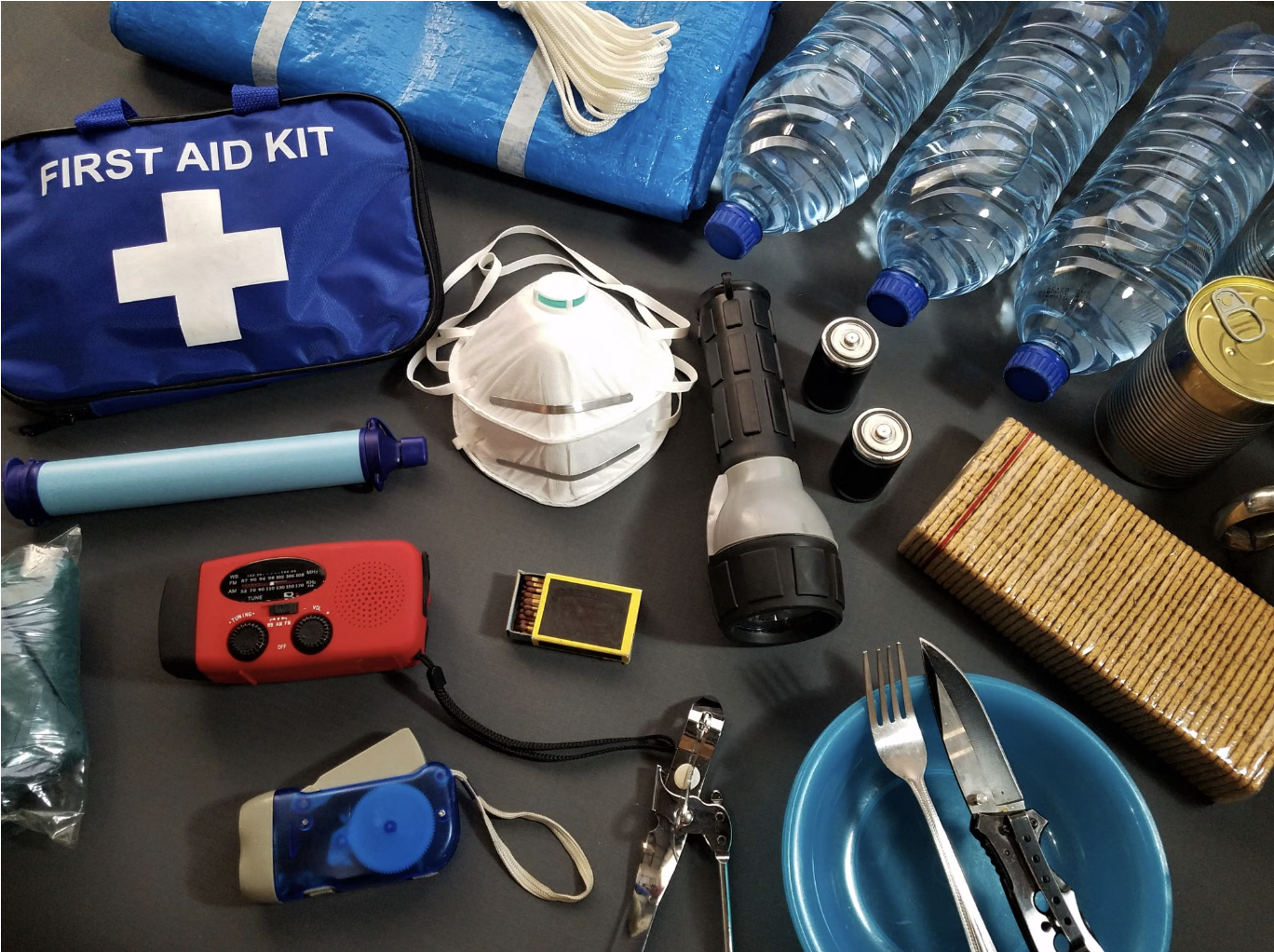
Keep basic supplies in a place that is easy to access. Your kit should include:

  • Bottled water and several days of nonperishable food
  • Flashlights and extra batteries
  • A battery-powered or hand-crank radio
  • First-aid supplies
  • Necessary medications and medical supplies
  • Phone chargers and backup power banks
  • Blankets and warm clothing
  • Copies of important documents
  • Cash in small denominations
  • Basic tools and household supplies

Remember to check your supplies periodically and replace expired food, batteries and medications.

Have a Plan for Power Outages

Winter storms, high winds and equipment failures can leave homes without electricity for hours or even days. Know where your flashlights are, keep devices charged and have alternative ways to stay warm.

If you use a generator, never operate it inside a home, garage or other enclosed space. Generators must be kept outdoors and away from doors, windows and vents because of the risk of deadly carbon monoxide poisoning.

Know What to Do in a House Fire

Make sure everyone in your household knows two ways to get out of every bedroom and where to meet outside.

Test smoke and carbon monoxide alarms regularly and replace batteries as recommended. If a fire occurs, get outside and stay outside. Do not go back inside for pets or belongings.

Prepare for Severe Weather

Severe thunderstorms, high winds, flooding and winter storms can develop quickly. Keep an eye on weather alerts and know where you would go in your home if you need to shelter.

During a severe storm, bring outdoor furniture and other loose objects inside when possible. Avoid driving through flooded roads — even a relatively small amount of moving water can be dangerous.

Be Ready for a Medical Emergency

Keep a well-stocked first-aid kit at home and learn basic first aid and CPR if you can.

Make sure family members know where important medications are located and have a list of medications, allergies and emergency contacts readily available. For a life-threatening emergency, call 911.

Make a Family Communication Plan

If an emergency separates family members, everyone should know how to reconnect.

Choose an emergency contact outside your immediate area and establish a meeting place. Make sure children know their full name, address and how to call 911.

Don’t Forget Your Pets

Pets need an emergency plan, too. Keep food, water, medications, leashes, carriers and copies of veterinary records with your emergency supplies. Identify pet-friendly shelters or hotels before an emergency occurs.

A Few Minutes of Preparation Can Save Precious Time

You do not have to prepare everything at once. Start with a basic emergency kit, make a family communication plan and learn what emergencies are most likely in your area.

The goal isn’t to expect the worst. It’s to be ready so that, when an emergency does happen, you can focus on keeping yourself and your loved ones safe.

Continue Reading

Trending