
Community
Ruby-Throated Hummingbirds Begin Fall Migration: How to Help Them on Their Journey South


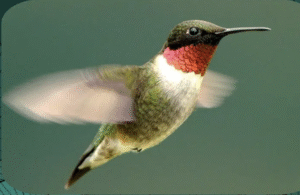
As summer winds down and cooler air moves in, Ruby-throated hummingbirds across the eastern United States are beginning their annual fall migration southward. These tiny but mighty birds are now passing through in large numbers, and backyard feeders play a critical role in helping them fuel up for their long journey.
Keep Feeders Out Through October
Wildlife experts are encouraging residents to keep hummingbird feeders out and stocked through at least late October, as this migration period will last several more weeks.
“This is one of the most active times of the year for hummingbirds,” says local birding enthusiast Lisa Raymond. “We’re seeing a huge push southward, especially with the arrival of recent cold fronts.”
Fueling an Epic Journey
The Ruby-throated hummingbird may weigh less than a penny, but its energy demands are immense:
-
Wing beats: Up to 80 times per second
-
Heart rate: Over 1,260 beats per minute
-
Feeding rate: Every 10–15 minutes
-
Daily intake: Up to 3 times their body weight in nectar and insects
“These birds are burning an extraordinary amount of calories during migration,” Raymond explains. “They rely on consistent food sources along the way — backyard feeders can literally be lifesavers.”
How to Help
Feeding hummingbirds is simple and safe:
-
Mix 1 part white sugar with 4 parts water
-
Boil briefly, then let cool
-
Do not use red dye — it’s unnecessary and potentially harmful
-
Clean feeders regularly (every 2–3 days in warm weather)
If you’ve noticed more hummingbirds than usual darting around your yard, you’re not alone. Reports of increased activity have come from across the region.
A Few More Weeks to Enjoy
Migration continues into late October, after which these birds will spend the winter in Central America, including southern Mexico and Panama. They’ll return north in the spring, following blooming flowers and warming temperatures.
Until then, take a moment to enjoy the spectacle — and help our feathered friends make it safely to their next stop.



Retired NYPD Detective Pleads Not Guilty in George Washington Bridge Shooting

North Rockland Youth Police Academy Celebrates 31st Graduation

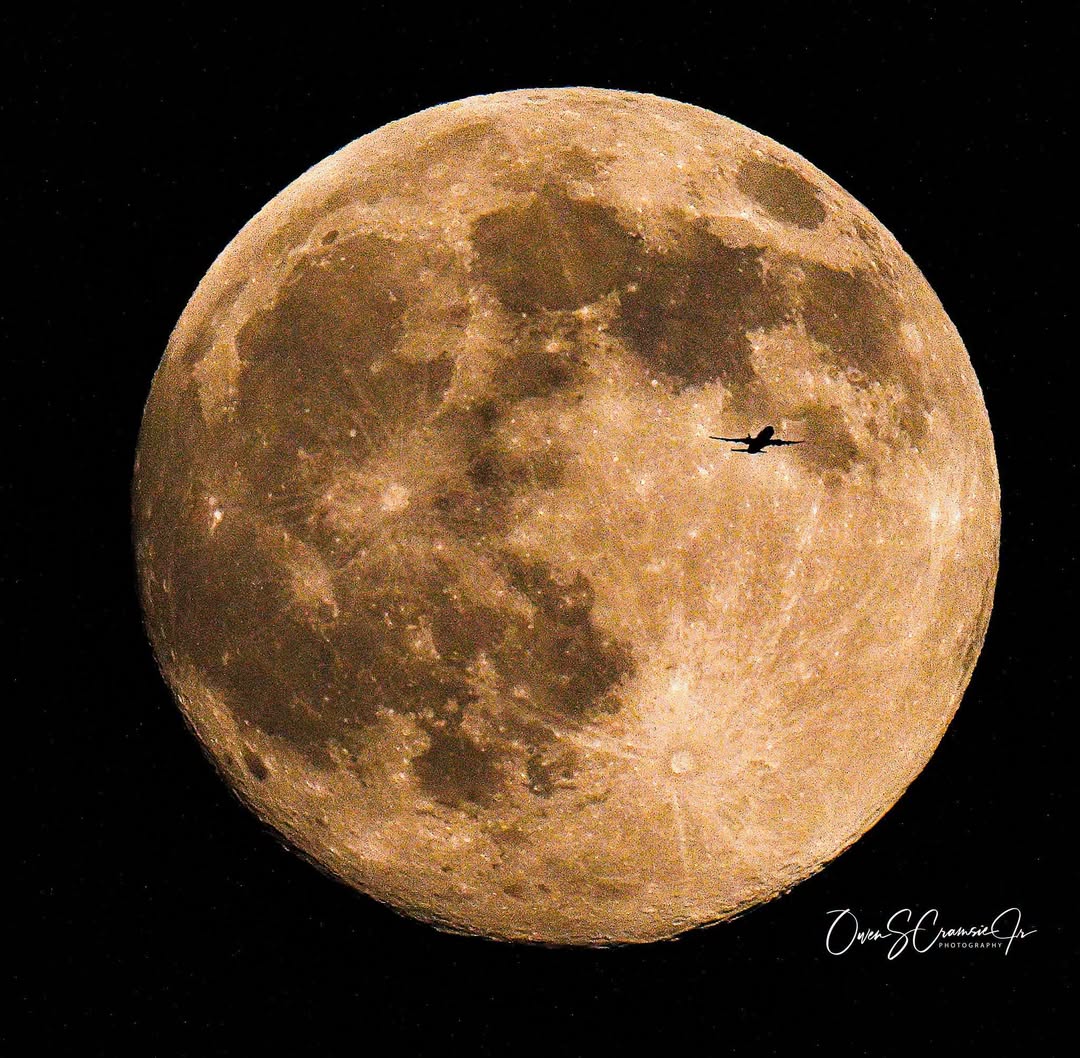
Rockland County Photographer Captures Plane Crossing Bright Moon

Rockland County Seeks Toy and Clothing Donations for Children in Need

Palisades Center Pet Photos with Santa Set for November 30 and December 7

Ramapo Police Department Mourns Retired K9 Rookie at Age 14

A Taste of Tradition: Leonardo’s Italian Deli & Catering Serves Up Authentic Flavor in New City

Town of Clarkstown Unveils New Fitness Equipment at Street Community Center

Ayoo Chill Wows Crowd with Powerful Rendition of “Nessun Dorma” at Rockland Music Fest at Nanuet Town Centre
-
 Government1 week ago
Rockland County Seeks Toy and Clothing Donations for Children in Need
-
Events1 week ago
Palisades Center to Host Free Santa’s Arrival Celebration November 21
-
Events1 week ago
Palisades Center Pet Photos with Santa Set for November 30 and December 7
-
Police/Fire/EMS1 week ago
Ramapo Police Department Mourns Retired K9 Rookie at Age 14