Connect with us

Community

Bass Fishing in Rockland County: Where to Go and What Anglers Need to Know

Published

on

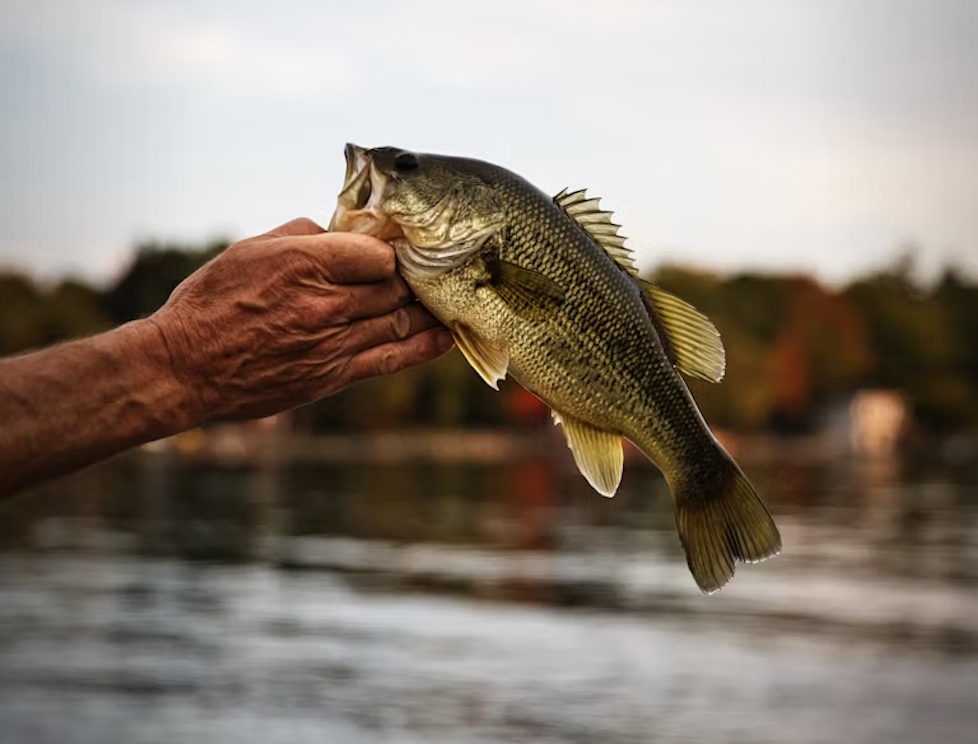
With warmer weather settling into the Hudson Valley, bass fishing season is in full swing across Rockland County. From local lakes to the Hudson River shoreline, anglers have several opportunities to target largemouth and smallmouth bass without traveling far from home.

Whether you’re an experienced angler or just getting started, knowing where to fish and understanding New York’s licensing requirements can help ensure a successful and legal day on the water.

Top Bass Fishing Locations in Rockland County

Rockland Lake

Located in Valley Cottage, Rockland Lake is one of the county’s most popular freshwater fishing destinations. The lake supports a healthy population of largemouth bass and offers excellent shoreline access for anglers. Early morning and evening hours are often the most productive times to fish.

Congers Lake

A favorite among local anglers, Congers Lake provides opportunities to catch largemouth bass, pickerel, and panfish. The lake’s accessible shoreline and calm waters make it a great option for beginners and families.

Hudson River

The Hudson River offers anglers the chance to target both largemouth and smallmouth bass. Productive areas include coves, creek mouths, docks, and rocky shorelines along the riverfront communities of Piermont, Nyack, and Haverstraw.

Lake DeForest

Lake DeForest is known for quality bass fishing, though access is more limited than some other county waters. Anglers should verify current access rules and regulations before planning a trip.

Lake Tappan

Straddling the New York-New Jersey border, Lake Tappan is another productive fishery for largemouth bass. Boaters and shoreline anglers alike have reported consistent success throughout the season.

Best Time to Fish for Bass

During the summer months, bass are most active during the early morning and late evening hours when water temperatures are cooler. Anglers often find success around weed beds, fallen trees, docks, and shaded shoreline cover.

Popular lures include:

  • Soft plastic worms
  • Senko-style baits
  • Spinnerbaits
  • Topwater frogs
  • Crankbaits

Fishing License Requirements

Anyone age 16 or older fishing for freshwater species in New York State must possess a valid freshwater fishing license. Licenses can be purchased online through New York State or from authorized sporting goods retailers and license issuing agents.

Current license options include:

  • Annual Resident License: $25
  • Annual Non-Resident License: $50
  • 7-Day License: $12
  • 1-Day License: $5

Anglers should carry proof of their license while fishing and be prepared to present it upon request.

Know Before You Go

Before heading out, anglers should review current New York State bass fishing regulations, including season dates, size restrictions, and daily possession limits. Regulations can vary by waterbody and are updated periodically by the New York State Department of Environmental Conservation.

For those looking to explore the outdoors close to home, Rockland County’s lakes and waterways offer some of the Hudson Valley’s most accessible bass fishing opportunities. With the proper license and a little patience, anglers can enjoy a productive day on the water while taking advantage of the county’s natural resources.

Continue Reading
Advertisement
Click to comment

Leave a Reply

Your email address will not be published. Required fields are marked *

Community

D-Day Remembrance Day: Honoring the Allied Invasion of Normandy on June 6, 1944

Published

on

On June 6, 1944, Allied forces launched D-Day (Normandy landings), part of Operation Overlord — the massive amphibious assault on Nazi-occupied France along the beaches of Normandy.

It became one of the largest and most consequential military operations of World War II, involving thousands of ships, aircraft, and ground troops from multiple Allied nations. The landings took place across five beaches — Omaha, Utah, Gold, Juno, and Sword — in a coordinated effort that would shape the course of the war in Europe.

The operation marked a decisive turning point, eventually leading to the liberation of Western Europe from Nazi control. The fighting on D-Day came at a tremendous cost, with thousands of soldiers killed or wounded on the first day alone.

Today, D-Day is remembered not only as a major military milestone, but as a moment defined by extraordinary courage, sacrifice, and unity among ordinary people called to an extraordinary mission.

                       We honor and remember those who never made it home.

Continue Reading

Community

Protect Yourself and Your Loved Ones from Scams | Senior Fraud Prevention Tips

Published

on

Scammers often target older adults by pretending to be family members, government agencies, banks, healthcare providers, or technical support representatives. Their goal is to create panic, gain trust, and convince victims to send money or provide personal information.

Common Scams Targeting Seniors

• Grandparent scams involving fake emergencies and urgent requests for money

• Tech support scams claiming your computer has a virus or security problem

• Fake IRS, Social Security, Medicare, or law enforcement calls

• Lottery and sweepstakes scams promising prizes in exchange for fees

• Romance scams through social media, dating websites, and messaging apps

• Bank fraud and account compromise scams

• Investment and cryptocurrency scams promising guaranteed returns

Protect Yourself

✅ Never send money, gift cards, cryptocurrency, or wire transfers to someone you do not know or have not verified.

✅ Verify any urgent request by contacting a trusted family member, friend, or organization directly using a known phone number.

✅ Never provide personal, banking, Medicare, or Social Security information over the phone unless you initiated the contact and trust the recipient.

✅ Be cautious of callers who pressure you to act immediately, threaten consequences, or demand secrecy.

✅ Legitimate government agencies, financial institutions, and law enforcement organizations generally do not demand immediate payment by gift card, cryptocurrency, wire transfer, or other unconventional payment methods.

✅ If something sounds too good to be true, it probably is.

What To Do If You Suspect a Scam

📞 Hang up the phone or end the communication.

🛑 Stop responding to calls, texts, emails, or messages from the suspected scammer.

👨‍👩‍👧 Contact a trusted family member, friend, or caregiver.

📋 Report the incident to your local law enforcement agency, financial institution, or the appropriate consumer protection authorities.

Working together, we can help protect our community from fraud and scams. Stay informed, stay alert, and share this information with family, friends, and neighbors.

Continue Reading

Trending