Connect with us

Government

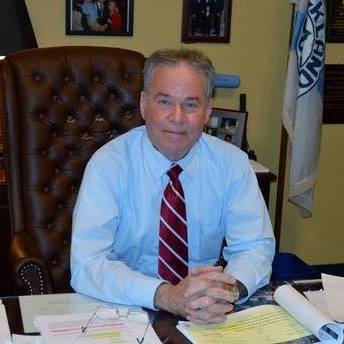
“Another NYC Sleight Of Hand” By Rockland County Executive Day

Published

on

Once again, the City of New York blindsided counties late-Tuesday with another scheme to unload its failed homeless and Sanctuary City policies by exporting its homeless residents to be backfilled with migrants.

New York City’s Department of Social Services (NYCDSS) will allow city-issued housing vouchers to be used statewide by its low-income residents to alleviate homelessness the City is incapable of handling. Under the plan CityFHEPS, participants secure 5-year leases paying 30% of the housing and NYCDSS pays the rest. Typically, CityFHEPS provides landlords three months’ rent upfront plus a 15% bonus, which will inflate housing costs in localities while incentivizing landlords to kick out local residents for the higher paying municipality.

This is another attempt by the City of New York and Mayor Eric Adams to circumvent the laws and shift a problem resulting from its failed homeless and Sanctuary City policies to other municipalities. What Mayor Adams fails to realize is this does not solve the problem; it only spreads it across New York State while incentivizing more illegal immigration among migrants eager to backfill the spots in City shelters as they open. Reports confirm migrants are not just coming from the border, but across the country for the free housing, food, and services being provided by the City.

Our Department of Social Services is already struggling to place low-income individuals in housing in Rockland County due to our well-documented housing shortages that often lead to dangerous levels of overcrowding.

This plan will, without question, drive our price of housing up further and cause competition among our low-income looking for housing.

The City cannot do whatever it pleases and traffic their homelessness to other municipalities, frankly, hurting more people than its helping.
 
Once again, the City failed to cooperate with neighboring municipalities and is looking to launch an initiative that would very likely oust our residents from their homes as landlords strike deals
with the higher bidder.

While we are a country of immigrants those who immigrated to this country prior, did so with support from friends and family and not at the expense of taxpayers. This problem is unsustainable and why I’ve echoed countless times that our immigration system needs to be fixed once and for all or else this problem will have no end in sight.

Landlords considering participating in this be forewarned; it is my opinion this directly violates our State of Emergency as a misdemeanor carrying a daily fine of $2000. I refuse to allow my residents to be ousted from their home or forced into dangerously overcrowded conditions due to the City’s failed policies and will not hesitate to take whatever steps necessary to protect the
people in our County.

Continue Reading
Advertisement

Government

Report Litterbugs in Rockland County Through Keep Rockland Beautiful Program

Published

on

Littering is illegal and can result in fines for those who commit the offense. Some litterbugs simply need to be informed and reminded that littering — whether deliberate or unintentional — can end with a personal commitment to stop.

The Keep Rockland Beautiful Report-A-Litterbug Program encourages the public to report people who litter in an effort to help make Rockland County’s roadways cleaner. The program provides every individual with an opportunity to be an active participant in reducing litter.

If you see someone littering from their car, or trash blowing out from the back of a truck, the Rockland County Sheriff’s Office will send the vehicle owner a warning letter based on your report to Keep Rockland Beautiful.

To report a litterbug, visit: Keep Rockland Beautiful Report-A-Litterbug Program

Continue Reading

Government

Senate Approves Bill Expanding SPCA Fingerprinting Access

Published

on

A bipartisan bill sponsored by Pete Harckham aimed at helping SPCAs across New York more effectively investigate and prosecute animal cruelty cases has passed the State Senate unanimously.

The legislation, S.1664, would authorize SPCA officers statewide to access the same live scan fingerprinting system currently used by law enforcement agencies following an arrest. Supporters say the measure would streamline arrest processing, improve officer efficiency, and help prevent suspects from avoiding prosecution.

At present, many SPCA officers in New York must rely on outside law enforcement agencies to process fingerprints after making an arrest, often causing delays.

“SPCA officers must have the tools and resources they need to protect defenseless animals from cruelty and neglect and the public at large from serial abusers,” Harckham said in a statement. “With access to live scan fingerprinting, officers can quickly determine whether a suspect has a history of abuse or is wanted for other crimes.”

Harckham said the legislation was inspired by conversations with officers from the Putnam County SPCA, who reported that delays in fingerprint processing sometimes allowed suspects with outstanding warrants to remain free longer than necessary.

Chief Ken Ross of the Putnam County SPCA praised the bill’s passage, noting the connection between animal cruelty and other violent crimes.

“Animal cruelty crimes are especially disturbing because they target the most vulnerable,” Ross said. “These offenses are often linked to other forms of violence, including child abuse and domestic violence.”

According to supporters of the legislation, animal cruelty cases have increased across New York since the COVID-19 pandemic. SPCAs cite rising living costs, behavioral health challenges, and the expiration of eviction protections as contributing factors.

Data from Humane Society International indicates that 85% of individuals arrested for animal cruelty have prior arrests, many involving felony offenses. The organization also reports significant overlap between domestic violence and animal abuse cases.

If enacted into law, the bill would expand investigative capabilities for SPCAs statewide and strengthen coordination between animal welfare agencies and law enforcement officials.

Continue Reading

Trending