Connect with us

Community

Chestnut Ridge Resident Mary Caracciolo Celebrates 105th Birthday, One of Rockland County’s Oldest Residents

Published

on

Chestnut Ridge, NY — Rockland County is celebrating a remarkable milestone as Mary Caracciolo, a beloved resident of the Village of Chestnut Ridge, turned 105 years old last week. Surrounded by friends, family, and well-wishers, Mary marked her special day with smiles, stories, and warm wishes from across the community.

As one of the oldest residents in Rockland County, Mary’s longevity is both inspiring and a testament to a life well-lived. Born in 1920, she has witnessed over a century of history and change, from world wars and the Great Depression to the digital age.

“Happy 105th Birthday to Mary Caracciolo!” reads a heartfelt message shared by community leaders and residents alike. “We are proud to celebrate such a wonderful milestone with one of Rockland’s treasured citizens.”

Community

Home Depot Offers Free Kids Workshops on the First Saturday of Every Month

Published

on

Families looking for fun, creative and educational activities for their children can check out the free Kids Workshops offered by The Home Depot on the first Saturday of every month.

The popular monthly workshops give children an opportunity to get hands-on experience building and creating projects while learning basic skills in a fun, family-friendly environment.

Designed to encourage creativity, problem-solving and confidence, the workshops allow young participants to work on different do-it-yourself projects and take pride in something they build themselves.

The Home Depot Kids Workshops are a great opportunity for parents and children to spend quality time together while introducing young builders to the world of home improvement and hands-on creativity.

Workshops take place on the first Saturday of each month, with project themes and activities changing throughout the year.

Registration is available online, and families are encouraged to sign up in advance to participate.

To learn more about upcoming projects, workshop schedules and registration, visit homedepot.com/c/kids.

Whether your child loves building, crafting or simply trying something new, these free monthly workshops offer a fun way to learn, create and build lasting memories!

Continue Reading

Community

Why a Will May Not Control Everything in Your Estate

Published

on

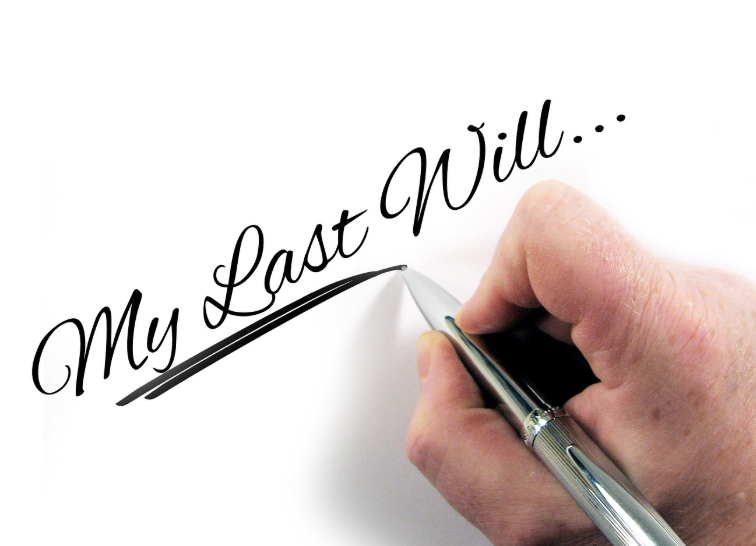
Having a will is an important part of estate planning, but it does not necessarily determine what happens to every asset after someone dies.

Many people assume that once a will is legally signed, it becomes the controlling document for distributing their entire estate. However, estate planning can be more complicated than that.

Certain financial accounts, property ownership arrangements, and legal designations may determine how specific assets are transferred, sometimes independently of the instructions outlined in a will.

Here are five important documents and arrangements that can affect an estate:

1. Beneficiary Designations

Life insurance policies, retirement accounts, and certain financial assets typically pass to the individuals named on their beneficiary designation forms. These designations may take precedence over instructions in a will.

2. Joint Ownership Agreements

How property or financial accounts are jointly owned can determine whether ownership automatically transfers to a surviving co-owner after death.

3. Transfer-on-Death (TOD) Designations and Deeds

Depending on state law and the type of asset, Transfer-on-Death arrangements can allow certain assets or real estate to pass directly to designated beneficiaries without going through probate.

4. Power of Attorney Documents

A power of attorney authorizes another person to make financial or legal decisions on someone’s behalf while they are alive and the document remains effective. Generally, this authority terminates upon the individual’s death.

5. Handwritten Notes and Personal Instructions

Personal letters, handwritten wishes, and informal notes may communicate someone’s intentions to family members. However, they generally do not replace legally valid estate-planning documents.

Estate Planning Requires More Than Just a Will

An effective estate plan involves ensuring that all relevant documents and arrangements work together.

This may include:

  • Beneficiary designation forms
  • Property deeds and ownership titles
  • Bank and financial account ownership records
  • Powers of attorney
  • Healthcare directives
  • Wills and, where appropriate, trusts

When these documents are inconsistent or outdated, families may encounter unexpected complications, disagreements, or delays during the estate administration process.

The Bottom Line

A will is an essential estate-planning tool, but it may not control every asset or decision. Reviewing beneficiary designations, property titles, account ownership, and other legal documents regularly can help reduce confusion and ensure that an estate plan reflects a person’s current wishes.

Disclaimer: This article is for general educational purposes only and does not constitute legal advice. Estate-planning laws, probate requirements, and the effect of individual documents vary by state and asset type. Consult a qualified estate-planning attorney for guidance regarding your specific circumstances.

Continue Reading

Trending