Community
Clarkstown Town Clerk Lauren Marie Wohl Celebrates Over 118 Weddings in 2025, Honors June Newlyweds

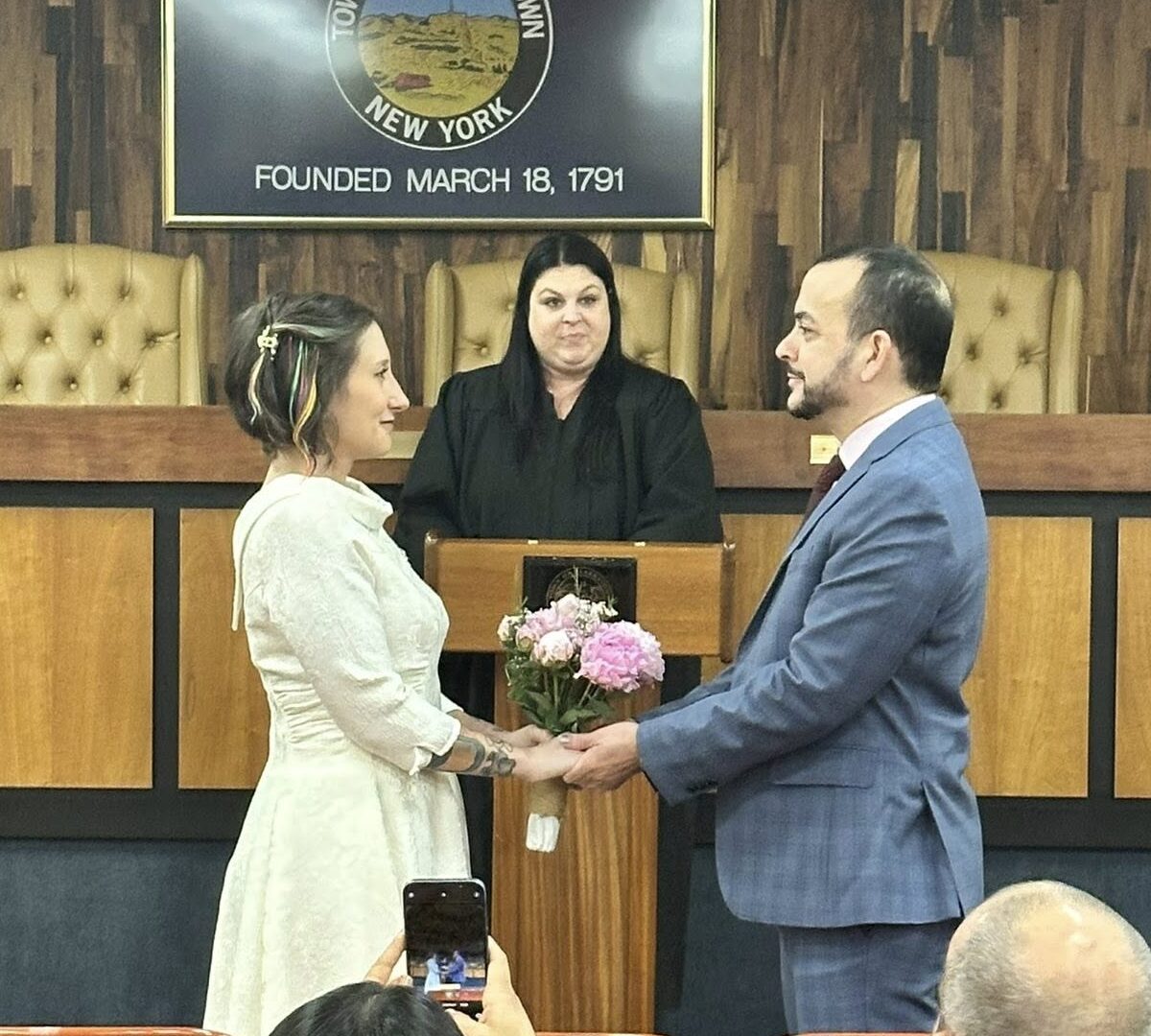
NEW CITY, NY — Love is in the air in Clarkstown, where Town Clerk Lauren Marie Wohl has been busy helping local couples say “I do.” As of this year, Clerk Wohl has already officiated more than 118 weddings, marking a record pace in 2025.

Most recently, Wohl presided over a series of May ceremonies, celebrating couples who chose to begin their lives together in the heart of Rockland County.
“I’m honored to celebrate the May newlyweds who are embarking on an extraordinary journey together,” said Clerk Lauren Marie Wohl. “Thank you for trusting me to be part of your unforgettable day.”

Known for her warm, personal approach, Wohl continues to be a popular choice for Clarkstown couples looking for an officiant who brings both professionalism and heartfelt care to their ceremonies.
Residents are encouraged to reach out to the Clarkstown Town Clerk’s Office for information on scheduling marriage ceremonies and obtaining marriage licenses.




Home Depot Offers Free Kids Workshops on the First Saturday of Every Month

Rockland County Wendy’s to Honor Foster and Adoptive Families November 18

Lowe’s Offering Free Holiday Engine Workshop for Kids November 14

Kratom 7-OH: Addiction, Overdose Risks and FDA Warning

Haverstraw Police Join No-Shave November to Support Cancer Awareness 2026

Rockland County Warming Center Opens November 1 for Winter

A Taste of Tradition: Leonardo’s Italian Deli & Catering Serves Up Authentic Flavor in New City

Town of Clarkstown Unveils New Fitness Equipment at Street Community Center

Ayoo Chill Wows Crowd with Powerful Rendition of “Nessun Dorma” at Rockland Music Fest at Nanuet Town Centre
-
 Community1 week ago
Kratom 7-OH: Addiction, Overdose Risks and FDA Warning
-
Police/Fire/EMS1 week ago
Haverstraw Police Join No-Shave November to Support Cancer Awareness 2026
-
Government1 week ago
Rockland County Warming Center Opens November 1 for Winter
-
Government1 week ago
Rockland County HEAP 2026-2027: Applications Open November 2