Community
Clarkstown Opens All-Inclusive Playground in New City Honoring Late Councilman Mark Woods

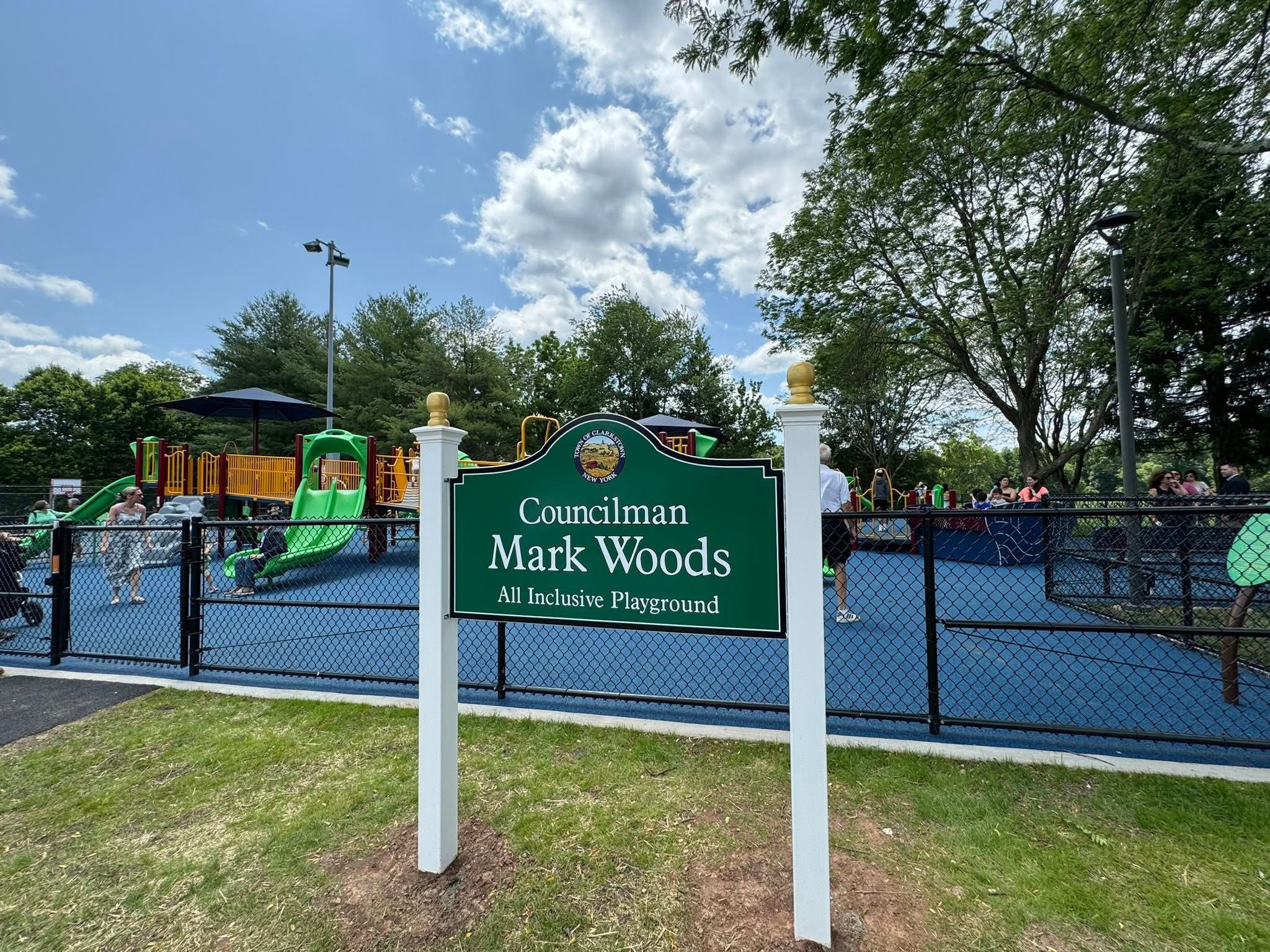
NEW CITY, NY — Town of Clarkstown Supervisor George Hoehmann and the Town Board will officially opened the new Councilman Mark Woods All-Inclusive Playground at Zukor Park during a dedication ceremony on Friday, June 20. The park is located at 31 Zukor Road in New City, NY.
The state-of-the-art playground was designed to be fully accessible for children and families of all abilities. Features include inclusive play equipment, a sun awning, safety surfacing, and new landscaping and walkways that ensure easy navigation for individuals with mobility challenges.
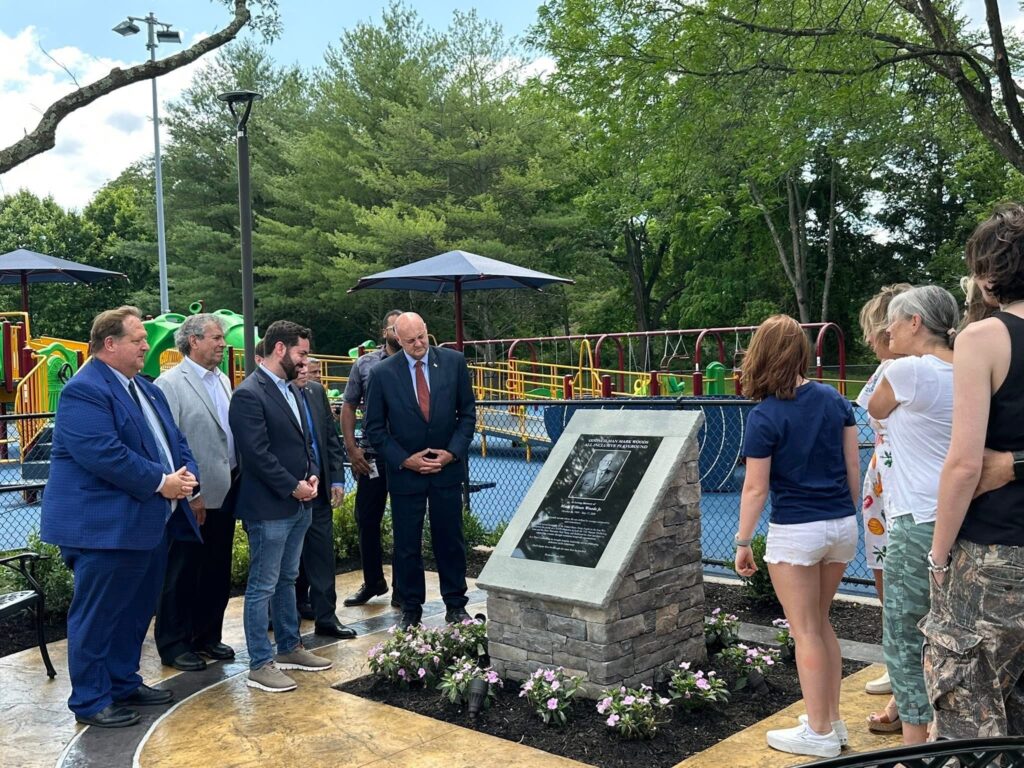
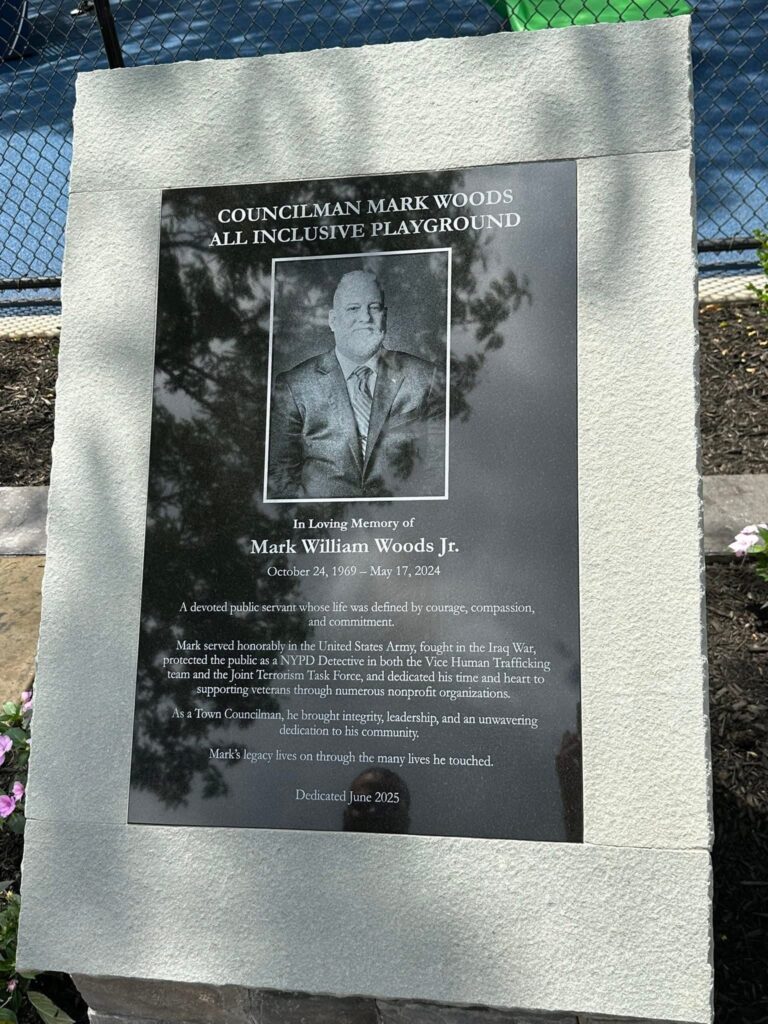
This important community project is named in honor of Councilman Mark Woods, who passed away unexpectedly last year. Before his passing, Woods worked closely with Supervisor Hoehmann on plans to bring this vision to life.
“Councilman Woods was passionate about creating inclusive spaces for every family in our community,” said Supervisor Hoehmann. “This playground is a tribute to his legacy and the values he championed.”
Congressman Mike Lawler Remarks
The new facility at Zukor Park aims to promote social interaction, physical activity, and fun in a safe, welcoming environment for children of all abilities, reinforcing Clarkstown’s commitment to accessibility and community wellness.




Apple Picking, Pumpkins and Hayrides: Fall Is Back at Dr. Davies Farm

Lafayette Theatre Packs October With Movies, Halloween Events and Local Premiere

Finkelstein Library Toy Drive & Swap Set for October 18

Stony Point Fall Festival Set for October 3 as Part of America 250

We’re Back: A Note to Our Readers After Website Updates

In Plain Sight World Premiere at Penguin Rep Theatre | Sept. 25–Oct. 18, 2026

A Taste of Tradition: Leonardo’s Italian Deli & Catering Serves Up Authentic Flavor in New City

Town of Clarkstown Unveils New Fitness Equipment at Street Community Center

Ayoo Chill Wows Crowd with Powerful Rendition of “Nessun Dorma” at Rockland Music Fest at Nanuet Town Centre
-
 Police/Fire/EMS3 days ago
Stony Point Fall Festival Set for October 3 as Part of America 250
-
 Uncategorized3 days ago
We’re Back: A Note to Our Readers After Website Updates
-
Entertainment2 days ago
In Plain Sight World Premiere at Penguin Rep Theatre | Sept. 25–Oct. 18, 2026
-
Police/Fire/EMS2 days ago
Clarkstown Welcomes New K-9 Argo to Police Department