Emergencies Can Happen Anytime: Is Your Family Prepared?
Emergencies rarely happen when it is convenient. A severe storm, extended power outage, house fire, medical emergency or other unexpected event can quickly disrupt everyday life. Taking a little time now to prepare can make a major difference when something goes wrong.
Here are some simple steps every household should consider.
Build an Emergency Kit
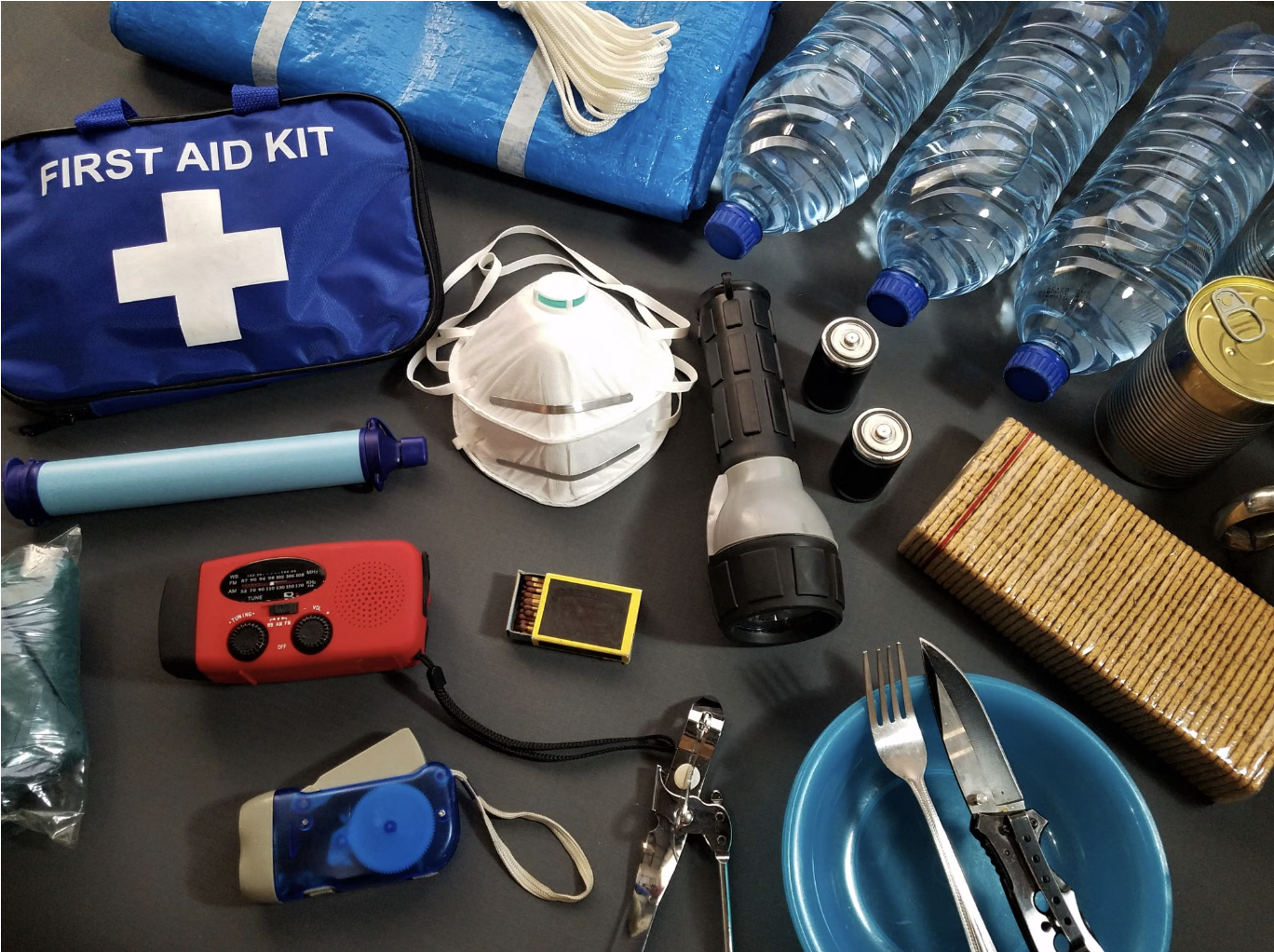
Keep basic supplies in a place that is easy to access. Your kit should include:
- Bottled water and several days of nonperishable food
- Flashlights and extra batteries
- A battery-powered or hand-crank radio
- First-aid supplies
- Necessary medications and medical supplies
- Phone chargers and backup power banks
- Blankets and warm clothing
- Copies of important documents
- Cash in small denominations
- Basic tools and household supplies
Remember to check your supplies periodically and replace expired food, batteries and medications.
Have a Plan for Power Outages
Winter storms, high winds and equipment failures can leave homes without electricity for hours or even days. Know where your flashlights are, keep devices charged and have alternative ways to stay warm.
If you use a generator, never operate it inside a home, garage or other enclosed space. Generators must be kept outdoors and away from doors, windows and vents because of the risk of deadly carbon monoxide poisoning.
Know What to Do in a House Fire
Make sure everyone in your household knows two ways to get out of every bedroom and where to meet outside.
Test smoke and carbon monoxide alarms regularly and replace batteries as recommended. If a fire occurs, get outside and stay outside. Do not go back inside for pets or belongings.
Prepare for Severe Weather
Severe thunderstorms, high winds, flooding and winter storms can develop quickly. Keep an eye on weather alerts and know where you would go in your home if you need to shelter.
During a severe storm, bring outdoor furniture and other loose objects inside when possible. Avoid driving through flooded roads — even a relatively small amount of moving water can be dangerous.
Be Ready for a Medical Emergency
Keep a well-stocked first-aid kit at home and learn basic first aid and CPR if you can.
Make sure family members know where important medications are located and have a list of medications, allergies and emergency contacts readily available. For a life-threatening emergency, call 911.
Make a Family Communication Plan
If an emergency separates family members, everyone should know how to reconnect.
Choose an emergency contact outside your immediate area and establish a meeting place. Make sure children know their full name, address and how to call 911.
Don’t Forget Your Pets
Pets need an emergency plan, too. Keep food, water, medications, leashes, carriers and copies of veterinary records with your emergency supplies. Identify pet-friendly shelters or hotels before an emergency occurs.
A Few Minutes of Preparation Can Save Precious Time
You do not have to prepare everything at once. Start with a basic emergency kit, make a family communication plan and learn what emergencies are most likely in your area.
The goal isn’t to expect the worst. It’s to be ready so that, when an emergency does happen, you can focus on keeping yourself and your loved ones safe.