Today, families stroll along the Haverstraw waterfront, enjoy panoramic views of the Hudson River, dine at waterfront restaurants, and gather at parks that overlook one of the widest stretches of the river.
But for more than a century, this shoreline looked—and sounded—very different.
Long before it became a destination for recreation and tourism, the Haverstraw waterfront was one of America’s busiest industrial corridors, earning the village an international reputation as the “Brickmaking Capital of the World.”
A River That Built a Community
Haverstraw’s history has always been tied to the Hudson River.
In 1609, English explorer Henry Hudson, sailing for the Dutch East India Company, anchored in what is now Haverstraw Bay during his exploration of the river that would eventually bear his name. The broad bay offered a natural harbor and later became an important transportation route for commerce and settlement.
The name “Haverstraw” first appeared on Dutch maps in 1616 as Haverstroo, meaning “oat straw,” a reference to the grasses that lined the riverbanks.
The Clay That Built New York City
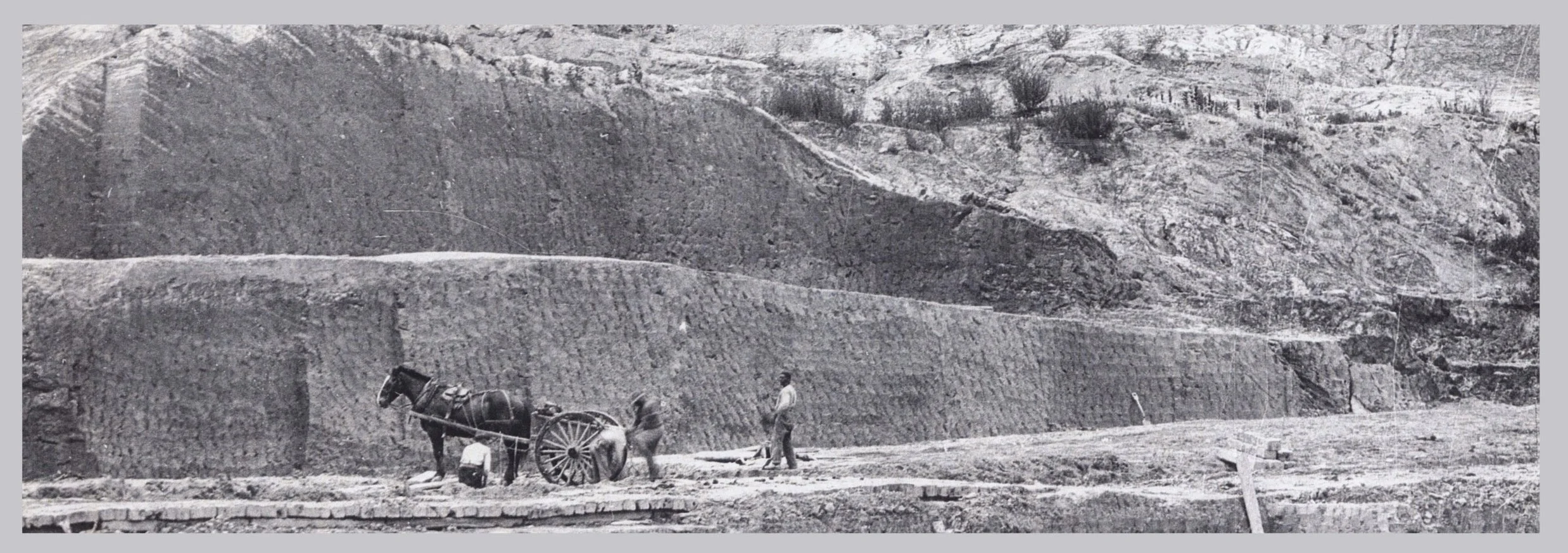
The discovery of rich yellow and blue clay deposits along the Hudson transformed Haverstraw forever.
Brickmaking began in the late 18th century, but the industry exploded after James Wood established the first commercial brickyard in 1815. Over the following decades, dozens of brick manufacturers lined the waterfront.
By 1883:
- More than 40 brick yards operated along the Hudson.
- Approximately 2,400 workers were employed.
- More than 300 million bricks were produced annually.
Many of those bricks were shipped by barge to New York City, where they helped construct homes, schools, factories, churches, and iconic brownstone neighborhoods throughout Manhattan and Brooklyn. Historians estimate that at one time, more than two-thirds of New York City’s buildings were constructed using Haverstraw brick.
Life Along the Waterfront
The waterfront was a hive of activity.
Steamships arrived daily to transport bricks, agricultural products, and passengers. Freight docks bustled with workers loading barges bound for New York City, while smoke rose from the massive brick kilns lining the shoreline.
The industry attracted immigrants from Ireland, Italy, Eastern Europe, and other parts of the world, helping shape the diverse community that still defines Haverstraw today. Entire neighborhoods grew around the brickyards, and many families depended on the industry for generations.
Tragedy Strikes
The success of the brick industry came at a cost.
Years of excavating clay beneath steep hillsides weakened the land surrounding the village. On January 8, 1906, disaster struck when a massive landslide buried part of Haverstraw’s business district.
Nineteen people lost their lives, dozens of buildings were destroyed, and the tragedy remains one of the deadliest natural disasters in Rockland County’s history. The collapse was directly linked to years of clay mining beneath the village.
The End of an Era
By the 1930s, the Great Depression, increased competition, and the introduction of new construction materials led to a steady decline in brick manufacturing.
The last Haverstraw brickyard closed in 1941, ending an industry that had defined the waterfront for more than 100 years.
A New Beginning
For decades after the brickyards closed, much of the waterfront sat underused as former industrial properties awaited new life.
Beginning in the late 20th century, local leaders launched a long-term effort to reclaim the shoreline through environmental cleanup, planning, and redevelopment. State and local waterfront revitalization initiatives helped transform former industrial land into public spaces, housing, marinas, and recreational areas.
Today, the Haverstraw waterfront features:
- Scenic riverwalks
- Public parks and green space
- Marinas
- Restaurants
- Residential developments
- Community events overlooking the Hudson River
The transformation has turned an industrial shoreline into one of Rockland County’s most popular riverfront destinations.
Preserving the Past
Although the brick kilns are gone, Haverstraw’s industrial legacy remains visible.
The Haverstraw Brick Museum preserves artifacts, photographs, and stories from the community’s brickmaking era, ensuring future generations understand how the Hudson River shaped both the village and New York City.
Walking along the waterfront today, it’s easy to admire the sweeping river views. But beneath the parks and promenades lies the foundation of a community whose clay, craftsmanship, and hardworking residents helped build one of the world’s greatest cities.
Detail Photo of Haverstraw Clay Bank, Circa 1905, Dan DeNoyelles Collection, ©Haverstraw Brick Museum Archives