Connect with us

Community

Clarkstown Dedicates Street in Honor of Legendary Resident, WWII Veteran & Congers Fire Department Volunteer – Al Magnatta

Published

on

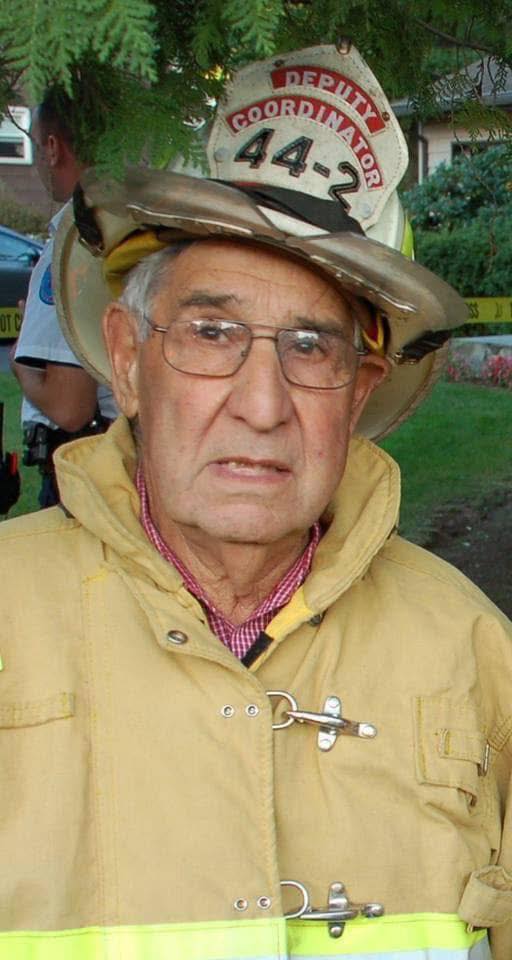
The Town of Clarkstown has proudly dedicated Chauncy Street in Congers in honor of Al Magnatta, a remarkable community figure whose life of service and dedication has left an indelible mark on Rockland County.

At 100 years old, Al Magnatta is a World War II veteran, lifelong Rockland County resident, small business owner, and a pillar of the Congers Fire Department. He first joined the department in 1946 and went on to serve as Rockland County’s longest-tenured Deputy Fire Coordinator, holding the position for over 40 years since 1962.

This street dedication is a heartfelt recognition of Al’s unwavering commitment to public service, community safety, and the values that define true heroism.

Congratulations, Al, on this well-deserved honor! Your legacy continues to inspire generations to come.

Community

D-Day Remembrance Day: Honoring the Allied Invasion of Normandy on June 6, 1944

Published

on

On June 6, 1944, Allied forces launched D-Day (Normandy landings), part of Operation Overlord — the massive amphibious assault on Nazi-occupied France along the beaches of Normandy.

It became one of the largest and most consequential military operations of World War II, involving thousands of ships, aircraft, and ground troops from multiple Allied nations. The landings took place across five beaches — Omaha, Utah, Gold, Juno, and Sword — in a coordinated effort that would shape the course of the war in Europe.

The operation marked a decisive turning point, eventually leading to the liberation of Western Europe from Nazi control. The fighting on D-Day came at a tremendous cost, with thousands of soldiers killed or wounded on the first day alone.

Today, D-Day is remembered not only as a major military milestone, but as a moment defined by extraordinary courage, sacrifice, and unity among ordinary people called to an extraordinary mission.

                       We honor and remember those who never made it home.

Continue Reading

Community

Protect Yourself and Your Loved Ones from Scams | Senior Fraud Prevention Tips

Published

on

Scammers often target older adults by pretending to be family members, government agencies, banks, healthcare providers, or technical support representatives. Their goal is to create panic, gain trust, and convince victims to send money or provide personal information.

Common Scams Targeting Seniors

• Grandparent scams involving fake emergencies and urgent requests for money

• Tech support scams claiming your computer has a virus or security problem

• Fake IRS, Social Security, Medicare, or law enforcement calls

• Lottery and sweepstakes scams promising prizes in exchange for fees

• Romance scams through social media, dating websites, and messaging apps

• Bank fraud and account compromise scams

• Investment and cryptocurrency scams promising guaranteed returns

Protect Yourself

✅ Never send money, gift cards, cryptocurrency, or wire transfers to someone you do not know or have not verified.

✅ Verify any urgent request by contacting a trusted family member, friend, or organization directly using a known phone number.

✅ Never provide personal, banking, Medicare, or Social Security information over the phone unless you initiated the contact and trust the recipient.

✅ Be cautious of callers who pressure you to act immediately, threaten consequences, or demand secrecy.

✅ Legitimate government agencies, financial institutions, and law enforcement organizations generally do not demand immediate payment by gift card, cryptocurrency, wire transfer, or other unconventional payment methods.

✅ If something sounds too good to be true, it probably is.

What To Do If You Suspect a Scam

📞 Hang up the phone or end the communication.

🛑 Stop responding to calls, texts, emails, or messages from the suspected scammer.

👨‍👩‍👧 Contact a trusted family member, friend, or caregiver.

📋 Report the incident to your local law enforcement agency, financial institution, or the appropriate consumer protection authorities.

Working together, we can help protect our community from fraud and scams. Stay informed, stay alert, and share this information with family, friends, and neighbors.

Continue Reading

Trending