Connect with us

Business

Ole’ Tapas Restaurant and Bar in Suffern Will Not Re-Open

Published

on

SUFFERN, NY – The popular Mexican restaurant and bar – Ole’ Tapas located in the Village of Suffern has announced they will not be re-opening. They released the following statement on social media:

It is with a heavy heart that we announce that Ole’ Ole’ and Ole’ Tapas will not reopen. Ole’ Ole’ has been a part of the Village of Suffern for 20+ years and the decision to not reopen was an extremely difficult one. To say we are grateful to our loyal customers is an understatement. So many of you have become family to us over the years and for that we are forever grateful. We’ve been so fortunate to host birthday, anniversary, retirement, baptisms and weddings for so many of our customers that you truly are an extension of the Ole’ family. We’d also like to thank our hardworking and dedicated employees. Many of you have poured your heart and souls into Ole’ and helped us grow the business to where it is today. We never could’ve done it without you.

As one door closes another one always opens. Having said that, we sincerely hope that you will visit us at our new restaurant Sol https://www.solrestaurantnj.com/ located in Woodcliff Lake, NJ. We are open 7 days a week for curbside and many of the dishes from Ole’ Ole’ are on the menu. We also make the same red sangria and house margaritas that many of you have grown to love over the years!

We hope all of you are healthy and hanging in there during these difficult times. Please don’t be strangers! #blessed #thankyou

Sincerely,

Eric and Jacqui Canto and the entire Ole’ family

Continue Reading
Advertisement

Business

Ruby-Throated Hummingbirds Return to Hudson Valley: How to Attract Them

Published

on

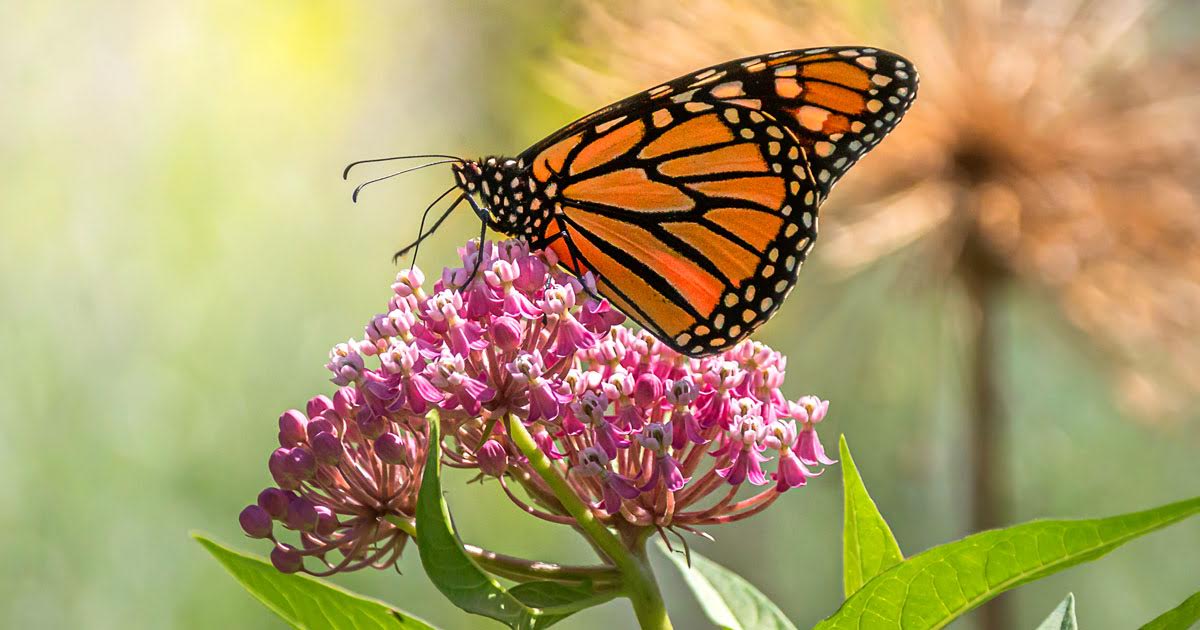
Ruby-throated hummingbird are arriving across the Northeast, including the Hudson Valley, as part of their annual spring migration from Central America and southern Mexico. Early arrivals begin in mid-to-late April, with populations typically established in Rockland and Bergen counties by late May. Males arrive first to claim feeding territories.

Homeowners can attract hummingbirds by planting nectar-rich, native flowers such as bee balm, columbine, cardinal flower, coral bells, salvia, trumpet vine, and jewelweed. Bright, tubular blooms in red, orange, and pink are especially effective.

Local garden center Down to Earth Living recommends additional steps like using a simple sugar-water feeder (1:4 ratio, no dye), providing shrubs for shelter, adding a water source, and avoiding pesticides.

Beyond their beauty, hummingbirds help pollinate plants, control insects, and support biodiversity. Creating a welcoming habitat can sustain them through their breeding season, which lasts from spring into early fall.

Gardeners can find hummingbird-friendly plants and supplies at Down to Earth Living, which is also offering free repotting with plant or pot purchases this spring.

Continue Reading

Business

Down to Earth Living Highlights Benefits of Indoor Plants for Health and Air Quality

Published

on

Indoor plants have become a popular addition to homes and workplaces, valued not only for their aesthetic appeal but also for their wide-ranging health benefits. From improving air quality to enhancing mental well-being, these natural elements can transform indoor environments.

Benefits of Indoor Plants

Improved Air Quality
Plants naturally absorb carbon dioxide and release oxygen through photosynthesis. Research, including NASA’s Clean Air Study, has shown that certain plants—such as spider plants, peace lilies, and snake plants—can help remove indoor pollutants like benzene, formaldehyde, and trichloroethylene.

Enhanced Mental Health and Productivity
Studies published in the Journal of Physiological Anthropology indicate that interacting with plants can reduce stress and promote relaxation. Additional research in Environmental Psychology found that workplaces with plants experienced up to a 15 percent increase in productivity.

Aesthetic Appeal
Indoor plants enhance interior spaces by softening architectural lines and adding natural beauty. Popular varieties like fiddle-leaf figs, pothos, and succulents complement a wide range of décor styles. The National Gardening Association reports that visual appeal is one of the primary reasons people incorporate plants into their homes.

Physical Health Benefits
Plants can increase indoor humidity, potentially reducing issues caused by dry air such as sore throats, coughs, and dry skin. They may also help absorb sound, contributing to quieter indoor environments.

Ease of Care
Many indoor plants are low-maintenance and adaptable to different lighting conditions. Hardy options such as pothos, ZZ plants, and succulents make it easy for beginners to enjoy the benefits of greenery.

Indoor plants do more than enhance décor—they contribute to cleaner air, improved well-being, and a more vibrant living or working space.

Down to Earth Living’s expanded indoor plant showroom is now open for the spring season, offering a wide variety of plants. Customers can also take advantage of a complimentary repotting service with the purchase of a pot.

Continue Reading

Trending