Connect with us

Community

Catholic Charities Community Services of Rockland Receives Generous Donation of 7,760 Pairs of Socks

Published

on

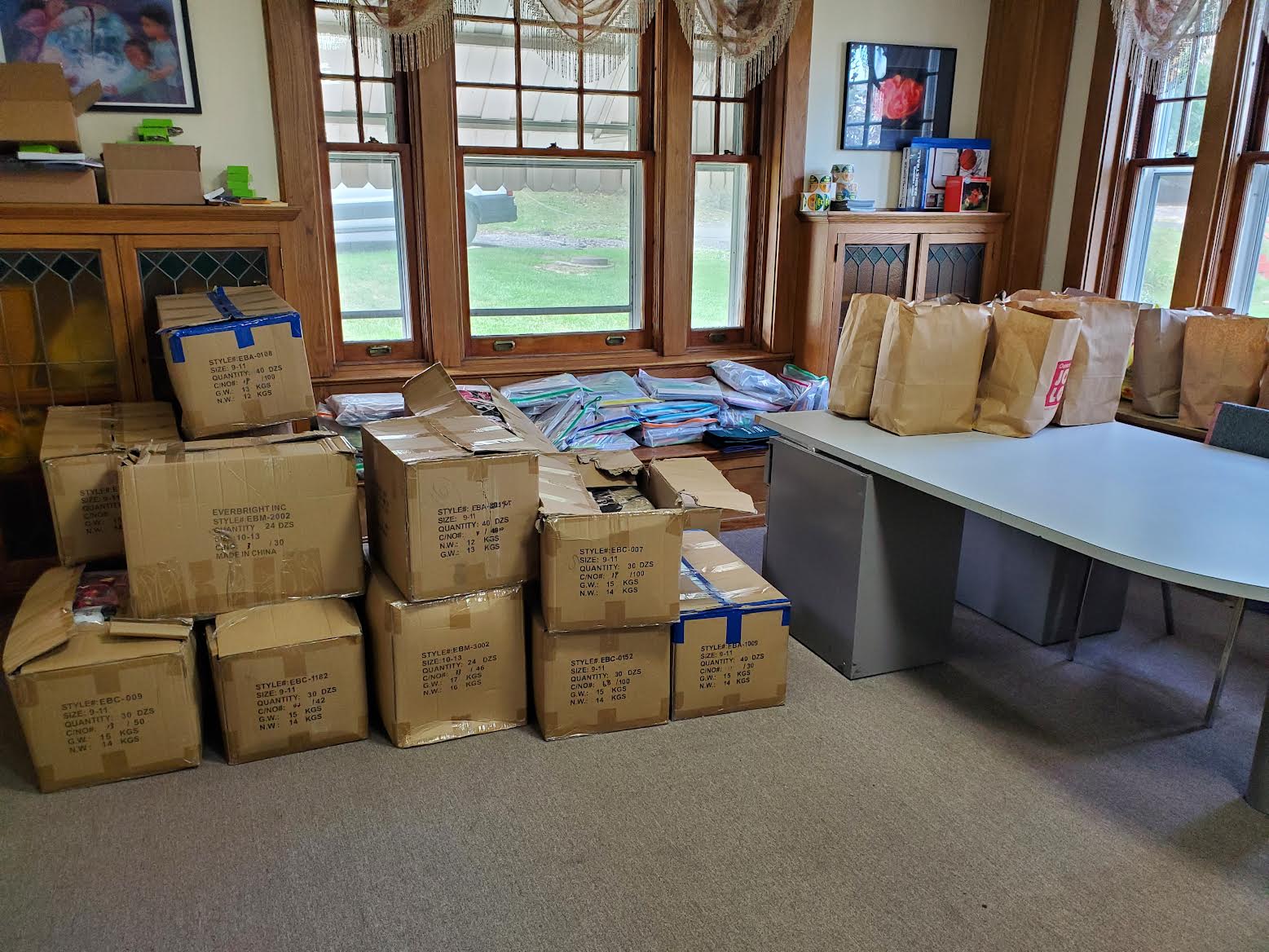
Catholic Charities Community Services of Rockland (CCCSR) is delighted to announce the generous donation of 7,760 pairs of socks from local community member, Jay Cohen. The socks will be distributed to individuals and families in need across Rockland, Dutchess, Orange, Sullivan, Ulster, and the New York City boroughs of Manhattan, Queens, and the Bronx.
The initial sock drive in 2023 was part of a charitable effort by a local networking organization which regularly supports various nonprofits across the area. This year, Jay Cohen of Advanced Security Consulting LLC continued the tradition on his own, raising $4,400 to purchase socks at cost or below, thanks to the support of generous partners. Ocean State Job Lot in New City played a special role in helping Cohen reach his goal by offering a 30% discount off their already low prices, allowing him to buy a thousand pairs of socks and clear their shelves.
Cohen’s donation aims to help those in need stay warm and comfortable as the colder months
approach. For people experiencing homelessness or struggling with financial hardship, having a new, clean pair of socks is a small yet meaningful gesture that can make a big difference. “The chance to help our neighbors in need, especially as the colder season approaches, is something I couldn’t pass up,” said Jay Cohen. “Socks are one of the most needed yet under-donated items, and I’m so glad that we could make a difference through this drive. A huge thank you to everyone who supported this effort—it’s a testament to what our community can accomplish together.”

For more information on how to support Catholic Charities Community Services of Rockland or to learn about their services, please visit www.ccsrockland.org.

Continue Reading
Advertisement

Community

Heat Safety Tips: How to Stay Safe During Hot Summer Weather

Published

on

As temperatures rise, so does the risk of heat-related illness. Spending time outdoors, working in the heat, or even staying in a home without adequate cooling can lead to dehydration, heat exhaustion, or heat stroke if proper precautions aren’t taken.

How to Stay Cool

  • Drink plenty of water throughout the day, even if you don’t feel thirsty.
  • Avoid sugary drinks and excessive alcohol, which can contribute to dehydration.
  • Wear lightweight, loose-fitting, light-colored clothing.
  • Stay in air-conditioned buildings whenever possible, or seek shade if you’re outdoors.
  • Limit strenuous outdoor activities during the hottest part of the day, typically between 10 a.m. and 4 p.m.
  • Take frequent breaks if working or exercising outside.
  • Use sunscreen and wear a wide-brimmed hat to protect yourself from direct sunlight.

Protect Children, Older Adults, and Pets

Young children, older adults, people with chronic medical conditions, and outdoor workers are at greater risk for heat-related illness. Check on elderly neighbors and relatives during periods of extreme heat.

Pets are also vulnerable. Always provide fresh water and shade, avoid walking dogs on hot pavement, and never leave a child or pet unattended in a parked vehicle—even for a few minutes.

Know the Signs of Heat Stroke

Heat stroke is a life-threatening medical emergency. Symptoms may include:

  • Hot, dry, or flushed skin
  • Rapid pulse
  • Rapid, shallow breathing
  • Body temperature above 105°F
  • Confusion, dizziness, disorientation, or unconsciousness

If someone is showing signs of heat stroke, call 911 immediately. Move the person to a cooler location, loosen or remove excess clothing, and begin cooling them with cool water, wet towels, or ice packs while waiting for emergency responders.

Taking simple precautions can help you and your family stay safe, healthy, and cool throughout the summer.

Continue Reading

Community

Fawn Season Is Underway: Why You Should Leave Baby Deer Alone

Published

on

As fawning season continues across the Hudson Valley, wildlife experts are reminding residents that if you come across a young fawn lying alone, the best thing you can do is leave it where it is.

Although it may appear abandoned, it is completely normal for a mother deer (doe) to leave her fawn alone for several hours while she forages for food. Does often hide their fawns in tall grass, gardens, wooded areas, or even near homes, where they hope predators will be less likely to approach.

The doe typically returns only a few times each day to nurse her fawn and may move it to a new location once it is safe. If people or pets are nearby, the mother may delay returning to avoid drawing attention to her baby.

Wildlife officials urge residents not to touch, move, or attempt to rescue a fawn unless it is clearly injured or its mother is confirmed to be dead.

Pet owners are also encouraged to keep dogs leashed when walking near wooded areas or tall grass during the next several weeks to avoid disturbing hidden fawns.

Remember: A fawn lying quietly by itself is usually not abandoned—it’s exactly where its mother expects it to be.

Continue Reading

Trending