Connect with us

Government

Daylight Saving Time Starts Sunday March 10th Check your Emergency Supply Kit, Smoke and Carbon Monoxide Alarms


Published

on

Use Daylight Saving Time to not only change your clocks, but to update your emergency supply kit. Is it missing any items? Is anything out-of-date, leaking, or damaged?

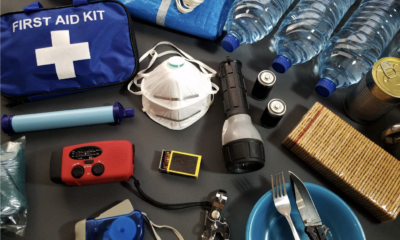
Don’t have an emergency supply kit yet? Now is the time to put one together! Have a several-day supply of food and water stored in your home, with at least one gallon of water per person per day. Choose foods that are ready to eat, such as peanut butter and canned meats, fruits, and vegetables. Remember your pets too! They need their own food and water. Your emergency supply kit should also contain flashlights, a hand-operated can opener, a radio, batteries, and copies of important documents. Depending on your family’s needs, you may also need other supplies.

“Make sure your supplies are relatively up to date, check for expiration dates on your batteries and food, and make sure you keep your supplies in a dry and cool place away from direct sunlight,” said Eric Medina, Director of Emergency Preparedness/Public Health.

Daylight Saving Time is also a great time to test your smoke alarms and carbon monoxide alarms and change replaceable batteries, if needed. Following is information from the National Fire Protection Association (NFPA):

  • Smoke alarms with non-replaceable 10-year batteries are designed to remain effective for up to 10 years. If the alarm chirps, warning that the battery is low, replace the entire smoke alarm right away.
  • Smoke alarms with any other type of battery need a new battery at least once a year. If that alarm chirps, warning the battery is low, replace the battery right away.
  • When replacing a battery, follow manufacturer’s list of batteries on the back of the alarm or manufacturer’s instructions. Manufacturer’s instructions are specific to the batteries (brand and model) that must be used. The smoke alarm may not work properly if a different kind of battery is used.

The Rockland County Department of Health’s Healthy Neighborhoods Program can assist low to moderate-income residents and seniors, at no charge, with battery changes and alarm replacements as supplies last. For more information, call (845) 364-3290.

For more information about being prepared for emergencies, visit the Rockland County Department of Health’s Emergency Preparedness web page.

Continue Reading
Advertisement

Government

Report Litterbugs in Rockland County Through Keep Rockland Beautiful Program

Published

on

Littering is illegal and can result in fines for those who commit the offense. Some litterbugs simply need to be informed and reminded that littering — whether deliberate or unintentional — can end with a personal commitment to stop.

The Keep Rockland Beautiful Report-A-Litterbug Program encourages the public to report people who litter in an effort to help make Rockland County’s roadways cleaner. The program provides every individual with an opportunity to be an active participant in reducing litter.

If you see someone littering from their car, or trash blowing out from the back of a truck, the Rockland County Sheriff’s Office will send the vehicle owner a warning letter based on your report to Keep Rockland Beautiful.

To report a litterbug, visit: Keep Rockland Beautiful Report-A-Litterbug Program

Continue Reading

Government

Senate Approves Bill Expanding SPCA Fingerprinting Access

Published

on

A bipartisan bill sponsored by Pete Harckham aimed at helping SPCAs across New York more effectively investigate and prosecute animal cruelty cases has passed the State Senate unanimously.

The legislation, S.1664, would authorize SPCA officers statewide to access the same live scan fingerprinting system currently used by law enforcement agencies following an arrest. Supporters say the measure would streamline arrest processing, improve officer efficiency, and help prevent suspects from avoiding prosecution.

At present, many SPCA officers in New York must rely on outside law enforcement agencies to process fingerprints after making an arrest, often causing delays.

“SPCA officers must have the tools and resources they need to protect defenseless animals from cruelty and neglect and the public at large from serial abusers,” Harckham said in a statement. “With access to live scan fingerprinting, officers can quickly determine whether a suspect has a history of abuse or is wanted for other crimes.”

Harckham said the legislation was inspired by conversations with officers from the Putnam County SPCA, who reported that delays in fingerprint processing sometimes allowed suspects with outstanding warrants to remain free longer than necessary.

Chief Ken Ross of the Putnam County SPCA praised the bill’s passage, noting the connection between animal cruelty and other violent crimes.

“Animal cruelty crimes are especially disturbing because they target the most vulnerable,” Ross said. “These offenses are often linked to other forms of violence, including child abuse and domestic violence.”

According to supporters of the legislation, animal cruelty cases have increased across New York since the COVID-19 pandemic. SPCAs cite rising living costs, behavioral health challenges, and the expiration of eviction protections as contributing factors.

Data from Humane Society International indicates that 85% of individuals arrested for animal cruelty have prior arrests, many involving felony offenses. The organization also reports significant overlap between domestic violence and animal abuse cases.

If enacted into law, the bill would expand investigative capabilities for SPCAs statewide and strengthen coordination between animal welfare agencies and law enforcement officials.

Continue Reading

Trending