Connect with us

Business

Down To Earth Living The Many Benefits of Indoor Plants for Health, Productivity, and Aesthetics

Published

on

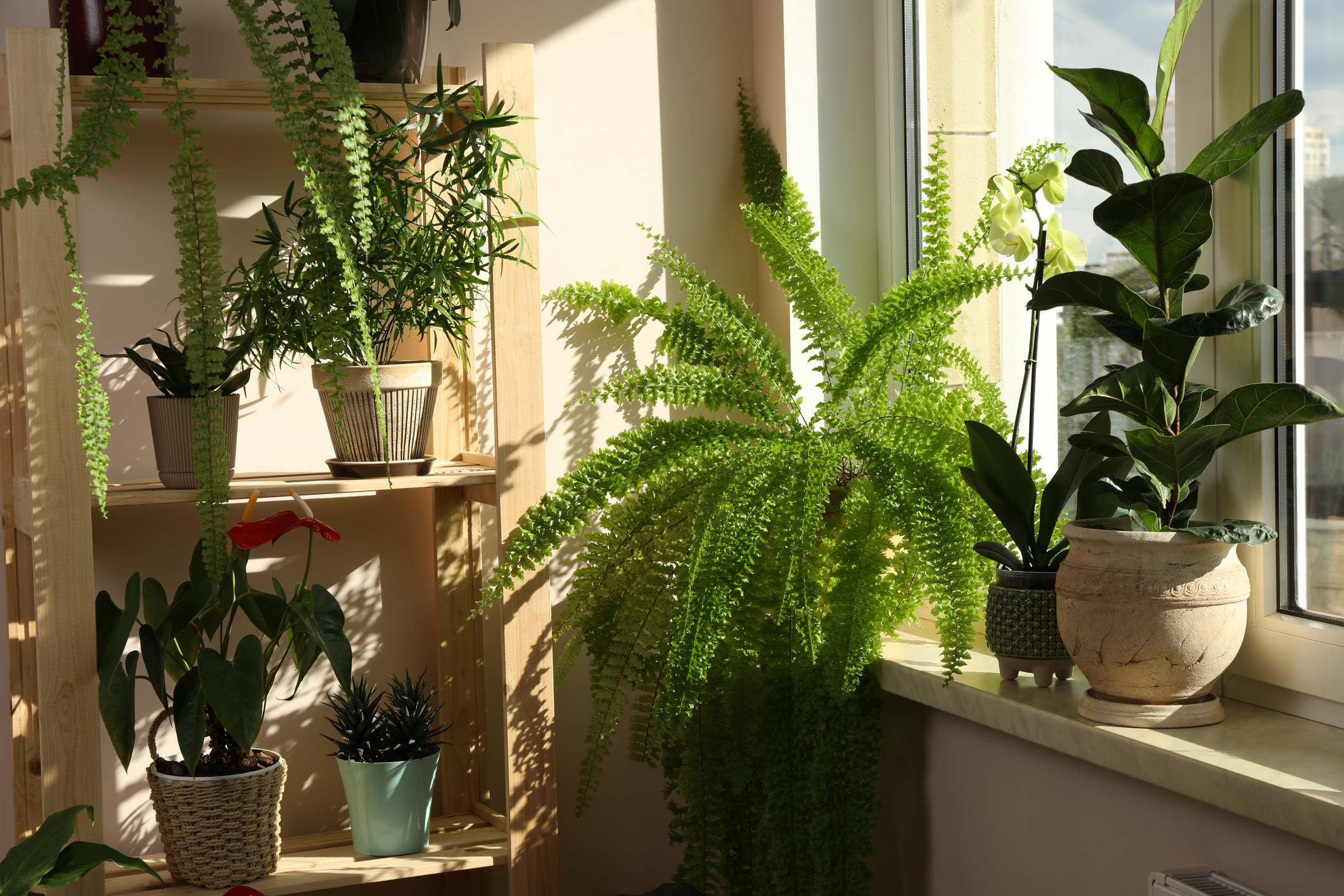
Indoor plants have become a popular addition to both homes and workplaces, offering much more than just aesthetic value. They provide numerous benefits, ranging from improving air quality to enhancing mental health. Here’s an overview of the positive effects indoor plants can have, backed by scientific research:

  1. Better Air Quality: Indoor plants are well-known for their ability to purify the air. Through photosynthesis, they absorb carbon dioxide and release oxygen, which refreshes indoor spaces. Research from NASA’s Clean Air Study highlights how plants like spider plants, peace lilies, and snake plants can remove harmful pollutants such as benzene, formaldehyde, and trichloroethylene, which are commonly found in household items like furniture and cleaning products.

  2. Improved Mental Health and Productivity: Indoor plants positively influence mental well-being. A study in the Journal of Physiological Anthropology showed that interacting with plants, like watering or trimming them, can lower stress and promote relaxation. Even in indoor environments, this connection with nature helps create a calming atmosphere that boosts overall well-being. In work settings, plants are linked to a 15% increase in employee productivity, as found in a study published in Environmental Psychology. The presence of greenery helps with focus and job satisfaction, making workplaces more stimulating and motivating.

  3. Aesthetic Value: Indoor plants can transform a room, making it more lively and inviting. They soften architectural features, fill empty spaces, and add a natural element to modern interior designs. A survey by the National Gardening Association revealed that many people choose to incorporate indoor plants into their homes or offices mainly for their aesthetic appeal.

  4. Health Benefits: Indoor plants can also support physical health by helping maintain optimal humidity levels, reducing issues caused by dry air, such as dry skin, sore throats, and coughs. Additionally, plants can absorb sound and reduce noise, making them especially beneficial in busy homes or open office spaces.

  5. Low Maintenance and Easy Accessibility: Many indoor plants are low-maintenance, making them ideal for people with little gardening experience. Plants like pothos, zz plants, and succulents are easy to care for and thrive in various lighting conditions, allowing anyone to enjoy the benefits of indoor plants without needing expert knowledge.

Incorporating indoor plants into your space is a simple yet effective way to enhance both the environment and your well-being. Not only do they purify the air and promote mental and physical health, but they also make your space more aesthetically pleasing. As research continues to confirm their many advantages, it’s clear that indoor plants are a worthwhile addition to any home or office.

Down to Earth, now celebrating its 53rd year, offers a wide range of indoor plants and is expanding its offerings for 2025. Their indoor plant showroom will open on March 13th for the spring season. Located in Pomona, Rockland County, the Down to Earth Living Garden Center spans 12.5 acres and offers a variety of perennials, flowers, shrubs, and trees, with new arrivals every week. Their 10,000-square-foot showroom also features a diverse selection of furniture made from teak, aluminum, and all-weather materials. The center is open daily from 9 a.m. to 5 p.m. and can be found at 1040 Route 45, Pomona. For more information, visit www.dteliving.com or call 845-354-8500.

Sources:

  • Wolverton, B. C., NASA Clean Air Study.
  • Journal of Physiological Anthropology, Effects of Indoor Plants on Stress Levels.
  • Environmental Psychology, Office Plants and Productivity.
  • Royal Horticultural Society, Benefits of Indoor Plants.
  • National Gardening Association, Indoor Plant Trends Survey.

Continue Reading
Advertisement

Business

Ruby-Throated Hummingbirds Return to Hudson Valley: How to Attract Them

Published

on

Ruby-throated hummingbird are arriving across the Northeast, including the Hudson Valley, as part of their annual spring migration from Central America and southern Mexico. Early arrivals begin in mid-to-late April, with populations typically established in Rockland and Bergen counties by late May. Males arrive first to claim feeding territories.

Homeowners can attract hummingbirds by planting nectar-rich, native flowers such as bee balm, columbine, cardinal flower, coral bells, salvia, trumpet vine, and jewelweed. Bright, tubular blooms in red, orange, and pink are especially effective.

Local garden center Down to Earth Living recommends additional steps like using a simple sugar-water feeder (1:4 ratio, no dye), providing shrubs for shelter, adding a water source, and avoiding pesticides.

Beyond their beauty, hummingbirds help pollinate plants, control insects, and support biodiversity. Creating a welcoming habitat can sustain them through their breeding season, which lasts from spring into early fall.

Gardeners can find hummingbird-friendly plants and supplies at Down to Earth Living, which is also offering free repotting with plant or pot purchases this spring.

Continue Reading

Business

Down to Earth Living Highlights Benefits of Indoor Plants for Health and Air Quality

Published

on

Indoor plants have become a popular addition to homes and workplaces, valued not only for their aesthetic appeal but also for their wide-ranging health benefits. From improving air quality to enhancing mental well-being, these natural elements can transform indoor environments.

Benefits of Indoor Plants

Improved Air Quality
Plants naturally absorb carbon dioxide and release oxygen through photosynthesis. Research, including NASA’s Clean Air Study, has shown that certain plants—such as spider plants, peace lilies, and snake plants—can help remove indoor pollutants like benzene, formaldehyde, and trichloroethylene.

Enhanced Mental Health and Productivity
Studies published in the Journal of Physiological Anthropology indicate that interacting with plants can reduce stress and promote relaxation. Additional research in Environmental Psychology found that workplaces with plants experienced up to a 15 percent increase in productivity.

Aesthetic Appeal
Indoor plants enhance interior spaces by softening architectural lines and adding natural beauty. Popular varieties like fiddle-leaf figs, pothos, and succulents complement a wide range of décor styles. The National Gardening Association reports that visual appeal is one of the primary reasons people incorporate plants into their homes.

Physical Health Benefits
Plants can increase indoor humidity, potentially reducing issues caused by dry air such as sore throats, coughs, and dry skin. They may also help absorb sound, contributing to quieter indoor environments.

Ease of Care
Many indoor plants are low-maintenance and adaptable to different lighting conditions. Hardy options such as pothos, ZZ plants, and succulents make it easy for beginners to enjoy the benefits of greenery.

Indoor plants do more than enhance décor—they contribute to cleaner air, improved well-being, and a more vibrant living or working space.

Down to Earth Living’s expanded indoor plant showroom is now open for the spring season, offering a wide variety of plants. Customers can also take advantage of a complimentary repotting service with the purchase of a pot.

Continue Reading

Trending