Connect with us

Community

Heat Safety Tips: How to Stay Safe During Hot Summer Weather

Published

on

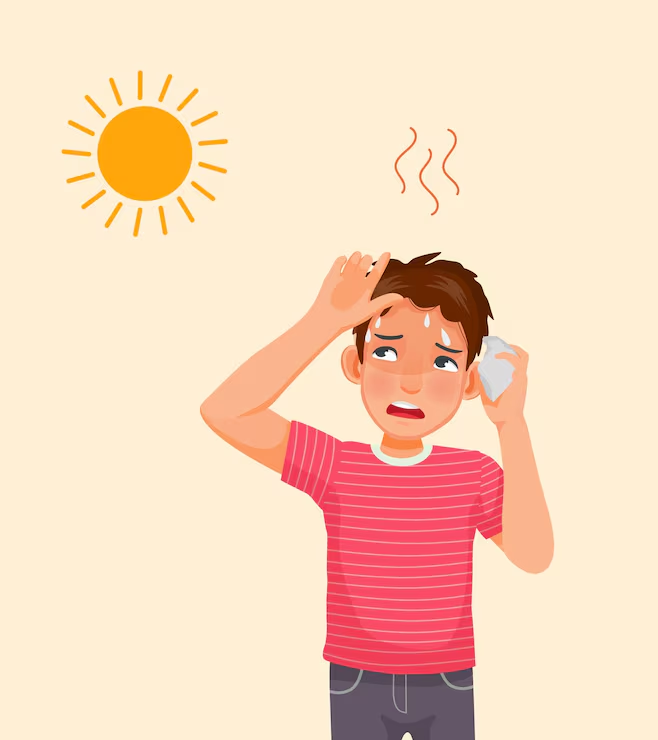
As temperatures rise, so does the risk of heat-related illness. Spending time outdoors, working in the heat, or even staying in a home without adequate cooling can lead to dehydration, heat exhaustion, or heat stroke if proper precautions aren’t taken.

How to Stay Cool

  • Drink plenty of water throughout the day, even if you don’t feel thirsty.
  • Avoid sugary drinks and excessive alcohol, which can contribute to dehydration.
  • Wear lightweight, loose-fitting, light-colored clothing.
  • Stay in air-conditioned buildings whenever possible, or seek shade if you’re outdoors.
  • Limit strenuous outdoor activities during the hottest part of the day, typically between 10 a.m. and 4 p.m.
  • Take frequent breaks if working or exercising outside.
  • Use sunscreen and wear a wide-brimmed hat to protect yourself from direct sunlight.

Protect Children, Older Adults, and Pets

Young children, older adults, people with chronic medical conditions, and outdoor workers are at greater risk for heat-related illness. Check on elderly neighbors and relatives during periods of extreme heat.

Pets are also vulnerable. Always provide fresh water and shade, avoid walking dogs on hot pavement, and never leave a child or pet unattended in a parked vehicle—even for a few minutes.

Know the Signs of Heat Stroke

Heat stroke is a life-threatening medical emergency. Symptoms may include:

  • Hot, dry, or flushed skin
  • Rapid pulse
  • Rapid, shallow breathing
  • Body temperature above 105°F
  • Confusion, dizziness, disorientation, or unconsciousness

If someone is showing signs of heat stroke, call 911 immediately. Move the person to a cooler location, loosen or remove excess clothing, and begin cooling them with cool water, wet towels, or ice packs while waiting for emergency responders.

Taking simple precautions can help you and your family stay safe, healthy, and cool throughout the summer.

Continue Reading
Advertisement
Click to comment

Leave a Reply

Your email address will not be published. Required fields are marked *

Community

Fawn Season Is Underway: Why You Should Leave Baby Deer Alone

Published

on

As fawning season continues across the Hudson Valley, wildlife experts are reminding residents that if you come across a young fawn lying alone, the best thing you can do is leave it where it is.

Although it may appear abandoned, it is completely normal for a mother deer (doe) to leave her fawn alone for several hours while she forages for food. Does often hide their fawns in tall grass, gardens, wooded areas, or even near homes, where they hope predators will be less likely to approach.

The doe typically returns only a few times each day to nurse her fawn and may move it to a new location once it is safe. If people or pets are nearby, the mother may delay returning to avoid drawing attention to her baby.

Wildlife officials urge residents not to touch, move, or attempt to rescue a fawn unless it is clearly injured or its mother is confirmed to be dead.

Pet owners are also encouraged to keep dogs leashed when walking near wooded areas or tall grass during the next several weeks to avoid disturbing hidden fawns.

Remember: A fawn lying quietly by itself is usually not abandoned—it’s exactly where its mother expects it to be.

Continue Reading

Community

Officials Urge Vigilance for Human Trafficking During Major Sporting Events

Published

on

As thousands of fans travel and gather for major sporting events throughout the year, law enforcement and public safety officials are urging the public to remain vigilant for signs of human trafficking.

Experts warn that large-scale events can create opportunities for traffickers to exploit vulnerable adults and children. Human trafficking can occur in a variety of locations, including hotels, transportation hubs, neighborhoods, businesses, and areas surrounding event venues.

Advocates say one of the biggest challenges in combating human trafficking is overcoming common misconceptions about what trafficking actually looks like. Images often used in public awareness campaigns depict young girls being kidnapped, restrained, or forced into sexual exploitation by male traffickers. While such cases do occur, experts say they represent only a portion of a much broader problem.

Victims of human trafficking can include men, women, children, and members of the LGBTQ+ community. Likewise, traffickers can be both male and female. Experts also note that human trafficking is not limited to sex trafficking. Labor trafficking accounts for a significant share of trafficking cases worldwide and can occur in industries such as agriculture, construction, domestic service, hospitality, restaurants, manufacturing, and nail salons.

Another common misconception is that trafficking always involves physical force. In reality, traffickers often use fraud, deception, threats, manipulation, debt, or coercion to control victims. As a result, many victims may not show obvious signs of abuse or restraint.

Warning Signs of Human Trafficking

Officials and advocates say potential indicators may include:

  • A person who appears fearful, anxious, intimidated, or submissive.
  • Someone who is not allowed to speak for themselves or is constantly monitored by another individual.
  • Signs of malnourishment, exhaustion, neglect, or untreated medical issues.
  • A person who does not know their location, address, or basic details about where they live or work.
  • Someone who lacks possession of identification documents, passports, or personal belongings.
  • Workers who appear to be living at their workplace or are transported under the control of another person.
  • Unusual work conditions, excessive hours, little or no pay, or restrictions on movement.
  • Signs of threats, intimidation, or coercion.
  • Inconsistent explanations regarding employment, travel, or living arrangements.

How to Protect Yourself

Officials say trafficking often begins with manipulation and deception rather than abduction. To reduce the risk of becoming a victim:

  • Be cautious of job offers that promise unusually high pay, free housing, or opportunities that seem too good to be true.
  • Research employers and verify job offers before accepting them.
  • Protect personal information and avoid sharing sensitive details or travel plans with strangers online.
  • Keep identification documents, passports, and important records in your possession when traveling.
  • Stay connected with trusted family members and friends and share your plans when attending major events.
  • Be wary of individuals who attempt to isolate you from loved ones, pressure you into secrecy, or offer excessive gifts or financial support.
  • Trust your instincts and seek help if a situation feels unsafe, controlling, or suspicious.

Experts stress that trafficking victims are often hidden in plain sight and may not identify themselves as victims. Some may fear law enforcement, worry about retaliation against family members, or believe they have no way to escape their circumstances.

Officials encourage residents and visitors to report suspicious activity and remain aware of the warning signs. Anyone who suspects human trafficking is encouraged to contact local law enforcement or the National Human Trafficking Hotline at 1-888-373-7888.

Additional information, resources, and confidential assistance are available through the National Human Trafficking Hotline.

Continue Reading

Trending