Connect with us

Community

Tick Season in the Hudson Valley: How to Prevent Tick Bites and Lyme Disease

Published

on

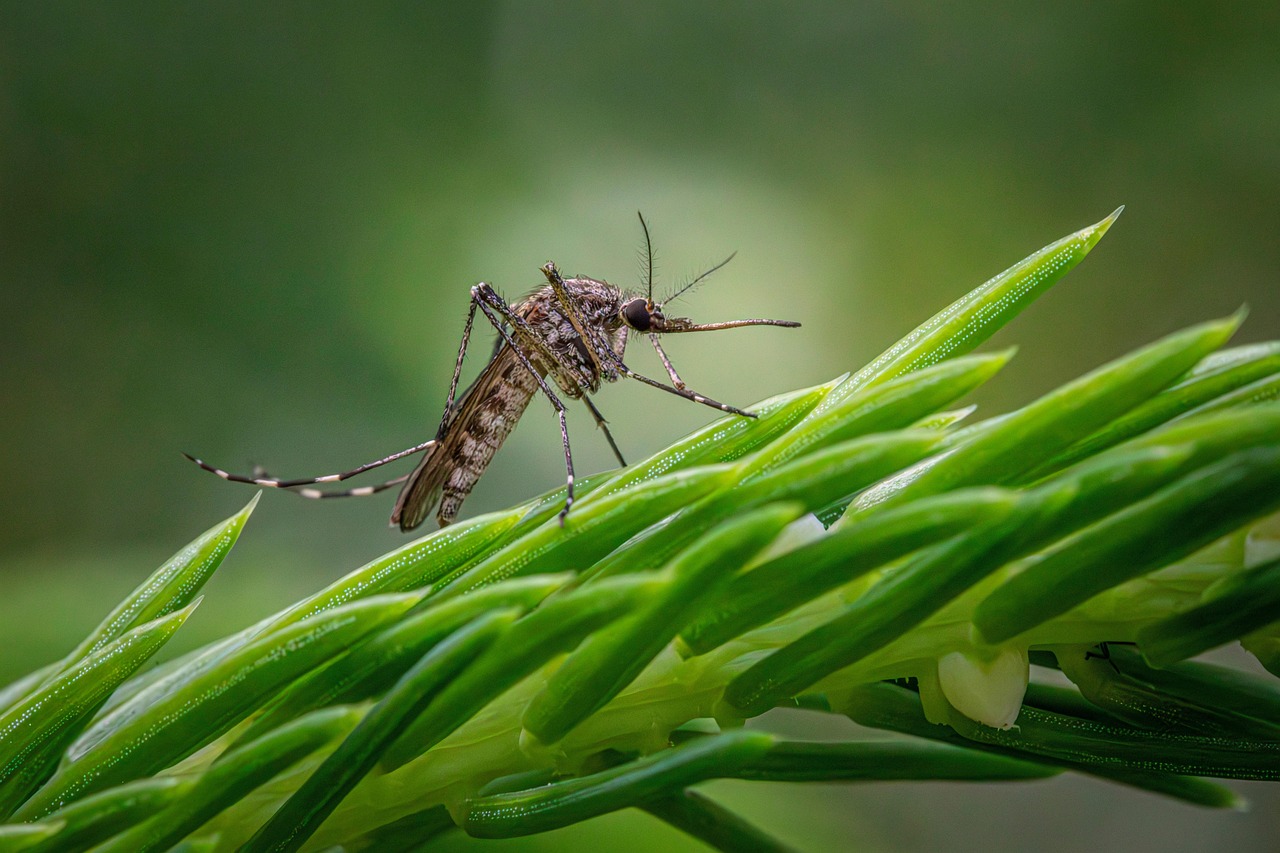
As residents spend more time outdoors enjoying warmer weather, it’s important to remember that tick season is in full swing across the Hudson Valley. Ticks are most active during the spring, summer, and early fall, and the risk of encountering an infected tick remains high throughout the region.

Ticks can carry several diseases, including Lyme disease—the most common tick-borne illness in New York—as well as ehrlichiosis, babesiosis, anaplasmosis, and the rare but serious Powassan virus.

Fortunately, a few simple precautions can help reduce the risk of tick bites and illness.

Avoid Tick Habitats

Ticks are commonly found in wooded areas, tall grass, brush, and leaf litter. When hiking or spending time outdoors:

  • Stay on clear, well-traveled trails.
  • Walk in the center of paths.
  • Avoid sitting directly on the ground or stone walls.
  • Steer clear of tall grass and dense vegetation whenever possible.

Check for Ticks Often

After spending time outdoors:

  • Check clothing and exposed skin frequently.
  • Shower within two hours of coming indoors.
  • Perform a full-body tick check.
  • Pay close attention to areas under the arms, behind the knees, around the ears, and in the hair.
  • Thoroughly check children and pets as well.

Remove Ticks Promptly

If you find a tick attached to your skin:

  • Use fine-tipped tweezers to grasp the tick as close to the skin as possible.
  • Pull upward slowly and steadily without twisting.
  • Clean the bite area and your hands afterward.
  • Dispose of the tick by placing it in alcohol, sealing it in a bag, wrapping it in tape, or flushing it down the toilet.

Avoid using petroleum jelly, nail polish, heat, or other home remedies to remove ticks.

Dress for Protection

When spending time in tick-prone areas:

  • Wear long sleeves and long pants.
  • Choose light-colored clothing to make ticks easier to spot.
  • Tuck pants into socks and shirts into pants.
  • Wear closed-toe shoes.
  • Tie back long hair or wear a hat.

Use Insect Repellent

Apply an EPA-approved insect repellent according to label directions to help keep ticks away.

Watch for Symptoms

One of the most recognized signs of Lyme disease is a rash that may resemble a bullseye or target. However, Lyme disease rashes can vary in appearance, and some people may not develop a rash at all.

Other symptoms can include:

  • Fever
  • Chills
  • Fatigue
  • Headache
  • Muscle and joint aches

Anyone who develops symptoms after a tick bite should contact a healthcare provider. Early diagnosis and treatment are highly effective and can help prevent more serious complications.

Stay Tick Aware

Whether you’re hiking, gardening, walking the dog, or enjoying a local park, taking a few preventive steps can help keep you and your family safe throughout tick season.

Continue Reading
Advertisement
Click to comment

Leave a Reply

Your email address will not be published. Required fields are marked *

Community

Orangeburg Fire Department to Host Community Blood Drive Amid Blood Emergency

Published

on

As blood supplies remain critically low, the Orangeburg Fire Department is encouraging residents to roll up their sleeves and help save lives by participating in an upcoming community blood drive.

The blood drive will be held Saturday, July 25, from 8 a.m. to 2 p.m. at the Orangeburg Fire House, located at 61 Dutch Hill Road, Orangeburg.

Hosted in partnership with the New York Blood Center, the event comes as a blood emergency has been declared, highlighting the urgent need for donors to help replenish the region’s blood supply. Blood donations are essential for trauma victims, surgery patients, cancer treatments and others facing medical emergencies.

Appointments are preferred and can be made through the New York Blood Center at NYBC.org, although walk-in donors will be welcomed as space permits.

Eligible donors must be at least 17 years old, or 16 with a signed parental consent form, meet minimum weight requirements, be feeling healthy and symptom-free, and bring a donor ID card or a photo ID.

Organizers also encourage donors to eat a healthy meal and drink plenty of fluids before donating.

Every blood donation has the potential to save lives, making each donor’s contribution an important step in ensuring local hospitals have the blood they need when emergencies arise.

Continue Reading

Community

Rockland Residents Urged to Donate Blood as Regional Supply Faces Ongoing Need

Published

on

With only about 2% of eligible New Yorkers donating blood, maintaining an adequate blood supply remains an ongoing challenge for hospitals in Rockland County, the Hudson Valley and across the state.

Unlike many medical treatments, blood cannot be manufactured, and because blood products have a limited shelf life, the need for donors never ends. Red blood cells can be stored for about 42 days, while platelets remain usable for only five to seven days, requiring a constant supply of new donations to meet patient needs.

Blood transfusions play a critical role in treating trauma victims, surgical patients, cancer patients and others facing life-threatening medical emergencies. According to the New York Blood Center, a single blood donation can help save up to three lives.

To help strengthen the regional blood supply, Rockland Paramedic Services is partnering with the New York Blood Center to host a community blood drive on Wednesday, Aug. 6, from 10 a.m. to 4 p.m. at RPS headquarters in New City as part of NYBC’s “Blood for a Brew” campaign.

As first responders, paramedics witness firsthand the importance of having blood readily available before an emergency occurs. Organizers say the event is intended to raise awareness of the region’s ongoing need for blood donors while encouraging eligible residents to make a donation that could benefit patients throughout the Hudson Valley.

Officials emphasize that maintaining a strong local and regional blood supply depends on regular donors. Because blood products expire quickly and demand remains constant, every donation helps ensure hospitals have lifesaving blood available when it is needed most.

Residents who are eligible to donate are encouraged to participate in the Aug. 6 blood drive and help support hospitals and patients across the region.

Continue Reading

Trending