Connect with us

Community

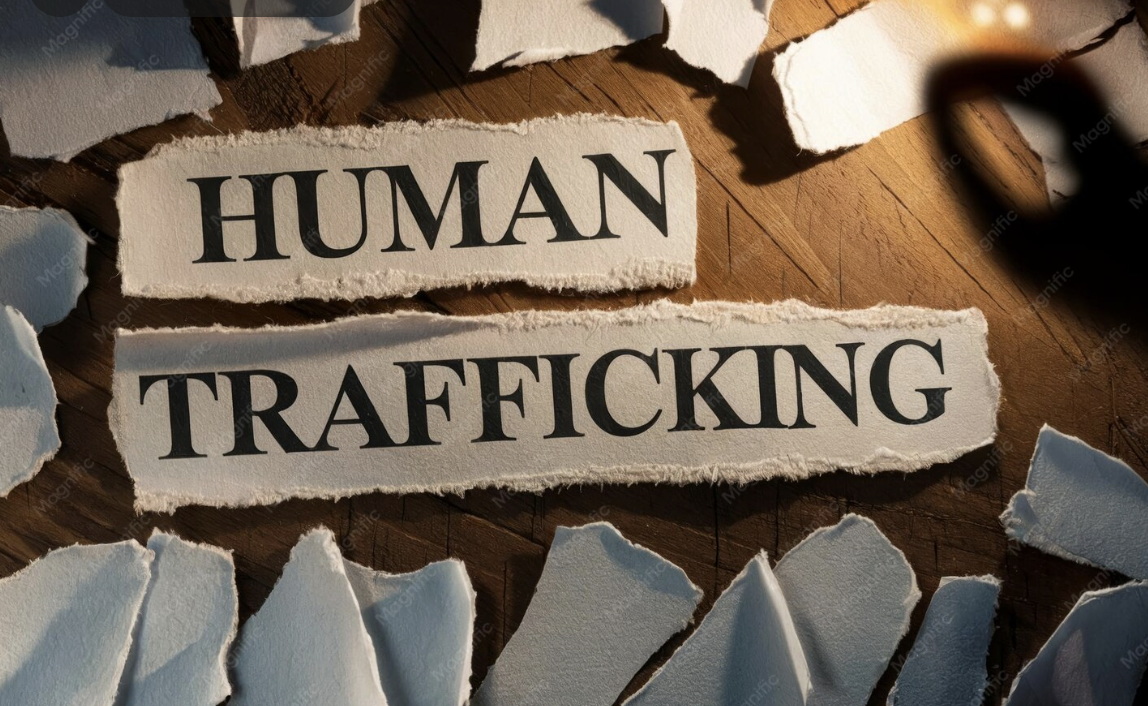
Officials Urge Vigilance for Human Trafficking During Major Sporting Events

Published

on

As thousands of fans travel and gather for major sporting events throughout the year, law enforcement and public safety officials are urging the public to remain vigilant for signs of human trafficking.

Experts warn that large-scale events can create opportunities for traffickers to exploit vulnerable adults and children. Human trafficking can occur in a variety of locations, including hotels, transportation hubs, neighborhoods, businesses, and areas surrounding event venues.

Advocates say one of the biggest challenges in combating human trafficking is overcoming common misconceptions about what trafficking actually looks like. Images often used in public awareness campaigns depict young girls being kidnapped, restrained, or forced into sexual exploitation by male traffickers. While such cases do occur, experts say they represent only a portion of a much broader problem.

Victims of human trafficking can include men, women, children, and members of the LGBTQ+ community. Likewise, traffickers can be both male and female. Experts also note that human trafficking is not limited to sex trafficking. Labor trafficking accounts for a significant share of trafficking cases worldwide and can occur in industries such as agriculture, construction, domestic service, hospitality, restaurants, manufacturing, and nail salons.

Another common misconception is that trafficking always involves physical force. In reality, traffickers often use fraud, deception, threats, manipulation, debt, or coercion to control victims. As a result, many victims may not show obvious signs of abuse or restraint.

Warning Signs of Human Trafficking

Officials and advocates say potential indicators may include:

  • A person who appears fearful, anxious, intimidated, or submissive.
  • Someone who is not allowed to speak for themselves or is constantly monitored by another individual.
  • Signs of malnourishment, exhaustion, neglect, or untreated medical issues.
  • A person who does not know their location, address, or basic details about where they live or work.
  • Someone who lacks possession of identification documents, passports, or personal belongings.
  • Workers who appear to be living at their workplace or are transported under the control of another person.
  • Unusual work conditions, excessive hours, little or no pay, or restrictions on movement.
  • Signs of threats, intimidation, or coercion.
  • Inconsistent explanations regarding employment, travel, or living arrangements.

How to Protect Yourself

Officials say trafficking often begins with manipulation and deception rather than abduction. To reduce the risk of becoming a victim:

  • Be cautious of job offers that promise unusually high pay, free housing, or opportunities that seem too good to be true.
  • Research employers and verify job offers before accepting them.
  • Protect personal information and avoid sharing sensitive details or travel plans with strangers online.
  • Keep identification documents, passports, and important records in your possession when traveling.
  • Stay connected with trusted family members and friends and share your plans when attending major events.
  • Be wary of individuals who attempt to isolate you from loved ones, pressure you into secrecy, or offer excessive gifts or financial support.
  • Trust your instincts and seek help if a situation feels unsafe, controlling, or suspicious.

Experts stress that trafficking victims are often hidden in plain sight and may not identify themselves as victims. Some may fear law enforcement, worry about retaliation against family members, or believe they have no way to escape their circumstances.

Officials encourage residents and visitors to report suspicious activity and remain aware of the warning signs. Anyone who suspects human trafficking is encouraged to contact local law enforcement or the National Human Trafficking Hotline at 1-888-373-7888.

Additional information, resources, and confidential assistance are available through the National Human Trafficking Hotline.

Continue Reading
Advertisement
Click to comment

Leave a Reply

Your email address will not be published. Required fields are marked *

Community

Orangeburg Fire Department to Host Community Blood Drive Amid Blood Emergency

Published

on

As blood supplies remain critically low, the Orangeburg Fire Department is encouraging residents to roll up their sleeves and help save lives by participating in an upcoming community blood drive.

The blood drive will be held Saturday, July 25, from 8 a.m. to 2 p.m. at the Orangeburg Fire House, located at 61 Dutch Hill Road, Orangeburg.

Hosted in partnership with the New York Blood Center, the event comes as a blood emergency has been declared, highlighting the urgent need for donors to help replenish the region’s blood supply. Blood donations are essential for trauma victims, surgery patients, cancer treatments and others facing medical emergencies.

Appointments are preferred and can be made through the New York Blood Center at NYBC.org, although walk-in donors will be welcomed as space permits.

Eligible donors must be at least 17 years old, or 16 with a signed parental consent form, meet minimum weight requirements, be feeling healthy and symptom-free, and bring a donor ID card or a photo ID.

Organizers also encourage donors to eat a healthy meal and drink plenty of fluids before donating.

Every blood donation has the potential to save lives, making each donor’s contribution an important step in ensuring local hospitals have the blood they need when emergencies arise.

Continue Reading

Community

Rockland Residents Urged to Donate Blood as Regional Supply Faces Ongoing Need

Published

on

With only about 2% of eligible New Yorkers donating blood, maintaining an adequate blood supply remains an ongoing challenge for hospitals in Rockland County, the Hudson Valley and across the state.

Unlike many medical treatments, blood cannot be manufactured, and because blood products have a limited shelf life, the need for donors never ends. Red blood cells can be stored for about 42 days, while platelets remain usable for only five to seven days, requiring a constant supply of new donations to meet patient needs.

Blood transfusions play a critical role in treating trauma victims, surgical patients, cancer patients and others facing life-threatening medical emergencies. According to the New York Blood Center, a single blood donation can help save up to three lives.

To help strengthen the regional blood supply, Rockland Paramedic Services is partnering with the New York Blood Center to host a community blood drive on Wednesday, Aug. 6, from 10 a.m. to 4 p.m. at RPS headquarters in New City as part of NYBC’s “Blood for a Brew” campaign.

As first responders, paramedics witness firsthand the importance of having blood readily available before an emergency occurs. Organizers say the event is intended to raise awareness of the region’s ongoing need for blood donors while encouraging eligible residents to make a donation that could benefit patients throughout the Hudson Valley.

Officials emphasize that maintaining a strong local and regional blood supply depends on regular donors. Because blood products expire quickly and demand remains constant, every donation helps ensure hospitals have lifesaving blood available when it is needed most.

Residents who are eligible to donate are encouraged to participate in the Aug. 6 blood drive and help support hospitals and patients across the region.

Continue Reading

Trending