Connect with us

Government

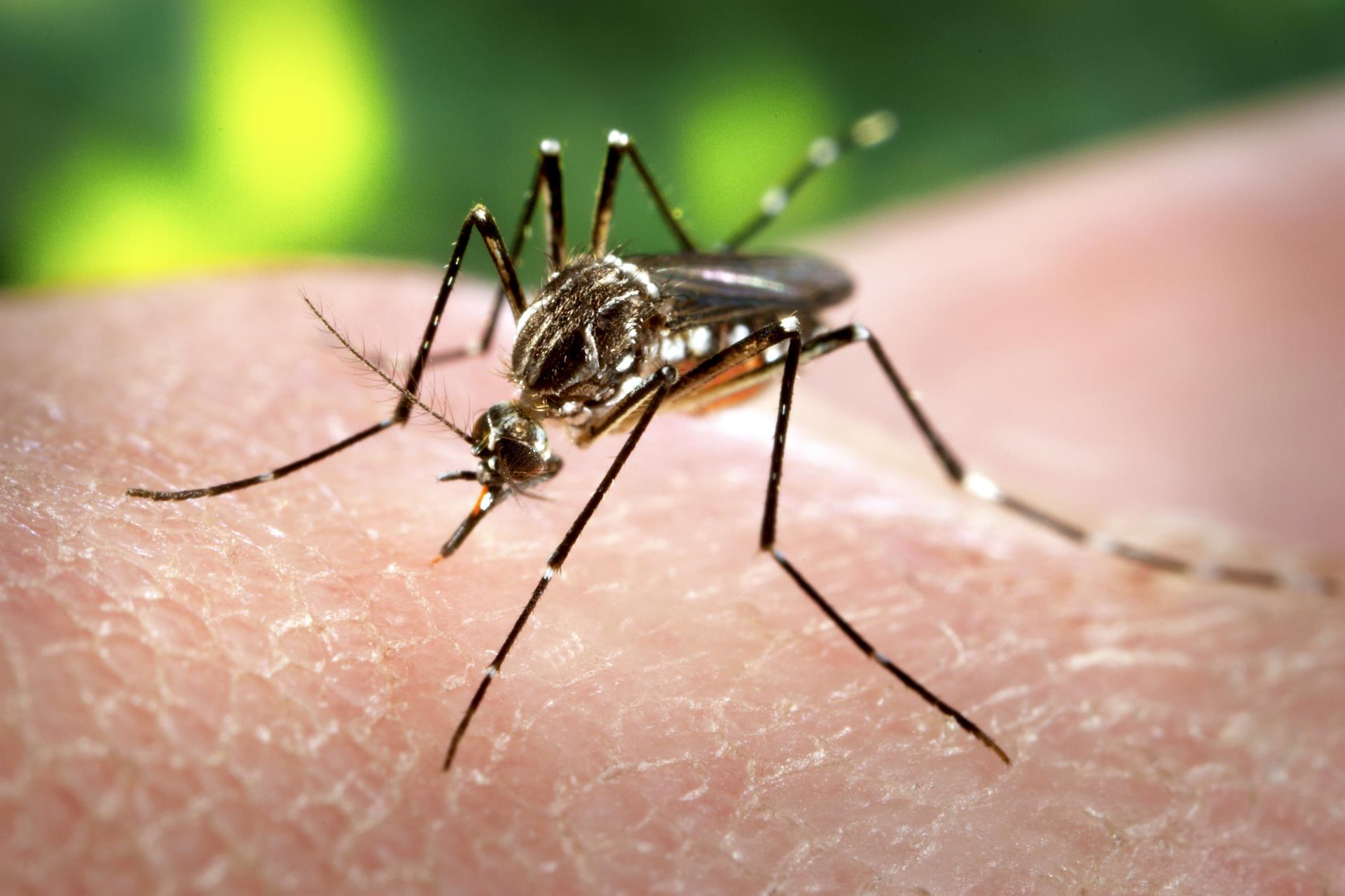
Over The Past Two Weeks RCDOH Has Seen A Sharp Increase With Approximately Half Of The Pools Submitted For Testing Came Back Positive for WNV

Published

on

This uptick can increase the risk to the public’s health for mosquito-borne diseases. No human cases have been reported in the county this season; the last reported human case in Rockland was in 2023. View West Nile Virus mosquito pool testing results on the West Nile Virus Webpage.

“This time of year is when we often see a rise in West Nile Virus activity, and these positive mosquito pools confirm that. While the Health Department mosquito control teams continue to visit known mosquito breeding sites and apply larvicides throughout the summer to control mosquito populations, it is important for residents to practice sensible mosquito control in their backyards to help reduce the risks of WNV and other mosquito-borne diseases,” said Amy Isenberg, Environmental Health Specialist, Mosquito Program Coordinator. “The best and most effective mosquito control begins in private yards.  Eliminating standing water is the first step in reducing mosquito breeding.”

Not everyone infected with West Nile Virus will become ill and although a person’s chances of getting sick are small, those aged 50 and older and those with compromised immune systems are at the highest risk for serious illness. Serious complications that can be caused by WNV include neurological diseases, milder flu-like illness, fever, headache, body aches, nausea, and occasionally a skin rash and swollen lymph glands. If you think you have symptoms of West Nile Virus, see your doctor right away.

If you have concerns about mosquito breeding or standing water in your neighborhood, contact 845-364-3173 or submit a complaint form.

Follow these simple mosquito control tips to protect you, your family, and your community:

  • Eliminate any stagnant water from property including birdbaths, unused flowerpots, discarded tires, bottle caps, etc.
  • Make sure roof gutters drain properly and remove leaf debris from yards/gardens.
  • Drain water off covers of unused pools or spas or treat the standing water with Mosquito Dunks®.

Dunks are available free of charge at the Health Department, Building D, 50 Sanatorium Road in Pomona, Monday – Friday by appointment only, while supplies last. Call 845-364-3173 or e-mail wnv@co.rockland.ny.us to arrange a pickup.

To reduce your risk of being bitten:

  • Cover up when outdoors for long periods or when mosquitoes are more active with long pants, and a long-sleeved shirt.
  •  Use mosquito repellent. (Do not use repellent on babies younger than 2 months old. Do not use products containing oil of lemon eucalyptus (OLE) or para-menthane-diol (PMD) on children younger than 3 years old.)
  •  Cover baby carriers with mosquito netting when outside.
  •  Close doors and ensure that all windows and doors have screens and that the screens do not have rips, tears, or holes.

Call the Rockland County Health Department at 845-364-3173 to learn more or visit the Mosquito Control webpage. For more information, visit the New York State Health Department West Nile Virus webpage.

Continue Reading
Advertisement

Government

Report Litterbugs in Rockland County Through Keep Rockland Beautiful Program

Published

on

Littering is illegal and can result in fines for those who commit the offense. Some litterbugs simply need to be informed and reminded that littering — whether deliberate or unintentional — can end with a personal commitment to stop.

The Keep Rockland Beautiful Report-A-Litterbug Program encourages the public to report people who litter in an effort to help make Rockland County’s roadways cleaner. The program provides every individual with an opportunity to be an active participant in reducing litter.

If you see someone littering from their car, or trash blowing out from the back of a truck, the Rockland County Sheriff’s Office will send the vehicle owner a warning letter based on your report to Keep Rockland Beautiful.

To report a litterbug, visit: Keep Rockland Beautiful Report-A-Litterbug Program

Continue Reading

Government

Senate Approves Bill Expanding SPCA Fingerprinting Access

Published

on

A bipartisan bill sponsored by Pete Harckham aimed at helping SPCAs across New York more effectively investigate and prosecute animal cruelty cases has passed the State Senate unanimously.

The legislation, S.1664, would authorize SPCA officers statewide to access the same live scan fingerprinting system currently used by law enforcement agencies following an arrest. Supporters say the measure would streamline arrest processing, improve officer efficiency, and help prevent suspects from avoiding prosecution.

At present, many SPCA officers in New York must rely on outside law enforcement agencies to process fingerprints after making an arrest, often causing delays.

“SPCA officers must have the tools and resources they need to protect defenseless animals from cruelty and neglect and the public at large from serial abusers,” Harckham said in a statement. “With access to live scan fingerprinting, officers can quickly determine whether a suspect has a history of abuse or is wanted for other crimes.”

Harckham said the legislation was inspired by conversations with officers from the Putnam County SPCA, who reported that delays in fingerprint processing sometimes allowed suspects with outstanding warrants to remain free longer than necessary.

Chief Ken Ross of the Putnam County SPCA praised the bill’s passage, noting the connection between animal cruelty and other violent crimes.

“Animal cruelty crimes are especially disturbing because they target the most vulnerable,” Ross said. “These offenses are often linked to other forms of violence, including child abuse and domestic violence.”

According to supporters of the legislation, animal cruelty cases have increased across New York since the COVID-19 pandemic. SPCAs cite rising living costs, behavioral health challenges, and the expiration of eviction protections as contributing factors.

Data from Humane Society International indicates that 85% of individuals arrested for animal cruelty have prior arrests, many involving felony offenses. The organization also reports significant overlap between domestic violence and animal abuse cases.

If enacted into law, the bill would expand investigative capabilities for SPCAs statewide and strengthen coordination between animal welfare agencies and law enforcement officials.

Continue Reading

Trending