Connect with us

Government

Rep. Mike Lawler Introduces Legislation to Modernize U.S. Sanctions Policy for Post-Assad Syria

Published

on

Washington, D.C. — Congressman Mike Lawler (NY-17), Chairman of the House Foreign Affairs Subcommittee on the Middle East and North Africa, introduced new legislation this week aimed at updating and refining U.S. sanctions policy toward Syria in anticipation of a post-Assad future.

The Syria Sanctions Accountability Act, unveiled on Wednesday, seeks to modernize the framework of the existing U.S. sanctions regime, provide updated criteria for sanctions relief, and set measurable benchmarks for the Syrian government to meet international anti-corruption and anti-money laundering standards.

“As the Trump Administration is already reviewing sanctions policy, we must ensure they have the tools to do so that reflect the current security environment,” said Chairman Lawler, who also serves on the House Financial Services Committee. “This bill modernizes the existing sanctions regime on Syria, requires assessments on existing sanctions relief provisions, and sets out goals for the Syrian government.”

Key Provisions of the Syria Sanctions Accountability Act Include:

Financial Oversight: Requires the Financial Crimes Enforcement Network (FinCEN) to brief Congress on exceptions granted to the Commercial Bank of Syria.

International Monitoring and Reform: Instructs U.S. representatives at the International Monetary Fund and World Bank to advocate for regular economic monitoring of Syria, better financial connectivity, and strong anti-money laundering, counter-proliferation, and anti-corruption efforts.

Export-Import Bank Review: Calls for a formal assessment by the Export-Import Bank on whether current restrictions concerning Syria remain appropriate.

Sanctions Relief Updates: Revises conditions within the Caesar Syria Civilian Protection Act, mandating that the Syrian government take verifiable steps to halt the illegal proliferation of Captagon (a highly addictive amphetamine), cease the targeting or detention of religious minorities, and meet additional humanitarian and governance standards. It also removes outdated references to Russia and Iran from previous legislation.

Lawler emphasized that while reintegrating Syria into the international community won’t be easy, a clear and structured path must be outlined. “The al-Sharaa Administration certainly has a lot of work to do to reintegrate Syria with the U.S. and our allies. While this job should be difficult given the circumstances, it shouldn’t be impossible,” Lawler concluded.

The legislation comes as the U.S. reconsiders its long-standing approach to Syria amid ongoing regional instability and a shifting geopolitical landscape.

Continue Reading
Advertisement

Government

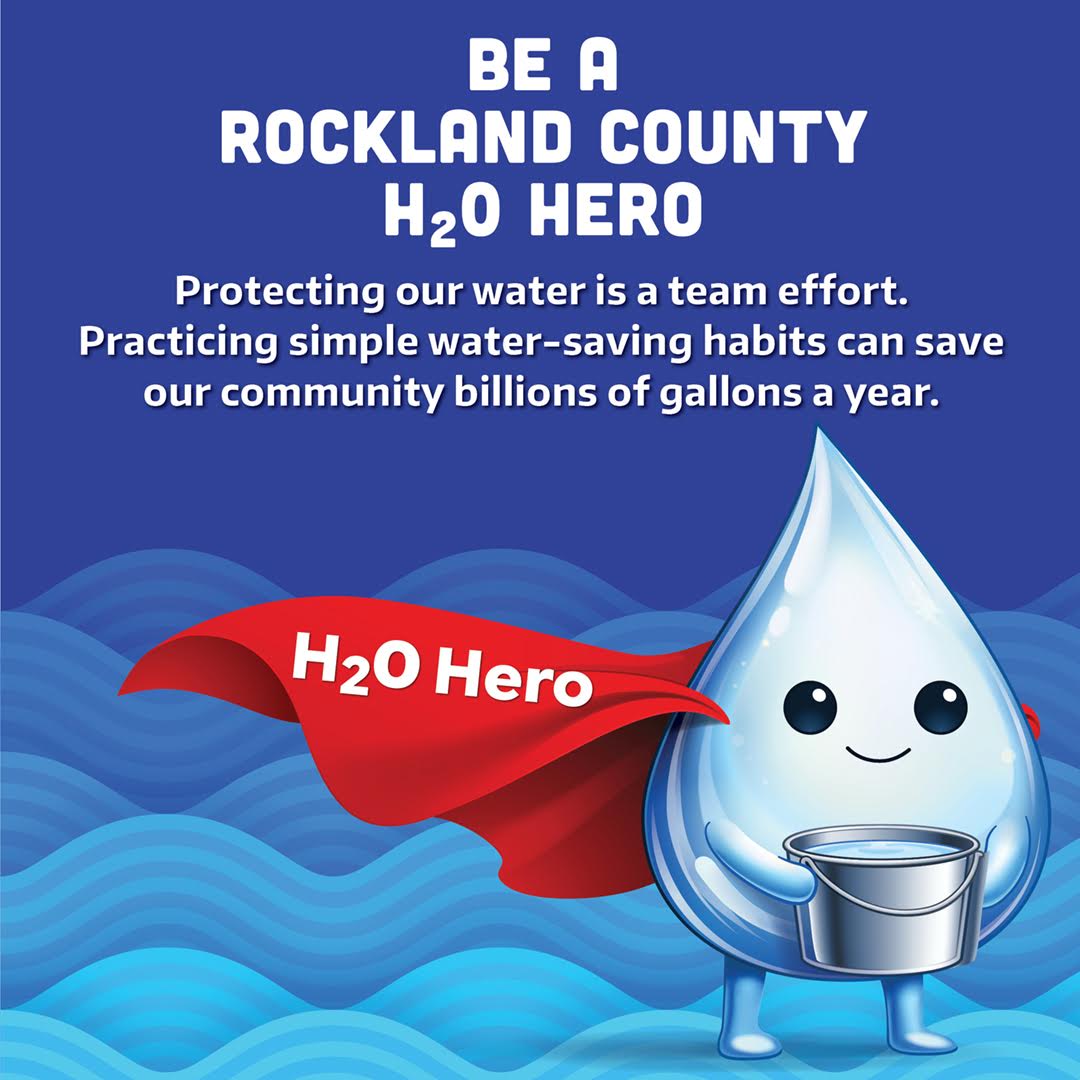
Rockland County Urges Water Conservation as Climate Change Impacts Supply

Published

on

NEW CITY, NY — The Rockland County Task Force on Water Resources Management is encouraging residents to learn how climate change is affecting water availability and what steps they can take to protect the county’s supply.

Experts say climate change is increasingly being viewed as a water crisis, as rising temperatures and shifting weather patterns lead to stronger storms, flooding, and drought. Although water covers much of the planet, less than one percent of freshwater is readily available for human use, making conservation critical.

Rockland County depends entirely on local surface and groundwater sources to serve homes, schools, businesses, and healthcare facilities. As the population grows and climate conditions evolve, officials say responsible water use is essential to maintaining a stable supply.

“Protecting our water supply is essential to the long-term health and economic stability of Rockland County,” said Ed Day. “Education and conservation are key tools that help ensure our water resources remain reliable for future generations.”

💧 Simple Ways to Conserve Water

Residents can make a meaningful impact with small, everyday actions:

  • Fix household leaks promptly
  • Take shorter showers
  • Turn off the tap while brushing teeth
  • Use water-efficient appliances
  • Plant native or drought-tolerant landscaping
  • Water lawns and gardens efficiently

Reducing water use also lowers energy consumption, since energy is required to pump, treat, and heat water—helping cut greenhouse gas emissions.

Officials encourage residents to follow the task force online for updates, resources, and conservation tips. More information is available through the county’s water conservation program.

Continue Reading

Government

Rockland County Offers Free Mosquito Dunks and Minnows to Fight Summer Mosquitoes

Published

on

The Rockland County Department of Health (RCDOH) is giving residents two free tools to fight mosquitoes:

1. Mosquito Dunks®

  • Donut-shaped tablets placed in standing water
  • Kill mosquito larvae before they become biting adults
  • Safe for use in:
    • Unused/covered pools
    • Hot tubs
    • Other stagnant water containers

2. Fathead minnows

  • Small fish that eat mosquito larvae (up to ~200 per day each)
  • Good for:
    • Unused pools
    • Ornamental ponds
    • Water sources with at least 8 inches of water

 How to get Mosquito Dunks

  • Pickup location: Robert L. Yeager Health Complex (Pomona)
  • Appointment required
  • To request:
  • Bring a completed Mosquito Dunk Order Form to pickup

 Minnow giveaway details

  • Date: Wednesday, May 27, 2026
  • Time: 4:30–6:00 PM
  • Location: 50 Sanatorium Road, Pomona
  • Reservation required (call or reserve online)
  • ⚠️ Must be used within Rockland County (permitting rules)

 What residents should do

Even if you don’t pick these up, the most effective step is simple:

  • Check your yard weekly
  • Dump or remove anything holding water (buckets, tarps, gutters, planters, etc.)

Why it matters

These efforts help prevent mosquito-borne illnesses (like West Nile virus), which spread through standing-water breeding.

Continue Reading

Trending