Connect with us

Government

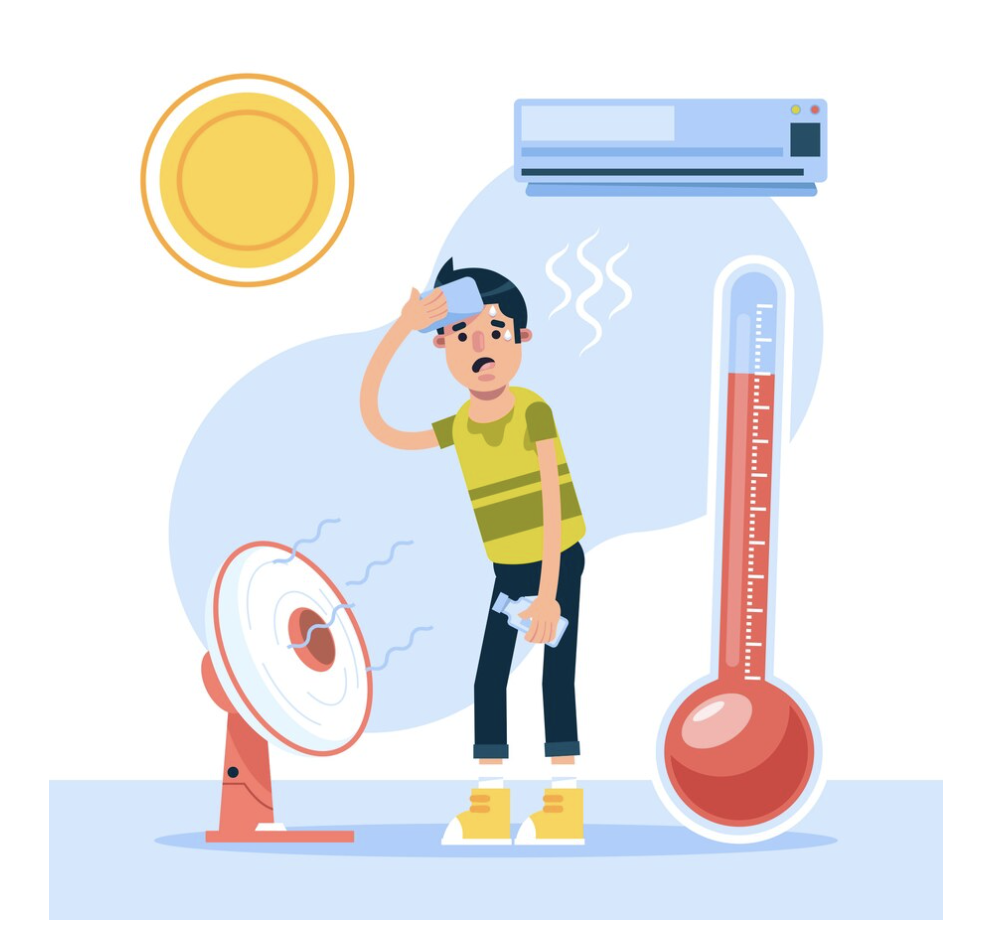
Rockland County DOH Shares Tips On How To Stay Cool In The Heat And Humidity

Published

on

Rockland County Department of Health urges residents to take these simple steps to stay cool and help prevent heat-related illnesses:

  • Use air-conditioning to cool down.  Stay indoors in a place with working air conditioning. If you do not have air conditioning at home, spend time in air-conditioned places such as libraries, movies, malls, or other public buildings during the hottest hours of the day. Cooling centers are places where people may go to cool down during hot weather. You can call your town or village for a list of cooling centers near you. Before going to a cooling center, it’s important to call ahead to make sure it’s open, as some cooling centers are only open during regular business hours and during officially declared heat emergencies and extreme heat events.
  • Drink plenty of fluids. Don’t wait until you’re thirsty to drink more fluids. Avoid alcohol, caffeine, and sugary drinks. If your doctor generally limits the amount you drink or has you on water pills, ask how much you should drink while the weather is hot.
  • Beat the heat with cool showers and baths.
  • Stay out of the sun as much as possible.  Avoid activities that involve a lot of energy or effort during the hottest part of the day, between 11 a.m. and 4 p.m., and take many breaks from physical activity.
  • Wear loose, lightweight, light-colored clothing to help keep cool.
  • Wear sunscreen and a ventilated hat (such as straw or mesh) when outside in the sun and even when it is cloudy.
  • Talk to your healthcare provider about any medicine or drugs you take. Certain medications can increase the risk of heat-related illness. These medications affect the body’s ability to sweat and stay cool. Do NOT stop taking medication unless instructed to do so by your doctor.
  • Never leave children, pets, or those with special needs in a parked car, even briefly. Even with a window cracked open, temperatures in the car can become dangerous within a few minutes.  Always check that no one is left inside your vehicle before locking it up.
  • Keep your pets safe. Asphalt gets very hot and can burn your pet’s paws, so walk your dog on the grass if possible, and bring lots of water on walks.
  • Check in on your family, friends, and neighbors.  Heat and humidity can be dangerous for anyone, especially older adults, young children, and those with chronic medical conditions such as heart and breathing or lung problems.
  • Check the Air Quality Index to find out how clean or polluted your air is, what associated health effects might be a concern for you, and whether  you need to limit outdoor activities. Rockland County is considered part of the NYC Metro region. If you would like to get air quality notifications, sign up for Enviroflash.

For more information about keeping cool in the summer heat, visit the New York State Department of Health

Continue Reading
Advertisement

Government

Report Litterbugs in Rockland County Through Keep Rockland Beautiful Program

Published

on

Littering is illegal and can result in fines for those who commit the offense. Some litterbugs simply need to be informed and reminded that littering — whether deliberate or unintentional — can end with a personal commitment to stop.

The Keep Rockland Beautiful Report-A-Litterbug Program encourages the public to report people who litter in an effort to help make Rockland County’s roadways cleaner. The program provides every individual with an opportunity to be an active participant in reducing litter.

If you see someone littering from their car, or trash blowing out from the back of a truck, the Rockland County Sheriff’s Office will send the vehicle owner a warning letter based on your report to Keep Rockland Beautiful.

To report a litterbug, visit: Keep Rockland Beautiful Report-A-Litterbug Program

Continue Reading

Government

Senate Approves Bill Expanding SPCA Fingerprinting Access

Published

on

A bipartisan bill sponsored by Pete Harckham aimed at helping SPCAs across New York more effectively investigate and prosecute animal cruelty cases has passed the State Senate unanimously.

The legislation, S.1664, would authorize SPCA officers statewide to access the same live scan fingerprinting system currently used by law enforcement agencies following an arrest. Supporters say the measure would streamline arrest processing, improve officer efficiency, and help prevent suspects from avoiding prosecution.

At present, many SPCA officers in New York must rely on outside law enforcement agencies to process fingerprints after making an arrest, often causing delays.

“SPCA officers must have the tools and resources they need to protect defenseless animals from cruelty and neglect and the public at large from serial abusers,” Harckham said in a statement. “With access to live scan fingerprinting, officers can quickly determine whether a suspect has a history of abuse or is wanted for other crimes.”

Harckham said the legislation was inspired by conversations with officers from the Putnam County SPCA, who reported that delays in fingerprint processing sometimes allowed suspects with outstanding warrants to remain free longer than necessary.

Chief Ken Ross of the Putnam County SPCA praised the bill’s passage, noting the connection between animal cruelty and other violent crimes.

“Animal cruelty crimes are especially disturbing because they target the most vulnerable,” Ross said. “These offenses are often linked to other forms of violence, including child abuse and domestic violence.”

According to supporters of the legislation, animal cruelty cases have increased across New York since the COVID-19 pandemic. SPCAs cite rising living costs, behavioral health challenges, and the expiration of eviction protections as contributing factors.

Data from Humane Society International indicates that 85% of individuals arrested for animal cruelty have prior arrests, many involving felony offenses. The organization also reports significant overlap between domestic violence and animal abuse cases.

If enacted into law, the bill would expand investigative capabilities for SPCAs statewide and strengthen coordination between animal welfare agencies and law enforcement officials.

Continue Reading

Trending