
Community
Town of Orangetown Installs Refurbished Historical Marker at DeWint House in Tappan


TAPPAN, NY – The Town of Orangetown Highway Department has proudly installed a newly refurbished historical marker at the DeWint House, Rockland County’s oldest surviving structure and a significant landmark in American history.
Built in 1700, the DeWint House, located at 20 Livingston Avenue in Tappan, served as General George Washington’s headquarters on four separate occasions during the American Revolutionary War. The refurbished marker now highlights the site’s deep historical importance to both Rockland County and the nation.

During his time at the DeWint House, President Washington played key roles in shaping the outcome of the war, including:
– Inspecting nearby fortifications along the Hudson River
– Attending the trial of British spy Major John André
– Negotiating the British withdrawal from New York City
– Seeking shelter during a snowstorm while traveling between West Point and New Jersey

The restoration of this marker ensures that visitors, students, and history enthusiasts can continue to learn about and appreciate the site’s critical role in Revolutionary War history.
Special thanks go to Glenn Sungela and the Orangetown Highway Department for their dedication to preserving local history.
The DeWint House remains a cornerstone of Rockland County’s historical tourism and is open to the public for educational visits and tours.




Rockland County Free Fall Festival Returns to West Nyack Oct. 18

La Casa Di Dolce Brings Generations of Italian Baking Traditions to a New Children’s Book

Milla News: Rockland County’s Unofficial Mayor

Beyond Mums: Best Plants for Fall Garden Color

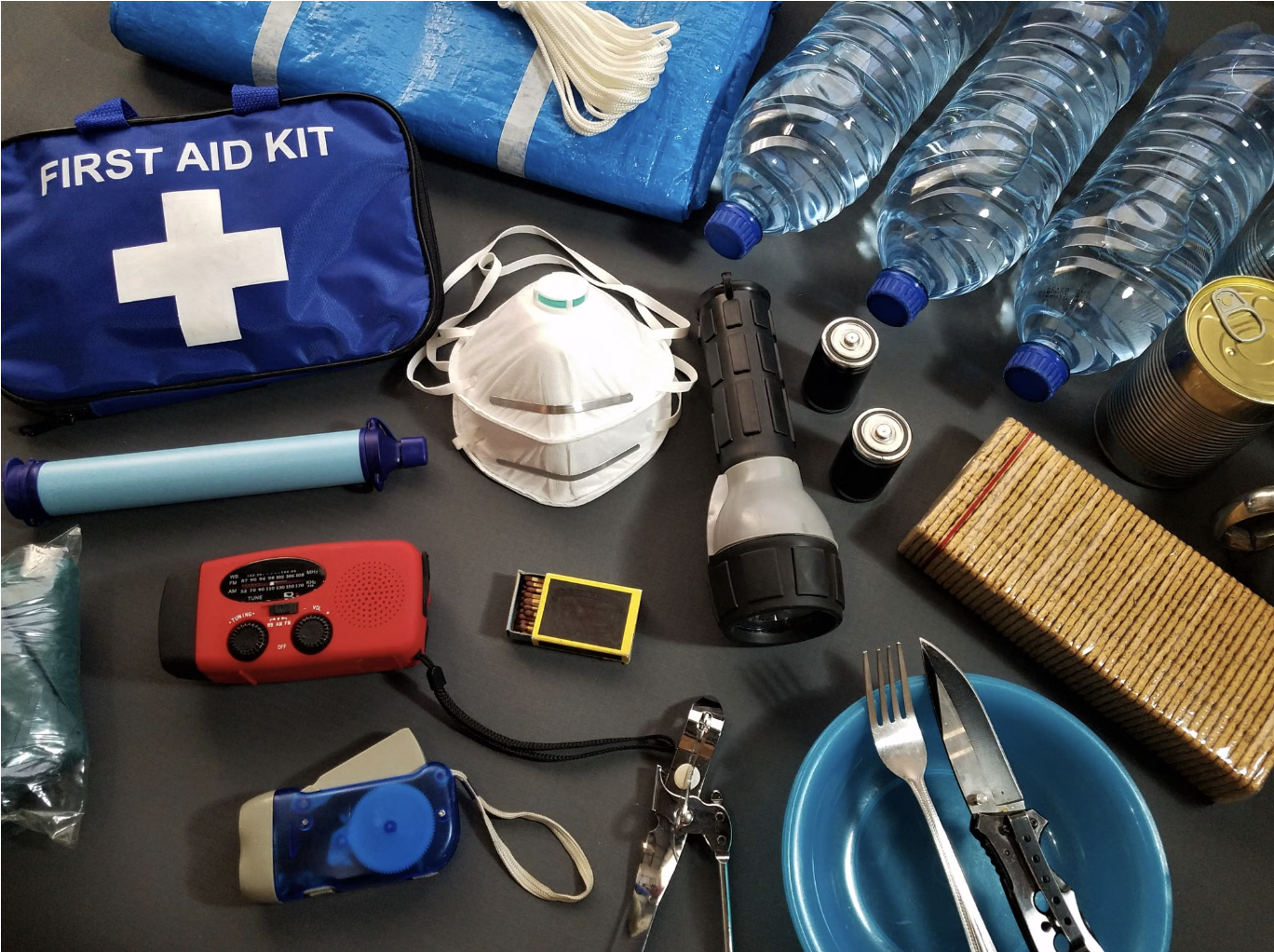
Family Emergency Preparedness: Is Your Family Ready?
La Casa Di Dolce Brings Generations of Italian Baking Traditions to a New Children’s Book

A Taste of Tradition: Leonardo’s Italian Deli & Catering Serves Up Authentic Flavor in New City

Town of Clarkstown Unveils New Fitness Equipment at Street Community Center

Ayoo Chill Wows Crowd with Powerful Rendition of “Nessun Dorma” at Rockland Music Fest at Nanuet Town Centre
-
 Sports1 week ago
Pearl River Native Drew Fortescue Scores First Goal for New York Rangers
-
Business3 days ago
Beyond Mums: Best Plants for Fall Garden Color
-
Community3 days ago
Family Emergency Preparedness: Is Your Family Ready?
-
Business2 days ago
La Casa Di Dolce Brings Generations of Italian Baking Traditions to a New Children’s Book