Connect with us

Government

USDA Updates SNAP Work Requirements for Able-Bodied Adults Without Dependents, Effective November 3

Published

on

NEW CITY, N.Y. — The U.S. Department of Agriculture (USDA) has announced new federal guidelines for Supplemental Nutrition Assistance Program (SNAP) work requirements affecting Able-Bodied Adults Without Dependents (ABAWDs). The updated rules take effect on November 3, 2025.

The federal changes are designed to promote employment and self-sufficiency while ensuring continued access to essential nutrition benefits.

Who qualifies as an ABAWD?
An ABAWD is an individual between 18 and 64 years old who:

  • Does not live with a child under the age of 14, and

  • Does not meet an exemption requirement.

Who may be exempt?
You may be exempt from the new work requirements if you are:

  • Under 18 or age 65 and older

  • Pregnant

  • Living with and caring for an incapacitated person

  • Physically or mentally unable to work

  • Receiving disability benefits

  • Meeting work rules under the Temporary Assistance for Needy Families (TANF) program

Work requirement details:
To continue receiving SNAP benefits, ABAWDs must complete one of the following:

  • Work (paid or unpaid) at least 20 hours per week (80 hours per month) or earn $217.50 per week

  • Participate in a job training or employment program for 20 hours per week

  • Perform community service or volunteer work

These federal guidelines are administered in New York by the Office of Temporary and Disability Assistance (OTDA). Individuals who do not meet the new requirements may risk losing their SNAP benefits.

Local residents with questions can contact the Rockland County Department of Social Services SNAP Center at 845-364-4706 or visit Rockland County DSS online for more information.

Continue Reading
Advertisement

Government

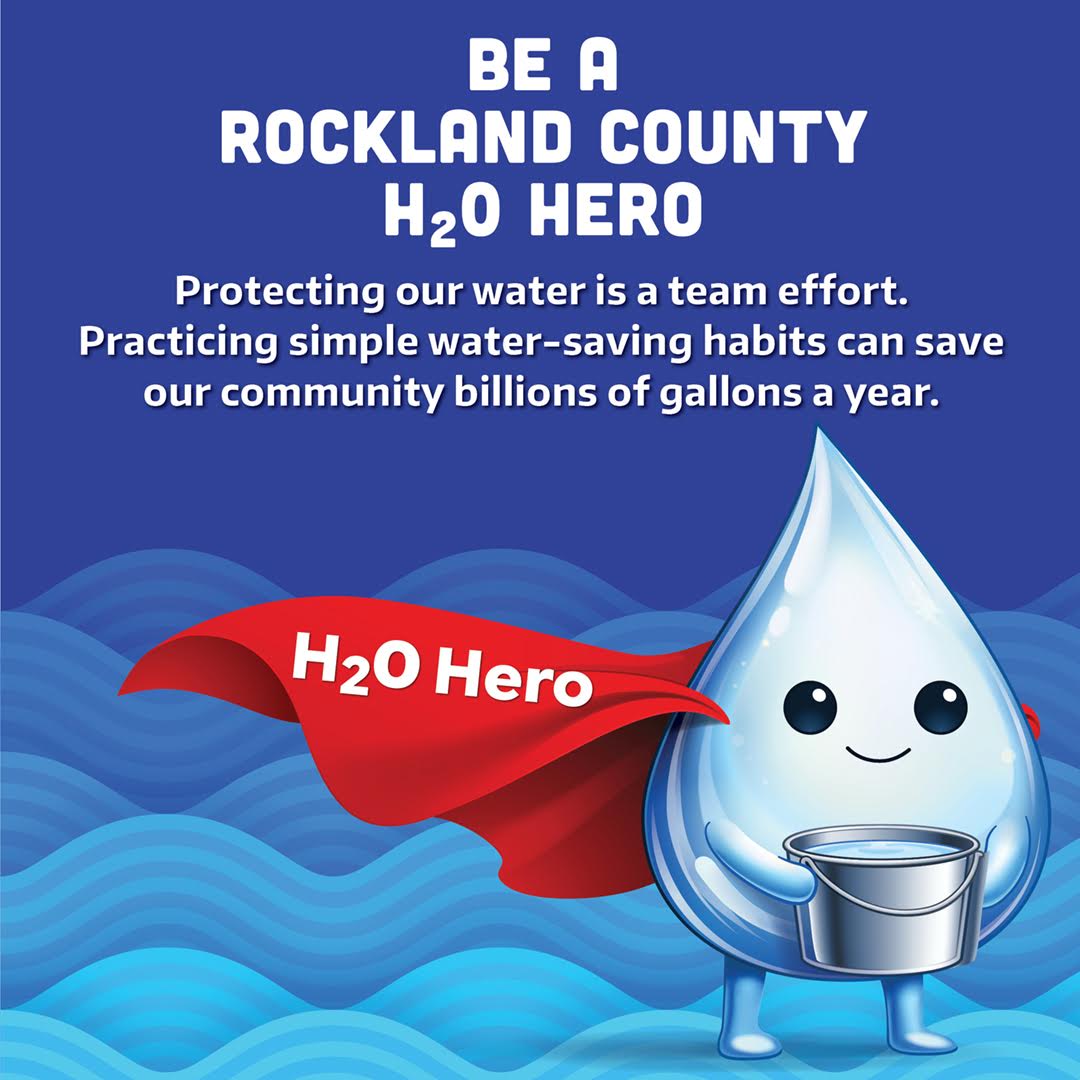
Rockland County Urges Water Conservation as Climate Change Impacts Supply

Published

on

NEW CITY, NY — The Rockland County Task Force on Water Resources Management is encouraging residents to learn how climate change is affecting water availability and what steps they can take to protect the county’s supply.

Experts say climate change is increasingly being viewed as a water crisis, as rising temperatures and shifting weather patterns lead to stronger storms, flooding, and drought. Although water covers much of the planet, less than one percent of freshwater is readily available for human use, making conservation critical.

Rockland County depends entirely on local surface and groundwater sources to serve homes, schools, businesses, and healthcare facilities. As the population grows and climate conditions evolve, officials say responsible water use is essential to maintaining a stable supply.

“Protecting our water supply is essential to the long-term health and economic stability of Rockland County,” said Ed Day. “Education and conservation are key tools that help ensure our water resources remain reliable for future generations.”

💧 Simple Ways to Conserve Water

Residents can make a meaningful impact with small, everyday actions:

  • Fix household leaks promptly
  • Take shorter showers
  • Turn off the tap while brushing teeth
  • Use water-efficient appliances
  • Plant native or drought-tolerant landscaping
  • Water lawns and gardens efficiently

Reducing water use also lowers energy consumption, since energy is required to pump, treat, and heat water—helping cut greenhouse gas emissions.

Officials encourage residents to follow the task force online for updates, resources, and conservation tips. More information is available through the county’s water conservation program.

Continue Reading

Government

Rockland County Offers Free Mosquito Dunks and Minnows to Fight Summer Mosquitoes

Published

on

The Rockland County Department of Health (RCDOH) is giving residents two free tools to fight mosquitoes:

1. Mosquito Dunks®

  • Donut-shaped tablets placed in standing water
  • Kill mosquito larvae before they become biting adults
  • Safe for use in:
    • Unused/covered pools
    • Hot tubs
    • Other stagnant water containers

2. Fathead minnows

  • Small fish that eat mosquito larvae (up to ~200 per day each)
  • Good for:
    • Unused pools
    • Ornamental ponds
    • Water sources with at least 8 inches of water

 How to get Mosquito Dunks

  • Pickup location: Robert L. Yeager Health Complex (Pomona)
  • Appointment required
  • To request:
  • Bring a completed Mosquito Dunk Order Form to pickup

 Minnow giveaway details

  • Date: Wednesday, May 27, 2026
  • Time: 4:30–6:00 PM
  • Location: 50 Sanatorium Road, Pomona
  • Reservation required (call or reserve online)
  • ⚠️ Must be used within Rockland County (permitting rules)

 What residents should do

Even if you don’t pick these up, the most effective step is simple:

  • Check your yard weekly
  • Dump or remove anything holding water (buckets, tarps, gutters, planters, etc.)

Why it matters

These efforts help prevent mosquito-borne illnesses (like West Nile virus), which spread through standing-water breeding.

Continue Reading

Trending