Connect with us

Uncategorized

West Nile Virus Detected in Rockland County Mosquitoes

Published

on

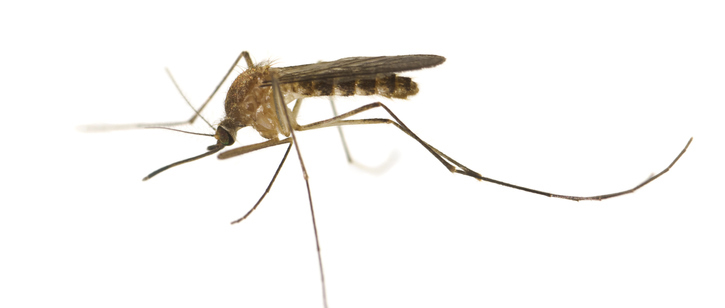
NEW CITY, NY – Rockland County Health officials announce the first two pools, or groups, of mosquitoes to test positive for West Nile Virus (WNV) this year in Rockland County has been confirmed by the New York State Department of Health.

The infected mosquitoes were collected from traps in the Town of Orangetown and Town of Clarkstown during the week of June 21st as part of the County’s ongoing mosquito surveillance efforts. No human cases have been reported this season. The last human case reported in Rockland was in 2018. “This is typically the time of the year we expect to see a rise in West Nile Virus activity, and these positive mosquito pools confirm that,” said Dr. Ruppert.

Most mosquitoes do not test positive for disease-causing viruses. However, a bite from a West Nile Virus-infected mosquito can cause serious illness, and in some cases, death. Although a person’s chances of getting sick are small, those aged 50 and older are at the highest risk for serious illness. Not everyone infected with West Nile Virus will become ill. However, West Nile can cause serious complications, including neurological diseases, and can also cause a milder flu-like illness, including fever, headache and body aches, nausea, and occasionally a skin rash and swollen lymph glands. If you think you have symptoms of West Nile Virus, see your doctor right away.

Mosquitoes lay their eggs in standing water. The eggs hatch into larvae that develop in the water for 7 to 10 days before emerging as adult mosquitoes that fly and bite. Many types of mosquitoes, including those that can spread disease, lay their eggs in items around the home, such as in birdbaths, unused flowerpots, discarded tires, and even bottle caps, as well as in small ponds or other bodies of stagnant water. “Health Department mosquito control teams will continue to visit all known mosquito breeding sites, including sites near these positive mosquito pools. Larval control activities will continue throughout the summer,” said Dr. Ruppert.

The best and most effective mosquito control begins in your yard. Eliminating standing water is the first step in reducing mosquito breeding.

Photo credit – CDC

Continue Reading
Advertisement

Uncategorized

Update: Rockland County YouthFest Returns March 29 at RCC

Published

on

Rockland County will host its annual YouthFest on Sunday, March 29, 2026, from 11 a.m. to 3 p.m. at Rockland Community College.

The free, family-friendly event is one of the largest community gatherings in the county, bringing together more than 150 local agencies, organizations, and service providers focused on youth and family programs.

YouthFest offers a wide range of activities, including interactive exhibits, live demonstrations, performances, and hands-on experiences for children and teens. Families can also enjoy entertainment, games, and attractions throughout the day while learning about resources available across Rockland County.

The event is held in conjunction with Rockland County Government Day, giving residents an opportunity to connect with county departments and learn more about public services and programs.

Organized by the Rockland County Youth Bureau, YouthFest draws thousands of attendees each year and serves as a one-stop destination for families seeking information, support services, and recreational opportunities.

                                  Admission is free and open to the public.

Continue Reading

Uncategorized

Frozen Toilet During Extreme Cold? What Homeowners Should and Shouldn’t Do

Published

on

With freezing temperatures expected across Rockland County, Fire and Emergency Services is reminding residents to take steps to prevent frozen and burst pipes, which can cause significant property damage and even lead to fires.

Officials recommend allowing faucets to drip slightly, especially overnight, to keep water moving through pipes. Residents should also open cabinet doors to allow warm air to circulate around plumbing, particularly in kitchens and bathrooms.

Fire and Emergency Services advises keeping homes heated to at least 55 degrees, even when away, and insulating exposed pipes in basements, crawl spaces, and garages. Residents are warned never to use open flames or unsafe heating devices to thaw frozen pipes.

If a pipe does freeze, officials recommend using a hair dryer or warm air to thaw it safely. Torches or other open-flame methods should never be used. A frozen toilet is inconvenient, but rushing the fix can turn a minor problem into major damage. Slow, careful warming is the safest solution, and professional help should be sought if the issue persists.

In the event of a burst pipe or water emergency, residents are urged to shut off the water immediately and contact emergency services or a licensed professional if needed.

Officials remind residents to stay warm, stay safe, and take preventative steps to protect their homes during extreme cold weather.

Continue Reading

Trending