Connect with us

Community

Down to Earth Living Shares Indoor Seed-Starting Tips

Published

on

Spring may still feel far off with cold temperatures and snow covering the ground, but Down to Earth Living is encouraging gardeners to make the most of the season indoors by starting seeds early.

From browsing seed catalogs and planning garden layouts to planting seedlings now, gardeners can get a head start on spring and grow stronger, healthier plants once warm weather arrives.

When to Start Seeds

Seed-starting time depends on what you are growing, the plant variety, and your local climate.

In our region — including Rockland, Bergen, Westchester, and the Hudson Valley — the last frost date typically falls between late April and early May. Gardeners should confirm their specific local frost date before transplanting seedlings outdoors.

To determine when to start seeds indoors, count backward 4–8 weeks from your local last frost date. This allows seedlings adequate time to grow before transplanting. Keep in mind that frost dates are estimates and weather can vary from year to year, so monitor conditions and adjust timing as needed.

Start with the Right Equipment

To successfully start seeds indoors, you’ll need containers, seed-starting mix, seeds, water, and adequate light.

  • Use peat pots or plugs to protect roots during transplanting.

  • Choose a high-quality seed-starting mix designed for young plants.

  • Start with quality seeds and carefully follow packet instructions for depth, spacing, and care.

  • Beginners may want to try easy-to-grow vegetables such as lettuce or tomatoes.

Tips for Seed-Starting Success

  • Use clean containers: Wash with soap and water and rinse thoroughly before planting.

  • Plant at the proper depth: Follow directions on the seed packet.

  • Provide sufficient light: Seedlings require 12–16 hours of light daily from a sunny window or grow lights. Keep grow lights approximately two inches above the plants.

  • Maintain consistent moisture: Keep soil moist but avoid overwatering.

  • Ensure good airflow: Proper ventilation helps prevent disease and encourages strong growth. Open a window occasionally or use a small fan.

  • Harden off plants: Gradually introduce seedlings to outdoor conditions by placing them outside for a few hours each day before transplanting.

  • Transplant gently: Move seedlings carefully and plant them at the same depth they were growing indoors.

“Starting your garden indoors is a great way to beat the winter blues and get a jump on spring,” said Stuart Leventhal, owner of Down to Earth Living. “With the right tools and a little know-how, you can grow strong, healthy plants from seed. Just follow the basics: read your seed packets, provide plenty of light and water, and be patient.”

Community

7 Things to Do in Rockland County This November Before Winter Arrives

Published

on

November is a great time to get out and enjoy the final days of fall before colder temperatures and winter weather arrive. From hiking and scenic walks to local farms, historic attractions and holiday shopping, Rockland County offers plenty of ways to enjoy the season.

Here are seven things to add to your November calendar.

1. Go Hiking at Bear Mountain State Park

“Bear Mountain State Park, Perkins Memorial Tower Hudson River view”

Enjoy the beautiful scenery at Bear Mountain State Park, where visitors can explore hiking trails, walk around Hessian Lake and take in panoramic views from Perkins Memorial Tower. The park also offers the Trailside Museums and Zoo and seasonal ice skating. Check hours and seasonal access before visiting.

2. Enjoy a Walk Along the Hudson River

“Nyack Beach State Park Hudson River”

Take advantage of the cooler weather with a walk at Nyack Beach State Park, Tallman Mountain State Park in Sparkill or Rockland Lake State Park in Congers. These parks offer beautiful scenery, walking paths and opportunities to enjoy the outdoors.

3. Explore Rockland County’s History

“Stony Point Battlefield State Historic Site lighthouse”

Visit Stony Point Battlefield State Historic Site to learn about Rockland County’s role in the American Revolution. Other interesting destinations include the Historical Society of Rockland County and the Edward Hopper House Museum and Study Center in Nyack.

4. Visit a Local Farm

“Orchards of Concklin Pomona”

November is a great time to support local farmers. Stop by Orchards of Concklin in Pomona or Dr. Davies Farm in Congers for seasonal products, baked goods, cider and other fall favorites. Check seasonal hours before visiting.

5. Plan a Family Outing at Palisades Center

“Palisades Center West Nyack”

When the weather turns cold or rainy, Palisades Center in West Nyack offers shopping, dining and indoor entertainment for families, including games, climbing activities and other attractions.

6. Get a Head Start on Holiday Shopping

“Downtown Nyack”

Explore local shops and boutiques in Nyack, Piermont, Pearl River and Suffern. November is a great time to find unique gifts, attend craft fairs and support Rockland County’s small businesses before the holiday rush.

7. Get Your Home Ready for Winter

Take advantage of the remaining mild days to prepare for winter. Check your heating system, clean gutters, protect outdoor faucets, inspect weatherstripping and make sure smoke and carbon monoxide detectors are working properly.

Enjoy November Close to Home

From hiking at Bear Mountain, walking at Rockland Lake to exploring local parks, farms and downtown shopping districts, there are plenty of ways to enjoy Rockland County before winter arrives.

Get outside, support local businesses and make the most of the final days of fall!

Continue Reading

Community

Halloween May Be Over, But Your Pumpkins Still Have Plenty Of Life Left In Them!

Published

on

Before tossing those jack-o’-lanterns and fall decorations in the trash, consider turning them into delicious seasonal recipes, making homemade treats for your dogs or donating them to a local farm.

Millions of pumpkins are discarded every year after Halloween, with many ending up in landfills. But those leftover pumpkins can serve a purpose beyond decorating your front porch.

Turn Leftover Pumpkins Into Delicious Recipes

If your pumpkins are still fresh and have not been carved, painted or treated with chemicals, you may be able to use the pumpkin flesh and seeds in a variety of recipes.

Pumpkin is a versatile ingredient that can be used to make:

  • Homemade pumpkin bread and muffins.
  • Pumpkin soup and roasted pumpkin dishes.
  • Pumpkin pancakes and waffles.
  • Roasted pumpkin seeds for a healthy snack.
  • Pumpkin puree for pies, desserts and other recipes.

Don’t forget your four-legged family members! Plain pumpkin puree can also be used to make homemade dog treats. Many dogs enjoy pumpkin, which contains fiber and nutrients that can be a healthy addition to their diet when served in appropriate amounts.

Try making simple pumpkin dog biscuits using plain pumpkin puree, oats and dog-safe ingredients. Avoid adding sugar, spices, salt or artificial sweeteners, particularly xylitol, which is toxic to dogs. Also, remove the stem and never feed dogs moldy or spoiled pumpkin.

Donate Your Pumpkins to Local Farms

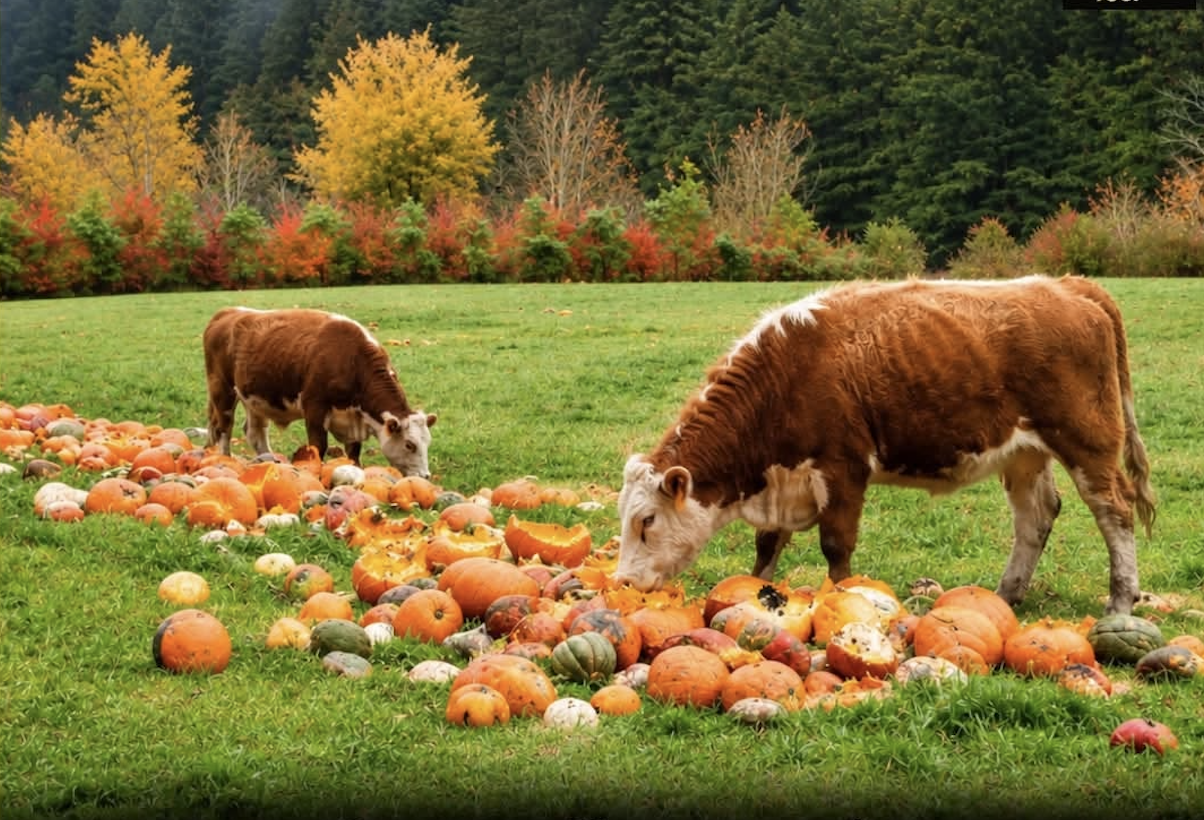
Another option is to give your leftover pumpkins to local farmers, animal sanctuaries or livestock rescues.

Pumpkins can be a nutritious seasonal supplement for animals, including cows, pigs, sheep, goats and chickens. They contain moisture and nutrients that can make them a welcome treat when incorporated appropriately into an animal’s diet.

Before donating, keep these important safety tips in mind:

  • Only donate fresh, untreated pumpkins.
  • Remove candles, plastic decorations and other foreign materials.
  • Avoid pumpkins covered in paint, glitter or other chemicals.
  • Never donate moldy, rotten or spoiled pumpkins.
  • Contact the farm first to make sure it accepts pumpkin donations and that the pumpkins are suitable for its animals.

Help Reduce Food Waste After Halloween

Whether you turn your pumpkins into homemade recipes, bake treats for your dogs or share them with a nearby farm, there are plenty of ways to keep perfectly good pumpkins out of the landfill.

Before throwing away those Halloween decorations, think twice. Your leftover pumpkin could become a delicious family recipe, a special treat for your dog or a tasty snack for a farm animal.

Let’s make the most of pumpkin season, waste less and support our local farmers!

Editorial safety note: Only use pumpkins intended for food preparation when making recipes for people or pets. Carved pumpkins that have been sitting outdoors should not be used for cooking or dog treats.

Continue Reading

Trending