Connect with us

Community

Rockland’s 2024 Farmers’ Markets: Locally Grown Produce Ready for Eating!

Published

on

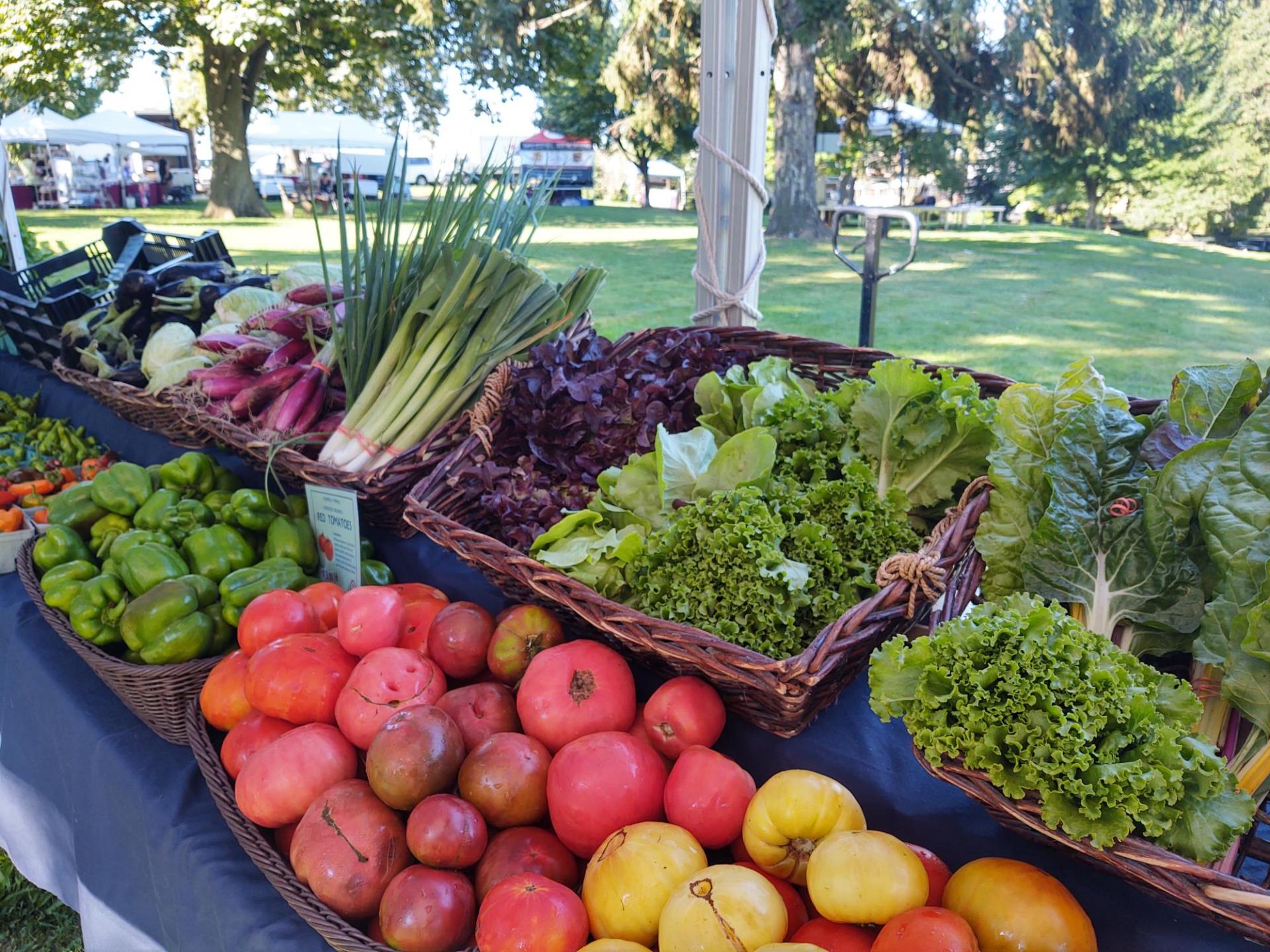
NEW CITY, NY, – Want fresh, locally grown fruits and vegetables, picked at their peak, and packed with vitamins and minerals? If you answer yes, shop at one (or more!) of the many Farmers’ Markets in Rockland County. Not only are these produce items fresh and nutritious, but they also support local farmers and reduce the carbon footprint. You can’t get fresher produce – unless you grow it yourself!

Cropsey Community Farm Stand: Thursdays & Fridays, 10am – 6pm, and Saturdays, 9am – 2pm, through November 30th 

Haverstraw Farmers’ Market: Sundays, 9am – 1pm, June 16th through November 3rd

J&D Perez Farm Stand Spring Valley: Wednesdays, 10:30am – 4:30pm, June 26th through November 6th

  • Location: Finkelstein Memorial Library, 24 Chestnut Street, Spring Valley
  • Bus Route: TOR #59
  • FMNP (Farmers’ Market Nutrition Program checks) and FreshConnect Checks accepted

Perez Farm Stand Monsey: Sundays, 10am – 3pm, June 16th through November 10th  

Nyack Farmers’ Market: Thursdays, 8am – 2pm year-round, free parking in selected spots until 2pm

Pearl River Farmers’ Market: Saturdays, 10am – 2pm, through November 23rd

  • Location: 58 East Central Avenue Field, Pearl River
  • Bus Route: TOR #93 

Piermont Farmers’ Market: Sundays, 10am – 3pm, year-round

Find out if you are eligible for these food assistance programs:

  • Farmers’ Market Nutrition Program (FMNP) provides checks to women, infants, and children through the Women, Infants, and Children Program (WIC) (845-364-2577).
  • Senior Farmers’ Market Nutrition Program (SFMNP) coupons are available for eligible low-income, older adults (aged 60+ years) who live in New York State. For information on Senior Coupon eligibility, call the Rockland County Office for the Aging at (845) 364-2100.
  • Supplemental Assistance Nutrition Program (SNAP) and Electronic Benefits Transfer (EBT)helps low-income working people, senior citizens, people with disabilities, and others feed their families by putting healthy food on the table.  Monthly benefits are issued through an Electronic Benefit Transfer (EBT) card, similar to a bank debit card or credit card, that can be used to purchase food at authorized retail food stores.
  • FreshConnect Program Checks (FCC) are offered to active-duty members, veterans, and their immediate family members, as well as un-remarried surviving spouses of veterans, for fresh produce and other food items at participating farmers markets throughout New York State.

For more information on Farmers’ Markets in New York visit https://agriculture.ny.gov/farmersmarkets.

Continue Reading
Advertisement

Community

Milla News: Rockland County’s Unofficial Mayor

Published

on

Milla News has become one of Rockland County’s most recognizable social media personalities, earning a loyal following of more than 40,000 people on Instagram and building a reputation for making local news engaging for audiences of all ages.

Affectionately known as the “unofficial Mayor of Rockland County,” Milla has found a unique way to connect residents with the people, places and stories that shape their community.

Beyond his growing presence on social media, Milla is a co-owner of New York Is a Nationality, a popular clothing brand that celebrates New York identity and culture.

A graduate of Ramapo High School, Milla is also focused on giving back to the community that helped shape him. Through his work with local high school students, he shares insights into building a brand, using social media effectively and developing entrepreneurial skills.

By combining local news, social media and mentorship, Milla is helping inspire the next generation of young entrepreneurs while bringing Rockland County residents together through stories that reflect their community.

Continue Reading

Community

Family Emergency Preparedness: Is Your Family Ready?

Published

on

Emergencies Can Happen Anytime: Is Your Family Prepared?

Emergencies rarely happen when it is convenient. A severe storm, extended power outage, house fire, medical emergency or other unexpected event can quickly disrupt everyday life. Taking a little time now to prepare can make a major difference when something goes wrong.

Here are some simple steps every household should consider.

Build an Emergency Kit

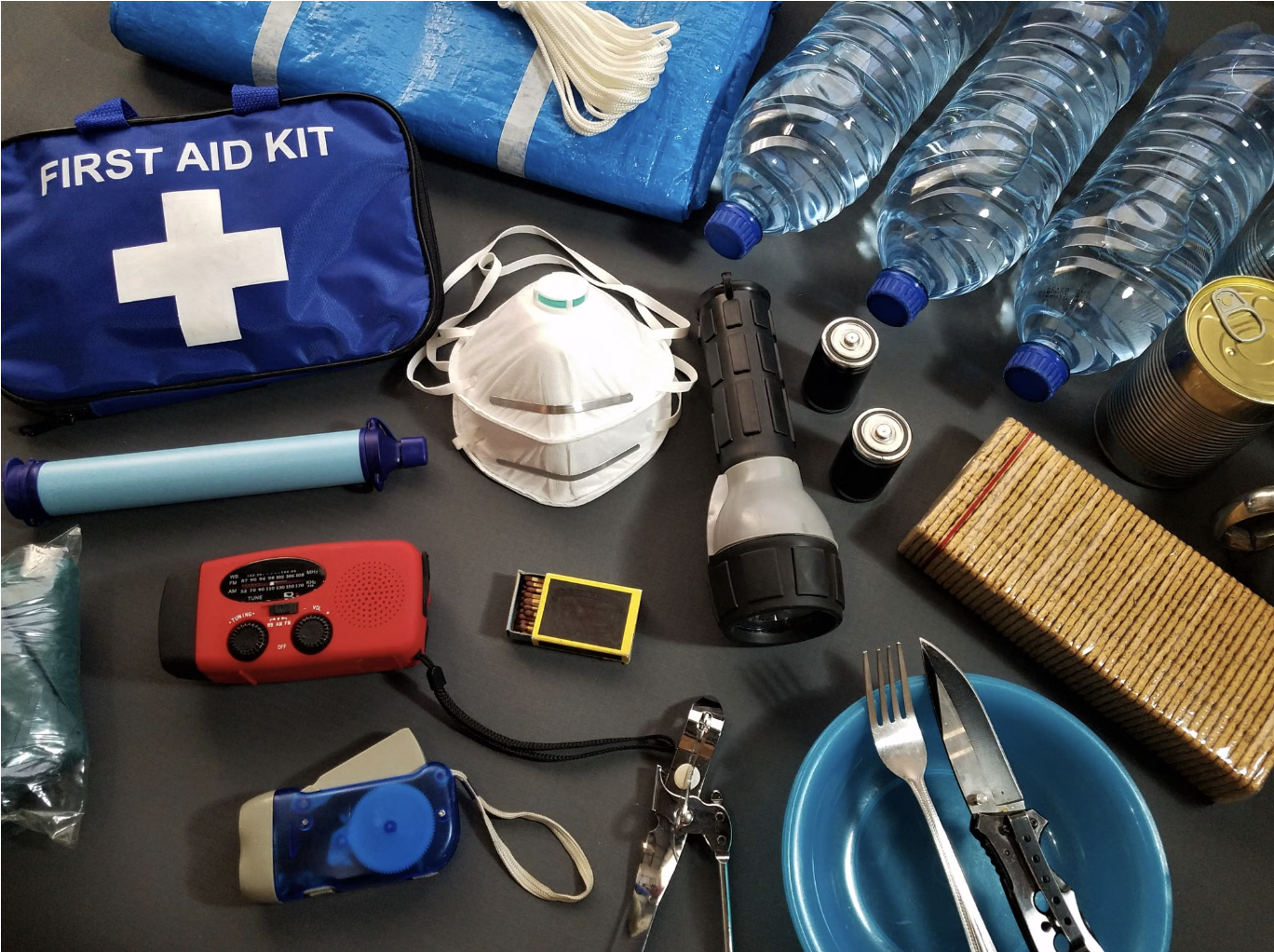
Keep basic supplies in a place that is easy to access. Your kit should include:

  • Bottled water and several days of nonperishable food
  • Flashlights and extra batteries
  • A battery-powered or hand-crank radio
  • First-aid supplies
  • Necessary medications and medical supplies
  • Phone chargers and backup power banks
  • Blankets and warm clothing
  • Copies of important documents
  • Cash in small denominations
  • Basic tools and household supplies

Remember to check your supplies periodically and replace expired food, batteries and medications.

Have a Plan for Power Outages

Winter storms, high winds and equipment failures can leave homes without electricity for hours or even days. Know where your flashlights are, keep devices charged and have alternative ways to stay warm.

If you use a generator, never operate it inside a home, garage or other enclosed space. Generators must be kept outdoors and away from doors, windows and vents because of the risk of deadly carbon monoxide poisoning.

Know What to Do in a House Fire

Make sure everyone in your household knows two ways to get out of every bedroom and where to meet outside.

Test smoke and carbon monoxide alarms regularly and replace batteries as recommended. If a fire occurs, get outside and stay outside. Do not go back inside for pets or belongings.

Prepare for Severe Weather

Severe thunderstorms, high winds, flooding and winter storms can develop quickly. Keep an eye on weather alerts and know where you would go in your home if you need to shelter.

During a severe storm, bring outdoor furniture and other loose objects inside when possible. Avoid driving through flooded roads — even a relatively small amount of moving water can be dangerous.

Be Ready for a Medical Emergency

Keep a well-stocked first-aid kit at home and learn basic first aid and CPR if you can.

Make sure family members know where important medications are located and have a list of medications, allergies and emergency contacts readily available. For a life-threatening emergency, call 911.

Make a Family Communication Plan

If an emergency separates family members, everyone should know how to reconnect.

Choose an emergency contact outside your immediate area and establish a meeting place. Make sure children know their full name, address and how to call 911.

Don’t Forget Your Pets

Pets need an emergency plan, too. Keep food, water, medications, leashes, carriers and copies of veterinary records with your emergency supplies. Identify pet-friendly shelters or hotels before an emergency occurs.

A Few Minutes of Preparation Can Save Precious Time

You do not have to prepare everything at once. Start with a basic emergency kit, make a family communication plan and learn what emergencies are most likely in your area.

The goal isn’t to expect the worst. It’s to be ready so that, when an emergency does happen, you can focus on keeping yourself and your loved ones safe.

Continue Reading

Trending