Pumpkins, chrysanthemums, cornstalks and hay bales are familiar signs of autumn, but homeowners looking to add more seasonal color to their landscapes have plenty of options beyond traditional fall decorations.
For residents across the Hudson Valley, Rockland County and Bergen County, a variety of flowers, ornamental grasses and colorful foliage plants can bring fresh interest to gardens and containers as summer fades and temperatures begin to drop.
Down to Earth Living in Pomona recommends several plants that can help homeowners extend the color and texture of their outdoor spaces well into the fall season.
Flowers and Foliage for the Fall Season
Ornamental peppers offer a burst of color, producing decorative fruits in shades of red, orange, yellow and purple. Their vibrant appearance makes them a popular choice for fall containers and garden beds.
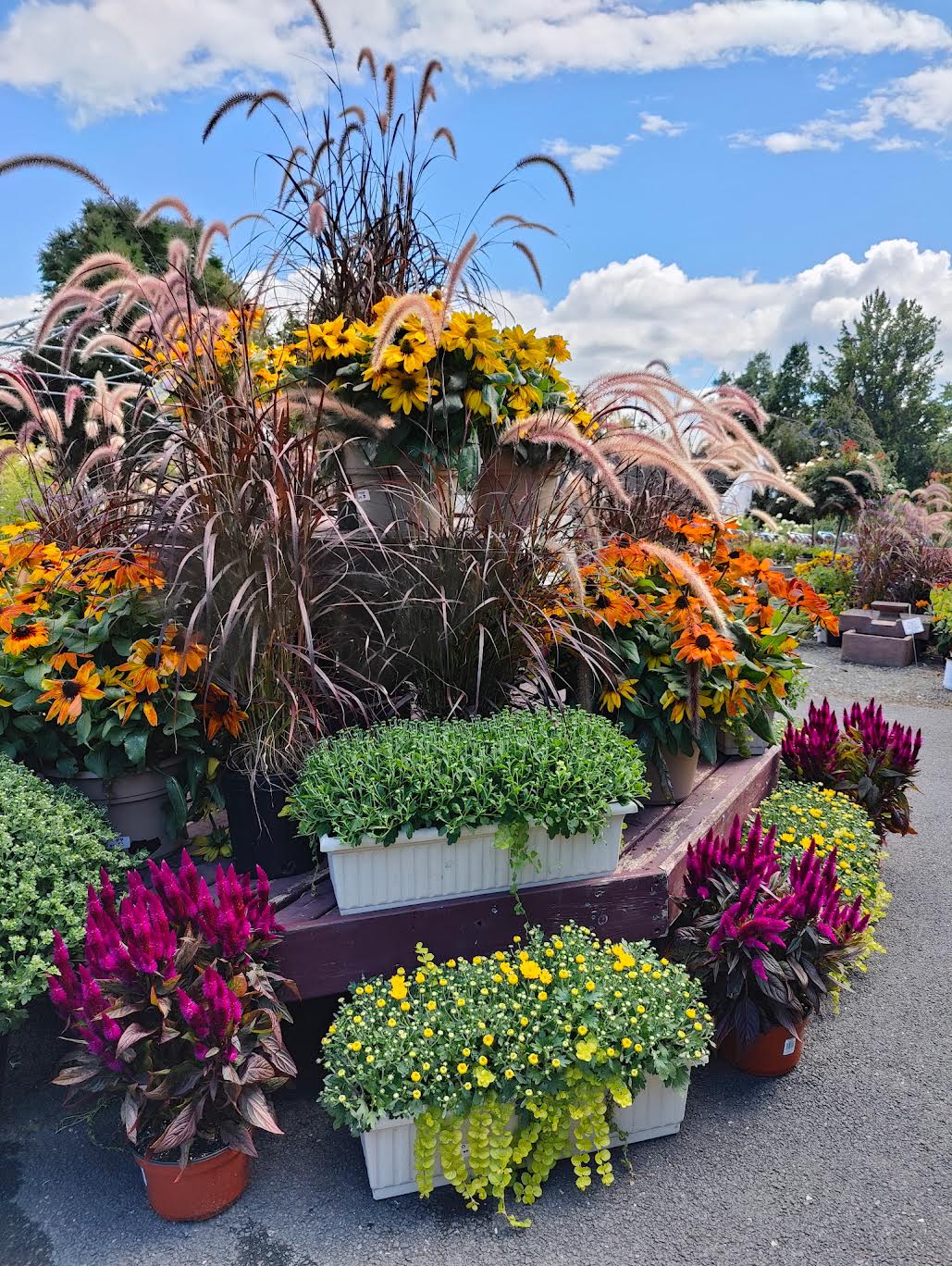
Ornamental millet adds height and texture, with upright growth and distinctive flower heads that provide visual interest in seasonal plantings.
For homeowners seeking colorful blooms, pansies and violas are well-suited to cooler weather and can continue flowering as temperatures decline.
Hardy chrysanthemums remain a fall favorite, offering a variety of colors and flower shapes. With appropriate planting and care, some varieties can return in subsequent years.
Ornamental cabbage and kale provide another option for seasonal displays. Grown primarily for their foliage, these cool-weather plants feature shades of green, purple, pink and white that complement traditional autumn decorations.
Perennials and Grasses Extend Seasonal Interest
Several perennials and ornamental grasses can add color and structure to the fall landscape.
Hardy asters produce daisy-like flowers in shades of purple, pink, blue and white. Their late-season blooms also provide a food source for pollinators.
Sedums, including the popular ‘Autumn Joy’ variety, develop deeper pink, red and russet tones as the season progresses, adding color and texture to garden beds.
Ornamental grasses, such as switchgrass and little bluestem, bring height and movement to the landscape. Their seedheads and changing seasonal colors can help maintain visual interest as other plants begin to fade.
Colorful Foliage Offers Another Option
Flowers are not the only way to brighten a fall garden. Plants with distinctive foliage can provide contrast and color throughout the season.
Heucheras are available in a wide range of leaf colors and patterns, making them versatile choices for garden beds and containers. Coleus offers similarly varied foliage, with numerous patterns and shades that work particularly well in container arrangements.
Purple-leaf basil combines dark ornamental foliage with culinary uses, while Swiss chard adds vibrant stems and attractive leaves to both edible and ornamental gardens.
Making the Most of Fall Planting
“Fall offers plenty of opportunities to add color to your garden,” said Stuart Leventhal, owner of Down to Earth Living. “Pansies, asters, ornamental cabbage and kale, and other fall plants can bring new color and interest to the landscape as summer flowers fade.”
With a wide range of seasonal plants available, homeowners can refresh their gardens, window boxes and outdoor containers with new colors, textures and shapes.
By combining flowering plants, colorful foliage and ornamental grasses, gardeners can create displays that celebrate autumn while keeping outdoor spaces visually appealing through the cooler months.
For homeowners in Rockland County, Bergen County and the Hudson Valley, fall offers an opportunity to look beyond traditional mums and discover new ways to keep their landscapes vibrant throughout the season.